
Last updated September 22, 2026
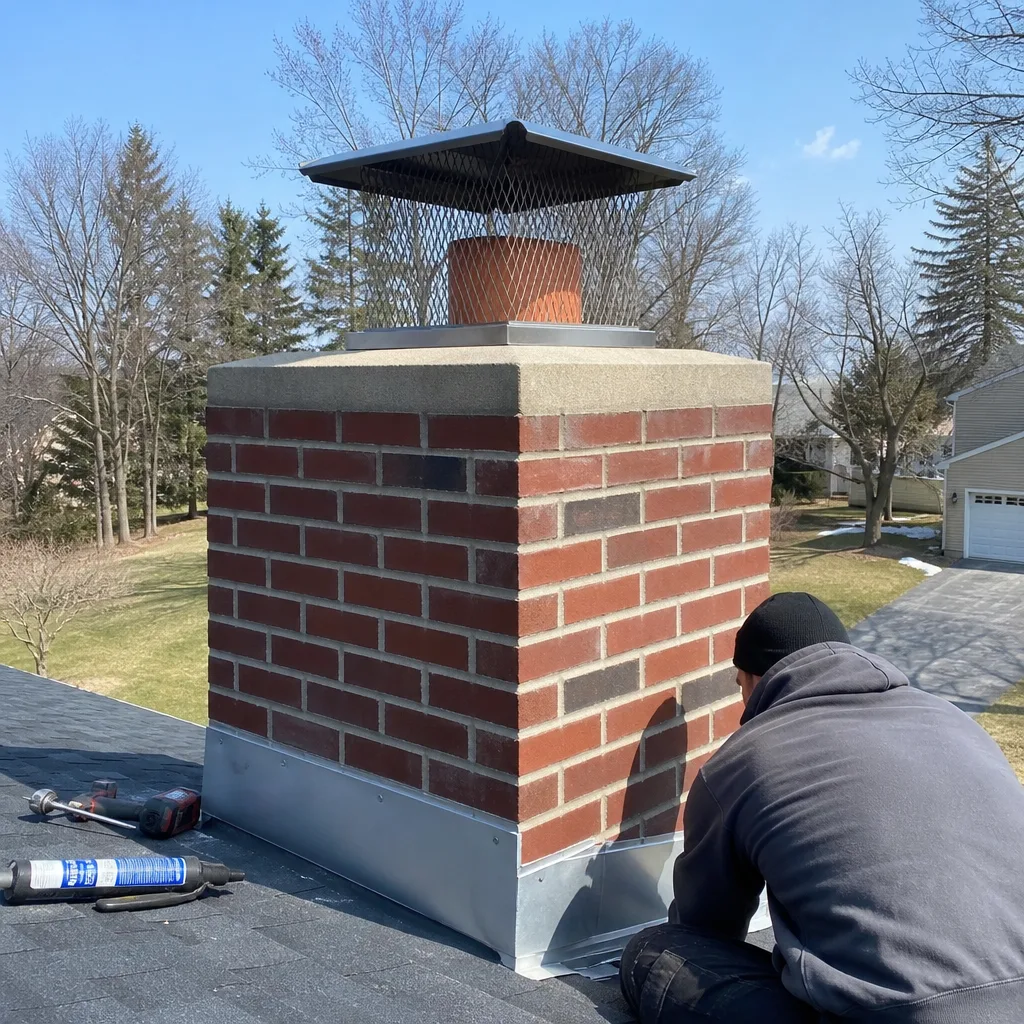
Level 1 sweep and inspection to the NFPA 211 annual standard - flue, crown, cap, and flashing checked and photographed
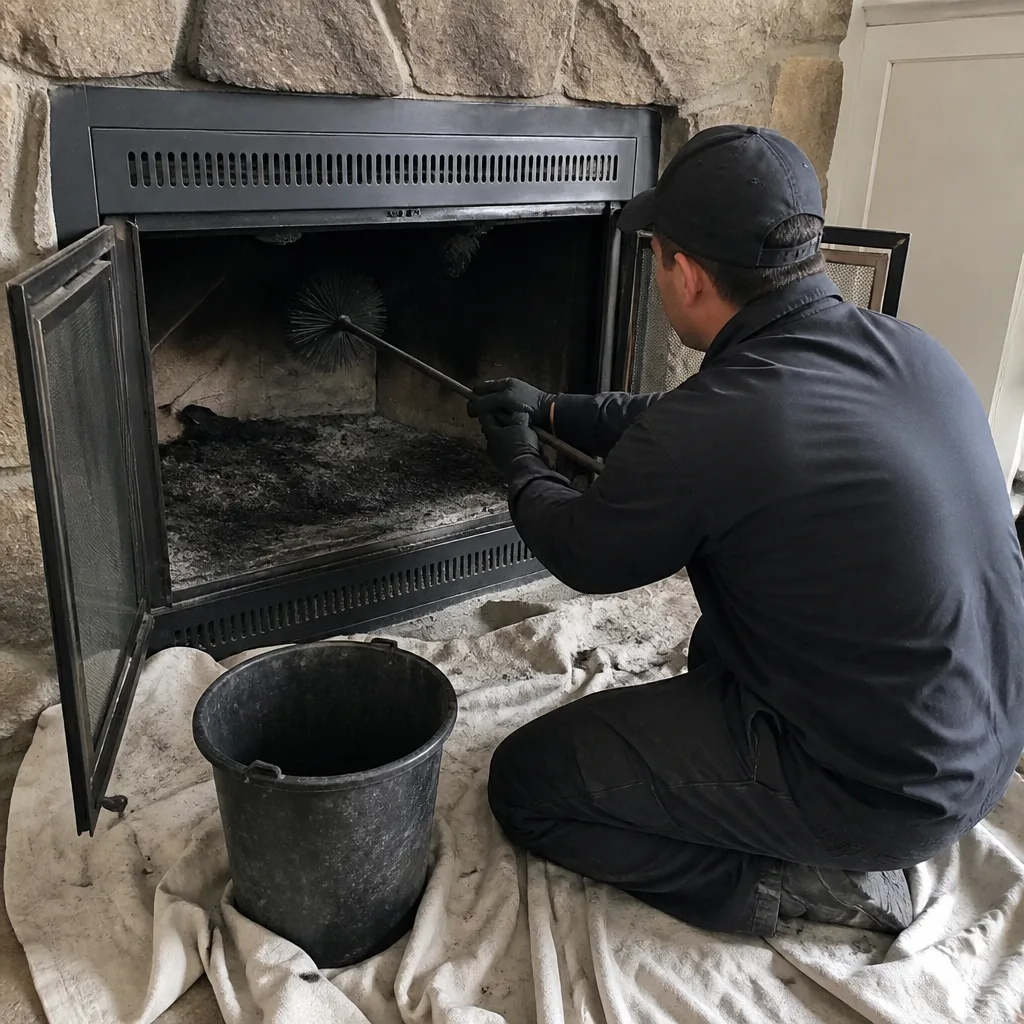
Chimney sweep logs do not sweep chimneys. They loosen some creosote - which then falls where a brush and vacuum still have to collect it.
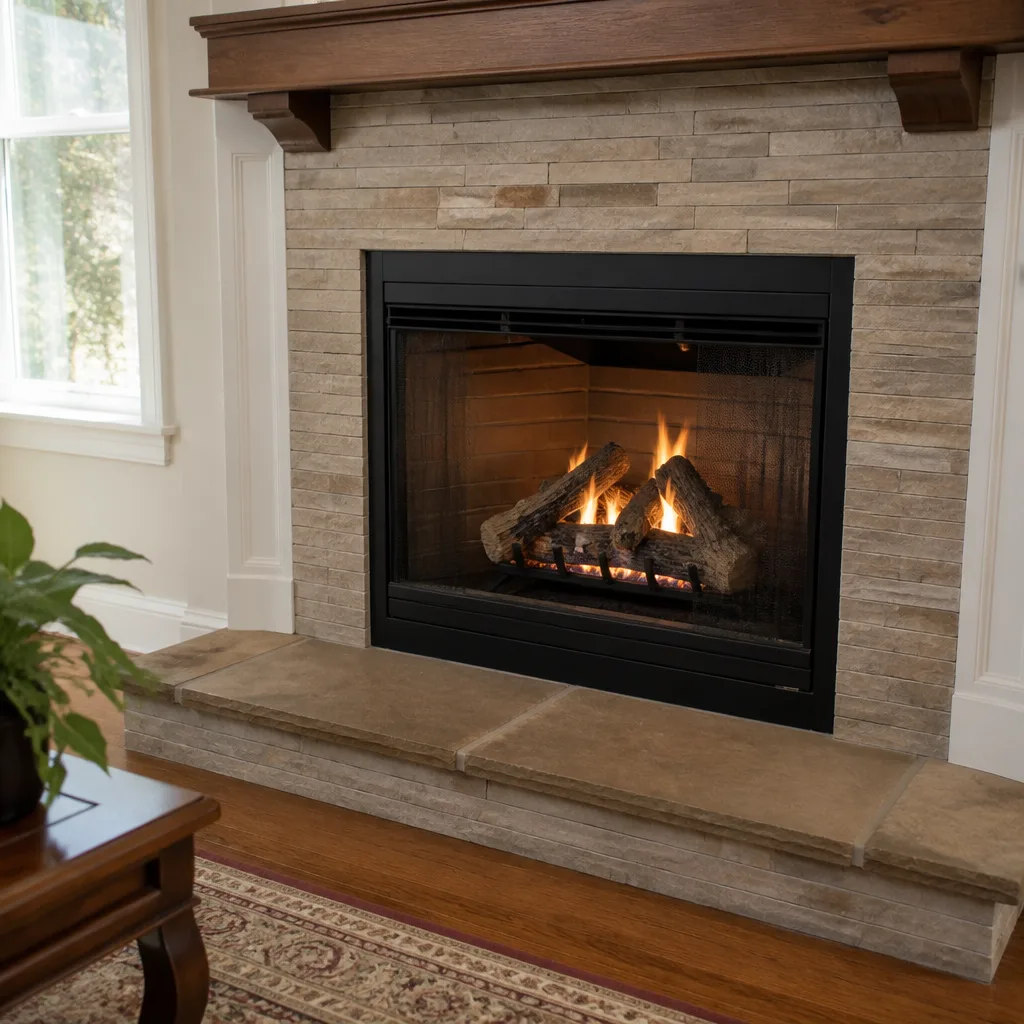
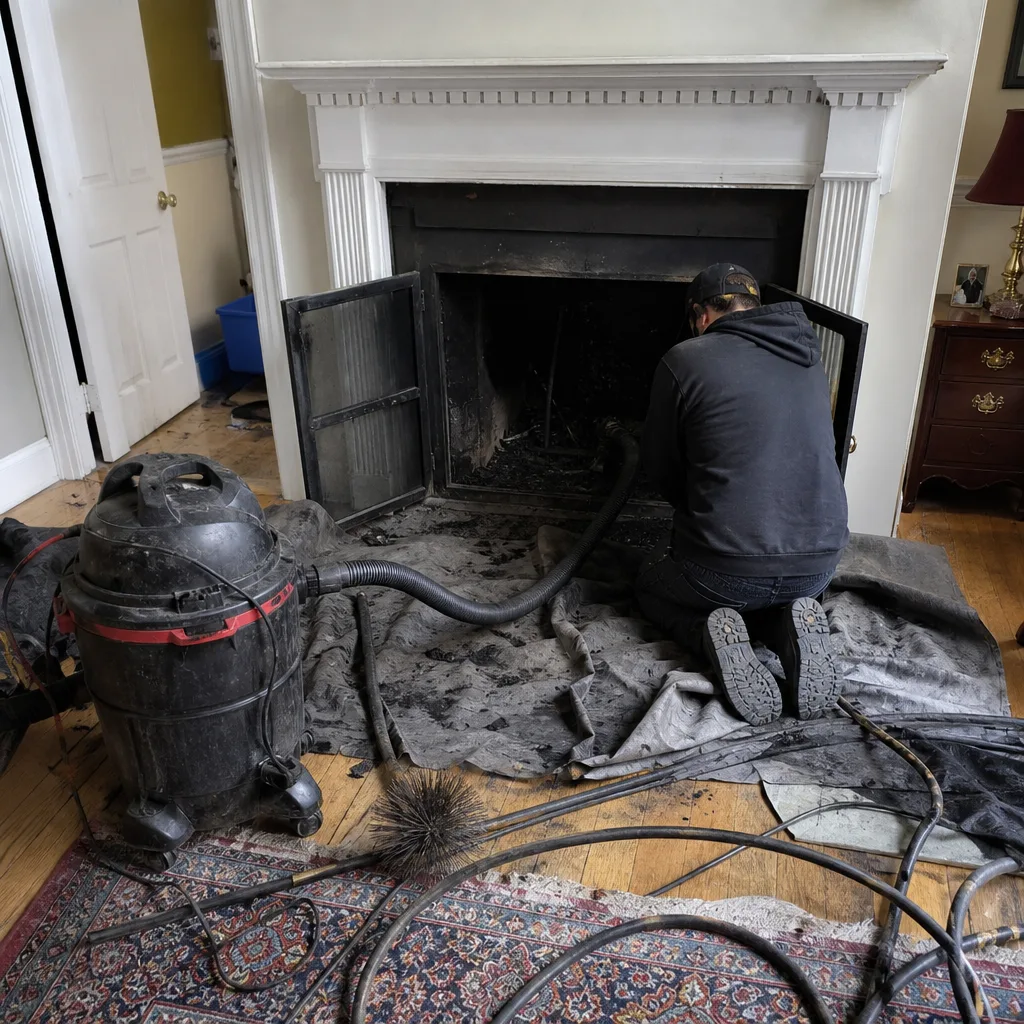 Before
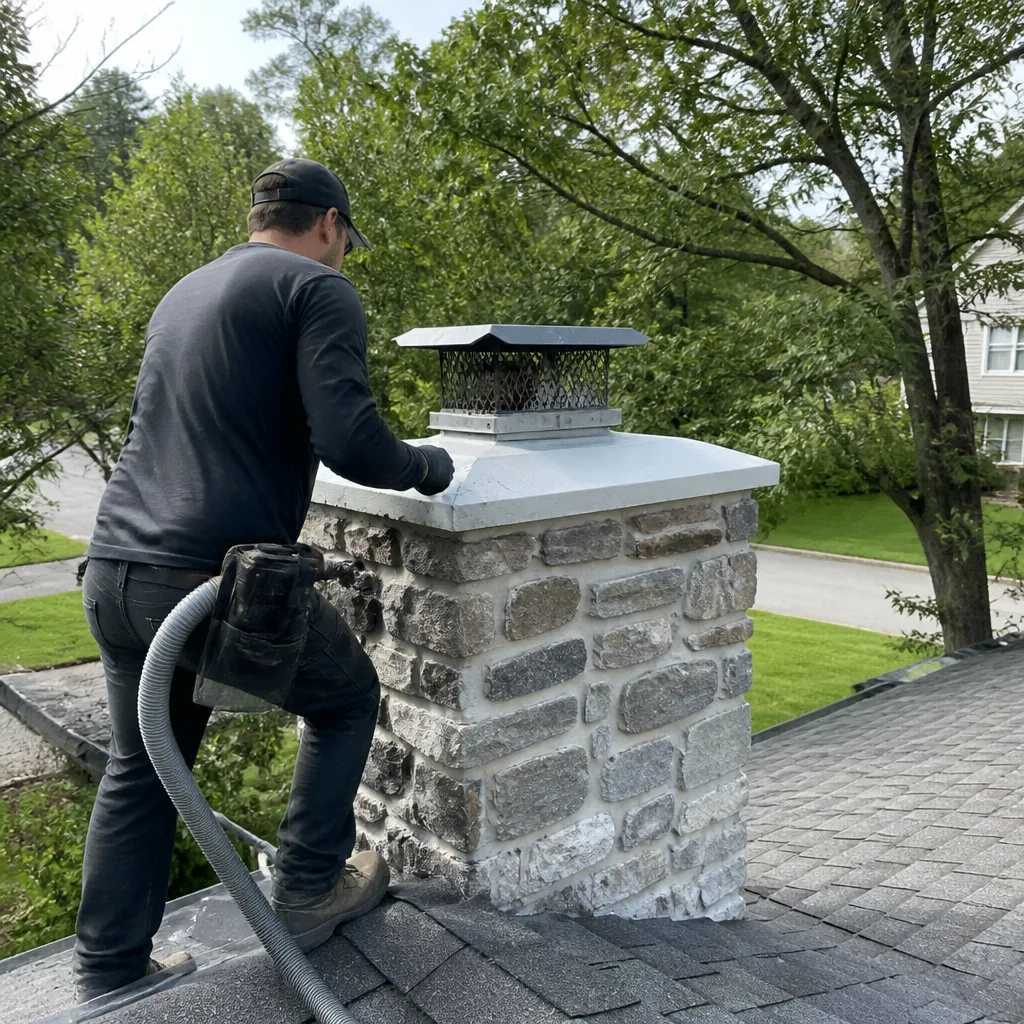 After
After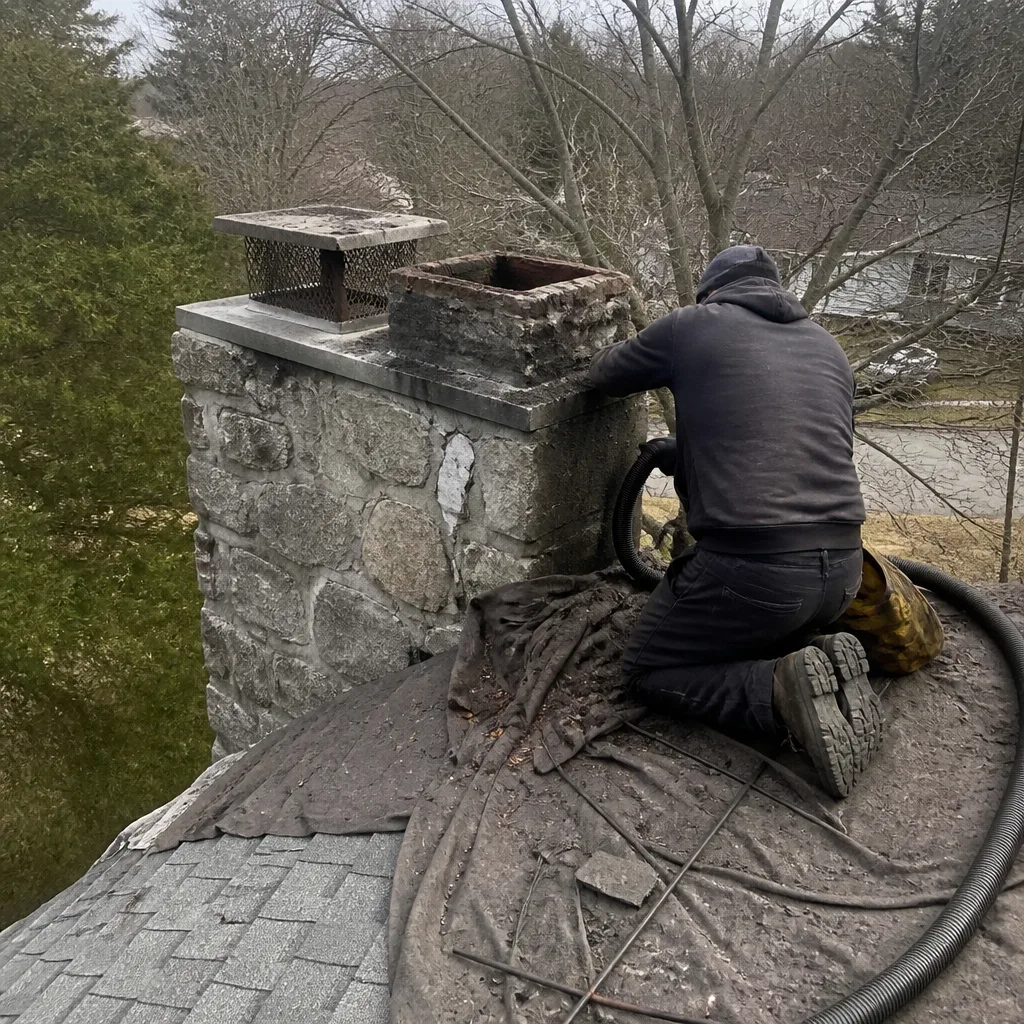 Before
 After
AfterChimney Cleaning Warning Signs: A Chesterbrook Homeowner’s Reference Guide
Most chimney warning sign guides list symptoms without telling you which ones are immediate fire risks and which are slow-developing maintenance items. Getting that distinction wrong in either direction is costly. In Chesterbrook, where we inspect chimneys in neighborhoods from The Reserve at Chesterbrook to the original planned community homes near Wilson Farm Park, we’ve found that a strong smoke smell in a room where no fire is burning isn’t a minor odor problem. It’s a negative-pressure diagnostic that suggests your chimney is pulling combustion gases back into the living space, a condition that precedes carbon monoxide events. This guide sorts every warning sign into three urgency tiers, shows you what our camera typically finds behind each symptom, and teaches you how to describe what you’re seeing so the technician knows exactly where to look. For The Complete Guide to Chimney Cleaning in Chesterbrook with deeper maintenance protocols, see our companion resource.
Quick Answer
The warning signs that demand immediate action are smoke or carbon monoxide detectors activating, visible flames or sparks outside the firebox, and a strong smoke odor when no fire is burning. Schedule within 30 days for draft problems, exterior staining, or debris falling into the firebox. Monitor annually for minor exterior brick deterioration, slight rust on the damper, or hairline crown cracks. Every sign correlates with specific camera findings, and describing it accurately to your sweep determines whether the inspection targets the flue liner, smoke chamber, or exterior masonry. If you’re weighing whether to handle symptoms yourself, our DIY vs Professional Chimney Cleaning: The Chesterbrook Homeowner’s Decision Guide covers the safety boundaries.
Table of Contents
- The Three-Tier Urgency System: Stop, Schedule, or Monitor
- Tier 1: Stop Using Immediately
- Tier 2: Schedule Within 30 Days
- Tier 3: Note and Monitor
- Gas Inserts vs. Wood-Burning Fireplaces: Different Warning Signs
- Exterior Warning Signs You Can Check From Ground Level in Chesterbrook
- How to Describe a Warning Sign So the Camera Goes to the Right Place
- Common Mistakes to Avoid
- When to Call a Professional
- Frequently Asked Questions
- The Bottom Line
 Before
 After
AfterThe Three-Tier Urgency System: Stop, Schedule, or Monitor
Not every warning sign carries the same risk. We’ve developed this three-tier system over 38,000 inspections because homeowners deserve to know whether they’re facing a weekend emergency or a fall maintenance item. The tier determines your next action, not your long-term concern.
Tier 1: Stop Using Immediately means extinguish any active fire, do not start another, and call for inspection before the next burn. These signs indicate active hazards that can escalate to structure fire or carbon monoxide poisoning within a single use.
Tier 2: Schedule Within 30 Days means the system is compromised but not immediately dangerous under normal conditions. You can finish the current season with reduced use if necessary, but don’t head into the next burning season without inspection.
Tier 3: Note and Monitor means document what you see, check again in six months, and mention it at your next scheduled sweep. These are early indicators that help us track deterioration rates and catch problems before they become Tier 2.
The camera findings behind each tier are predictable. Tier 1 symptoms almost always reveal liner breaches, blockages, or combustion gas leaks. Tier 2 correlates with partial obstructions, deteriorating mortar joints, or damaged components that still function. Tier 3 shows surface conditions, early weathering, or minor hardware fatigue. This predictability is why your description matters, and why we ask specific questions when you call.
Chesterbrook’s climate accelerates certain conditions. Our freeze-thaw cycles, particularly the wet winters followed by rapid temperature drops common in Chester County, stress exterior masonry more aggressively than inland Pennsylvania markets. Homes near the valley drainage areas off Swedesford Road see more moisture intrusion than elevated properties near Valley Forge Mountain. We factor this into our camera routing and our written reports.
Tier 1: Stop Using Immediately
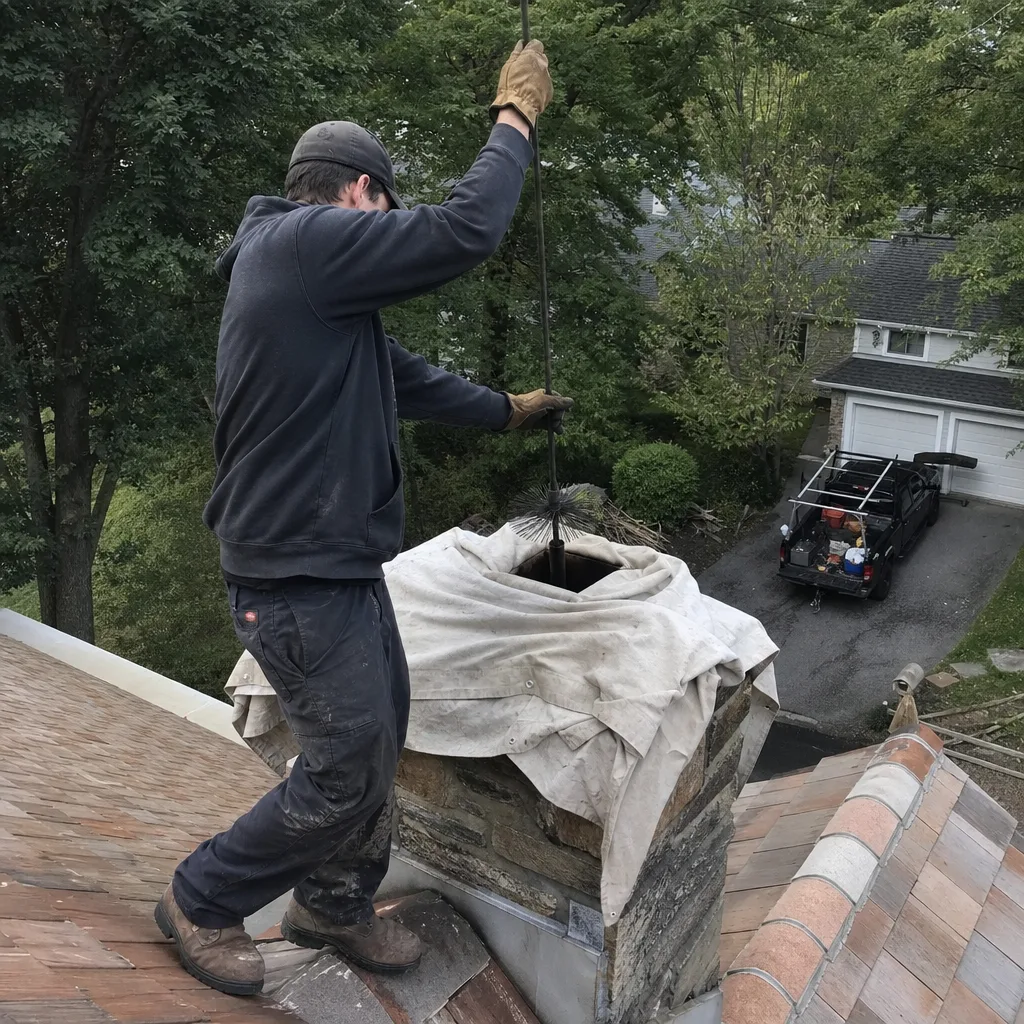
These four signs require extinguishing any active fire and scheduling inspection before the next burn. Do not attempt to “burn through” the problem.
Smoke or Carbon Monoxide Detector Activation
If a detector sounds during fireplace operation, treat it as a system failure until proven otherwise. In our Chesterbrook inspections, detector activation during a fire most commonly correlates with one of three camera findings: a blocked flue liner from collapsed masonry or animal nesting, a cracked or separated flue liner allowing combustion gases into wall cavities, or negative pressure in the home pulling exhaust back through the firebox.
The camera shows us which. A blockage appears as a solid or partial obstruction, often with irregular edges that distinguish masonry debris from the smooth, layered construction of a nest. A liner breach shows as a visible crack with staining patterns that track gas movement. Negative pressure is a building science problem, not a chimney defect, but it’s deadly regardless. We document it with draft pressure readings and recommend solutions that may involve makeup air systems or HVAC balancing, not chimney repair.
Carbon monoxide detectors are particularly critical with gas inserts. Odorless and colorless, CO doesn’t produce visible smoke. If your CO detector activates near the fireplace, stop using it immediately. Gas inserts can develop heat exchanger cracks that leak combustion gases while appearing to function normally. Our camera inspection targets the firebox and heat exchanger welds specifically.
Visible Flames or Sparks Outside the Firebox
Flames visible in the smoke chamber, sparks exiting the chimney top, or any fire outside the intended combustion zone indicate an active chimney fire or liner failure. Chimney fires burn at temperatures exceeding 2,000 degrees Fahrenheit and can crack clay flue liners within minutes. Sparks exiting the top suggest a spark arrestor failure or cap absence combined with excessive creosote buildup.
On camera, we look for thermal damage patterns: crazed or spalled liner surfaces, warped metal components, and heat-discolored mortar. These findings determine whether the liner requires repair, replacement, or whether the entire chimney structure needs evaluation. Chimney Repair in Chesterbrook addresses these scenarios with documented photo records under Haven Standard Clause 4.
Strong Smoke Odor When No Fire Is Burning
This is our opening diagnostic for a reason. A smoke odor without active combustion indicates that creosote deposits are off-gassing at ambient temperature, or that exhaust gases are migrating back into the home through pressure differentials. Both conditions warrant immediate inspection.
Camera findings vary by season. In humid Chesterbrook summers, we’ve found that Class III glazed creosote, the hardened, tar-like deposit that forms from slow, smoldering fires, releases volatile compounds when humidity rises. The odor is the warning before the ignition risk. In winter, the same odor with a cold fireplace suggests negative pressure pulling downdraft through the flue. We measure draft pressure and inspect the liner for blockages that would force exhaust backward.
Chunks of Debris or Soot Falling Into the Firebox
Material falling from above the damper indicates structural deterioration in the smoke chamber or flue. Clay flue tiles can spall, mortar can loosen, and in prefabricated metal chimneys, the inner wall can corrode. The debris is physical evidence of a breach in the containment system.
Camera inspection identifies the source point by matching debris composition to location. Clay fragments indicate flue tile failure. Granular mortar suggests smoke chamber deterioration. Rust flakes point to metal chimney corrosion. Each finding carries different repair implications, and each requires us to evaluate whether the chimney is safe for continued use.
Tier 2: Schedule Within 30 Days
These signs indicate compromised function that won’t necessarily fail catastrophically tomorrow, but will deteriorate with continued use. Schedule inspection within 30 days, reduce fireplace use until then, and never leave a fire unattended.
Draft Problems: Smoke Entering the Room or Difficulty Starting Fires
Persistent smoke rollout when opening the firebox door, or fires that struggle to establish upward draft, suggest multiple possible conditions. The flue may be partially obstructed by creosote buildup or debris. The damper may be damaged or improperly seated. The chimney height may be insufficient for the building’s wind exposure. Or the home’s air balance may have changed with new HVAC equipment, exhaust fans, or tightened building envelope.
Our camera inspection follows a diagnostic sequence. We scan the flue for obstruction percentage and creosote class. We inspect the damper assembly for corrosion, warping, or debris interference. We evaluate the smoke chamber for proper parging, the smooth mortar surface that directs flow into the flue. In Chesterbrook’s older homes, particularly the 1970s and 1980s construction near the original village center, we’ve found smoke chambers left unparged or roughly finished, creating turbulence that kills draft at low fire temperatures.
We document draft performance with digital manometer readings before and after any cleaning or repair. You receive the numbers in your written report, with context for what they mean.
Exterior Staining: White, Brown, or Black Discoloration on the Chimney Face
Staining patterns are diagnostic. White, powdery deposits, called efflorescence, indicate water moving through masonry and depositing salts as it evaporates. Brown or yellow staining suggests rust from metal components, typically the flue liner or chimney cap. Black staining near the top indicates creosote or soot leakage through a cracked crown or damaged cap.
Each pattern tells us where to point the camera. Efflorescence on the chimney face directs us to evaluate crown integrity and flashing performance, then scan the flue for water damage to liner joints. Rust staining sends us to inspect metal components for corrosion that may have compromised wall thickness. Black staining at the top means we examine the crown for cracks that allow exhaust escape and water intrusion simultaneously.
Chesterbrook’s combination of precipitation and freeze-thaw makes exterior staining particularly informative. We’ve tracked accelerated deterioration in homes where gutters overflow onto chimney shoulders, a common condition in the wooded lots near Valley Creek. The water source is as important as the stain pattern.
Animals or Animal Sounds in the Chimney
Birds, squirrels, raccoons, and chimney swifts enter through damaged caps, open flues, or deteriorated crown gaps. Animal presence indicates a breach in the chimney’s protective top, and nesting material creates immediate fire and blockage hazards.
We remove animals humanely when possible, then camera-inspect for damage caused by entry and nesting. Claws and teeth can damage metal caps and clay flue edges. Nesting material, particularly the dense, twig-and-leaf construction of squirrel dreys, can partially obstruct the flue and provide ready fuel for chimney fires. We document the cap condition and recommend appropriate screening, often specifying Gelco or Famco components based on the chimney configuration and local wildlife patterns.
Damper That Won’t Open, Close, or Seal Properly
A damper that doesn’t seat fully in either position compromises both safety and efficiency. Open, it allows conditioned air escape and downdraft entry. Closed, it may not seal sufficiently to stop smoke migration when a fire is lit. Rust, warping, debris accumulation, or failed hardware are typical causes.
Camera inspection evaluates the damper frame and seating surface for damage that prevents proper closure. We also check the smoke chamber above for debris that may interfere with damper operation. In some Chesterbrook homes with original throat dampers, we’ve found that decades of heat cycling have distorted the frame beyond repair, and we recommend top-sealing damper replacement as a more effective solution.
Tier 3: Note and Monitor
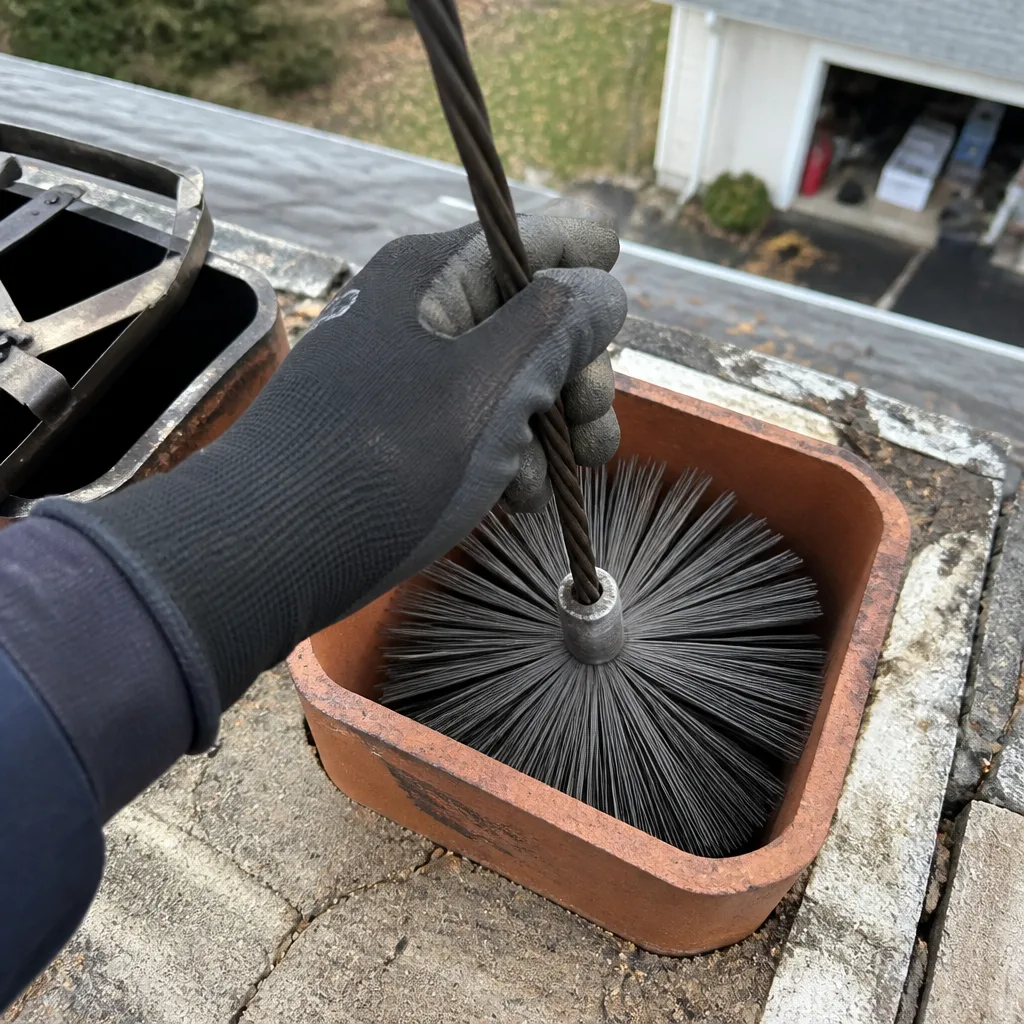
These conditions are not immediate hazards but indicate trends worth tracking. Document with photos, note the date, and mention at your next scheduled sweep.
Minor Exterior Brick Deterioration
Small chips, surface flaking, or slight mortar erosion on exterior brick are normal weathering in Chesterbrook’s climate. Spalling, where brick faces detach in layers, is more serious and may indicate freeze-thaw damage from water saturation. Distinguish between the two: surface roughness without material loss is Tier 3; visible layer separation or brick face loss is Tier 2.
We track spalling progression through annual photo comparison, part of our documented record under Haven Standard Clause 4. When spalling exceeds 1/4 inch depth or affects multiple bricks, we recommend tuckpointing or brick replacement before structural integrity is compromised.
Slight Rust on Damper or Firebox Components
Surface rust without pitting or material loss indicates humidity exposure, not active corrosion. Note the location and extent. Rust that flakes, pits metal surfaces, or causes binding in moving parts has progressed to Tier 2. The camera helps us distinguish surface oxidation from structural corrosion in metal fireboxes and prefabricated chimney systems.
Hairline Crown Cracks Without Separation
Concrete crowns develop shrinkage cracks as they cure and age. Hairline cracks that don’t show separation or displacement are common and may remain stable for years. Cracks wider than 1/8 inch, cracks with vertical displacement, or cracks that extend to the crown edge are Tier 2, as they allow water penetration that accelerates all other deterioration.
We seal monitor-grade cracks with flexible crown sealant and photograph for annual comparison. Progressive cracking triggers crown repair or replacement recommendation.
Minor Soot Accumulation on Firebox Walls
Some soot staining is normal with wood-burning fireplaces. Excessive accumulation, or staining patterns that concentrate on one side, indicate draft imbalance or fuel quality issues. Note the pattern and mention it at your next sweep. We evaluate soot distribution during camera inspection to identify combustion problems before they become hazardous buildup.
Gas Inserts vs. Wood-Burning Fireplaces: Different Warning Signs
Gas and wood systems fail differently, and the warning signs reflect those differences. Understanding which system you have and what to watch for prevents dangerous misinterpretation.
Wood-Burning Warning Signs
Wood systems produce visible byproducts: creosote, soot, ash, and smoke. Their warning signs are often visible and olfactory. Key indicators include:
- Class III creosote, the hardened, shiny black deposit that requires mechanical removal, not brushing
- Smoke chamber staining that indicates incomplete combustion or poor draft
- Firebox brick spalling from excessive heat or moisture
- Damper corrosion from acidic condensate in low-temperature fires
The camera reveals creosote class and distribution, which determines cleaning method. Class I and II creosote, powdery or flaky deposits, respond to standard rotary sweeping. Class III glazed creosote requires specialized mechanical treatment, often with chemical pretreatment. We identify the class before quoting, so the written price reflects actual work required, not a generic sweep rate.
Gas Insert Warning Signs
Gas systems burn cleaner but introduce different risks. Their warning signs are often subtler and require specific attention:
- Soot on logs or firebox interior, which indicates incomplete combustion or venting problems, not normal operation
- Glass door condensation between panes, suggesting seal failure and potential CO leakage
- Delayed ignition or “popping” on startup, indicating burner or pilot assembly problems
- Unusual flame color: blue is correct; yellow or orange tips suggest combustion imbalance
- Odor of gas or burning dust, either of which warrants immediate inspection
Gas insert camera inspection focuses on the firebox, heat exchanger, and vent termination. We look for exchanger cracks, burner port obstruction, and vent connector deterioration. These components aren’t visible without disassembly and camera access, which is why annual inspection matters even when the fireplace appears to function normally.
Chesterbrook’s gas insert installations increased significantly in the 2015-2020 period, and we’re now seeing these systems reach the age where factory components require evaluation. Fireplace Services in Chesterbrook includes manufacturer-specific inspection protocols for major brands.
Exterior Warning Signs You Can Check From Ground Level in Chesterbrook
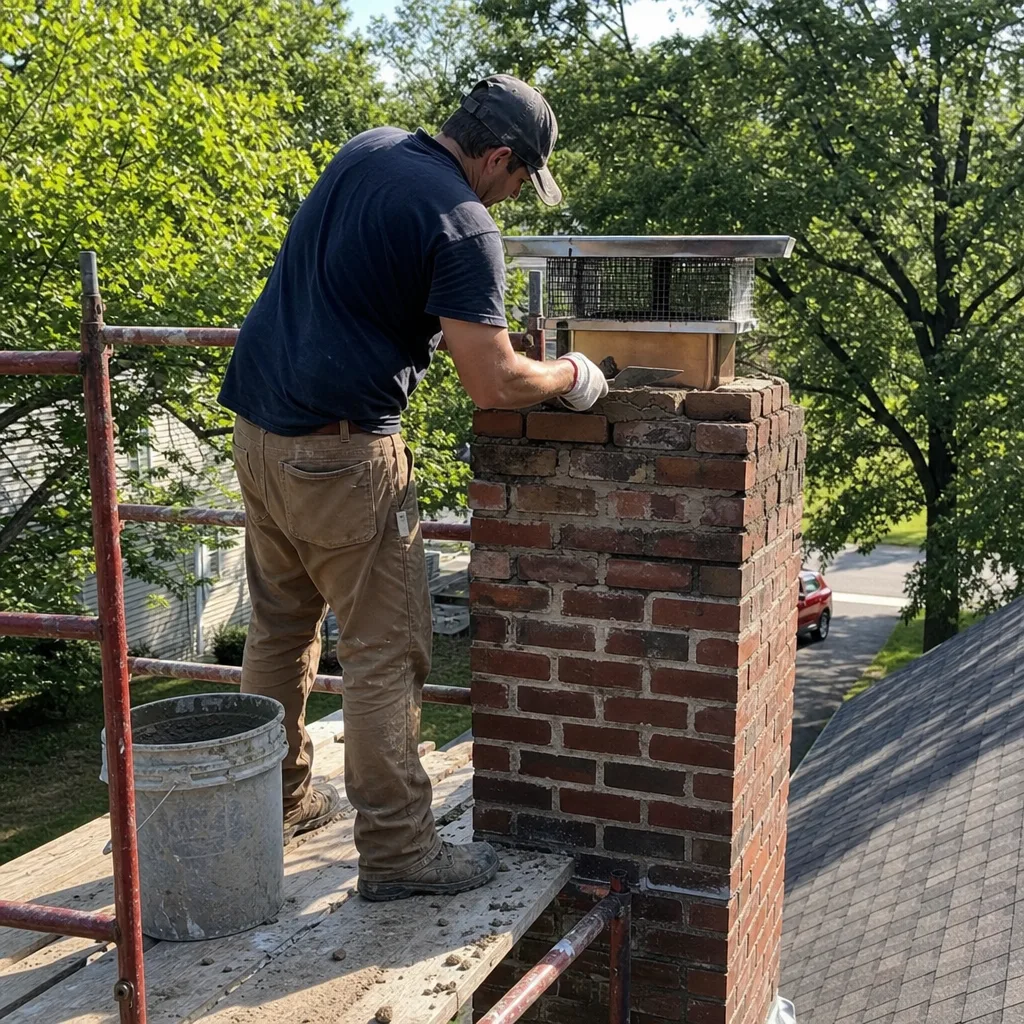
You don’t need a ladder or camera to perform meaningful preliminary observation. These checks take ten minutes and provide valuable information for your sweep.
- Efflorescence on brick or stone: White, crystalline deposits indicate water movement through masonry. Check the chimney face, particularly below the crown and at corners where water concentrates. Note whether the deposit is powdery (active) or has been washed away (intermittent). Active efflorescence in Chesterbrook’s wet seasons suggests ongoing water intrusion that will accelerate mortar deterioration.
- Spalling brick: Look for brick faces that have separated or flaked, exposing rough interior material. Check the chimney above the roofline where freeze-thaw is most severe. Spalling progresses from surface to structural; early identification determines whether repointing suffices or brick replacement is needed.
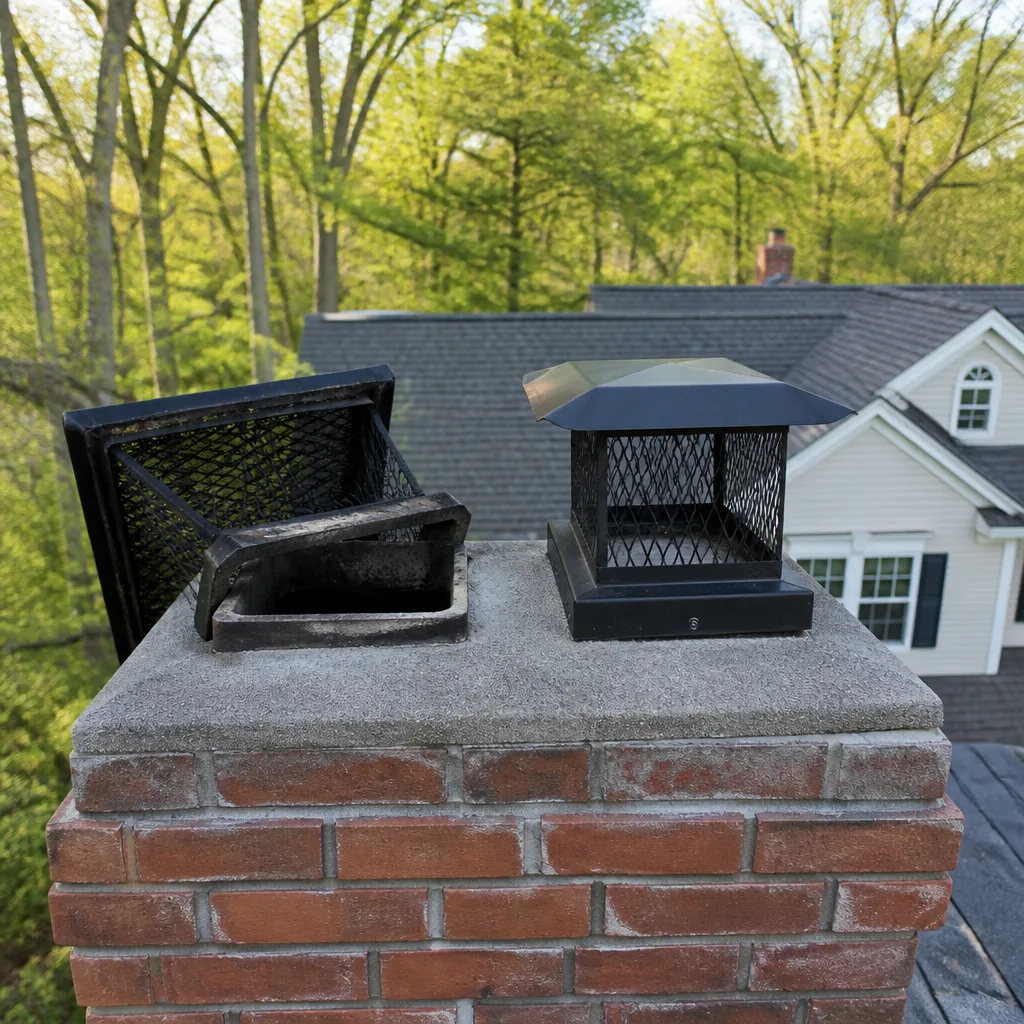
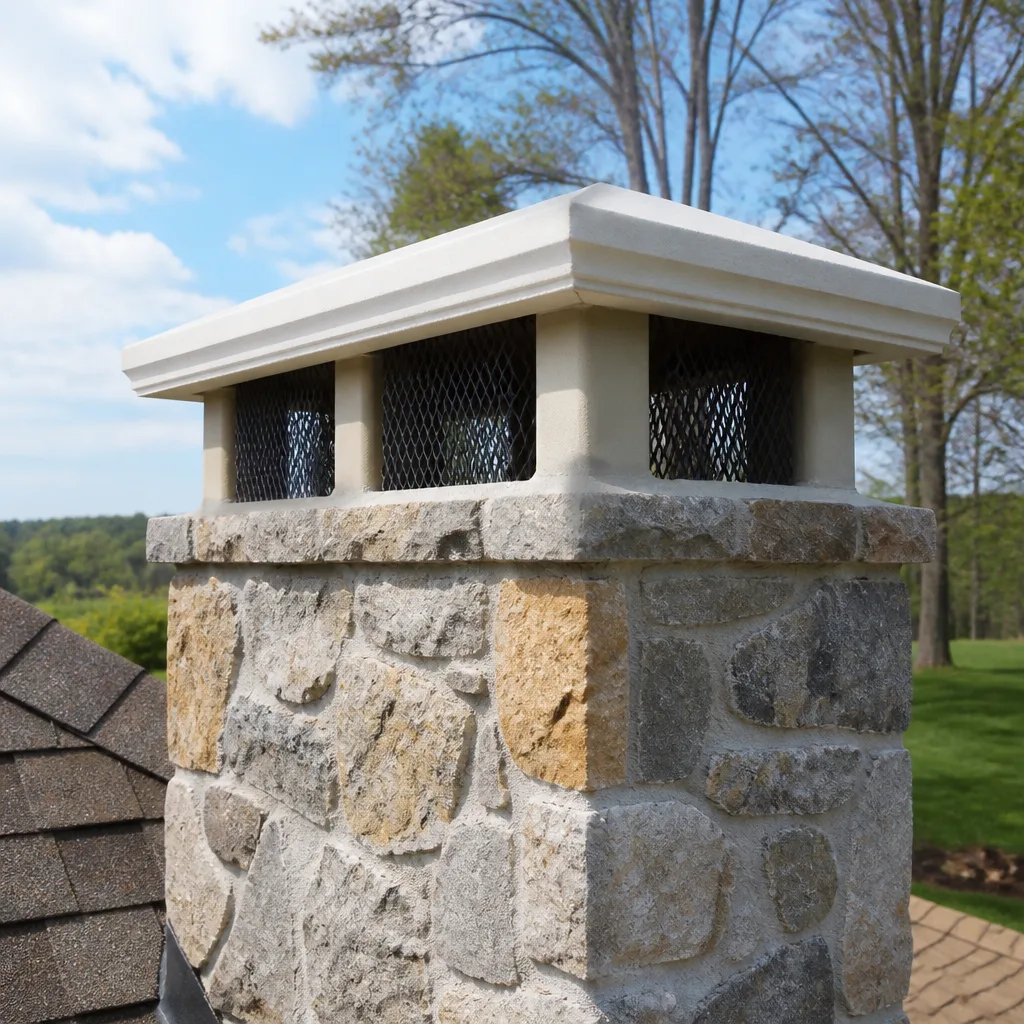
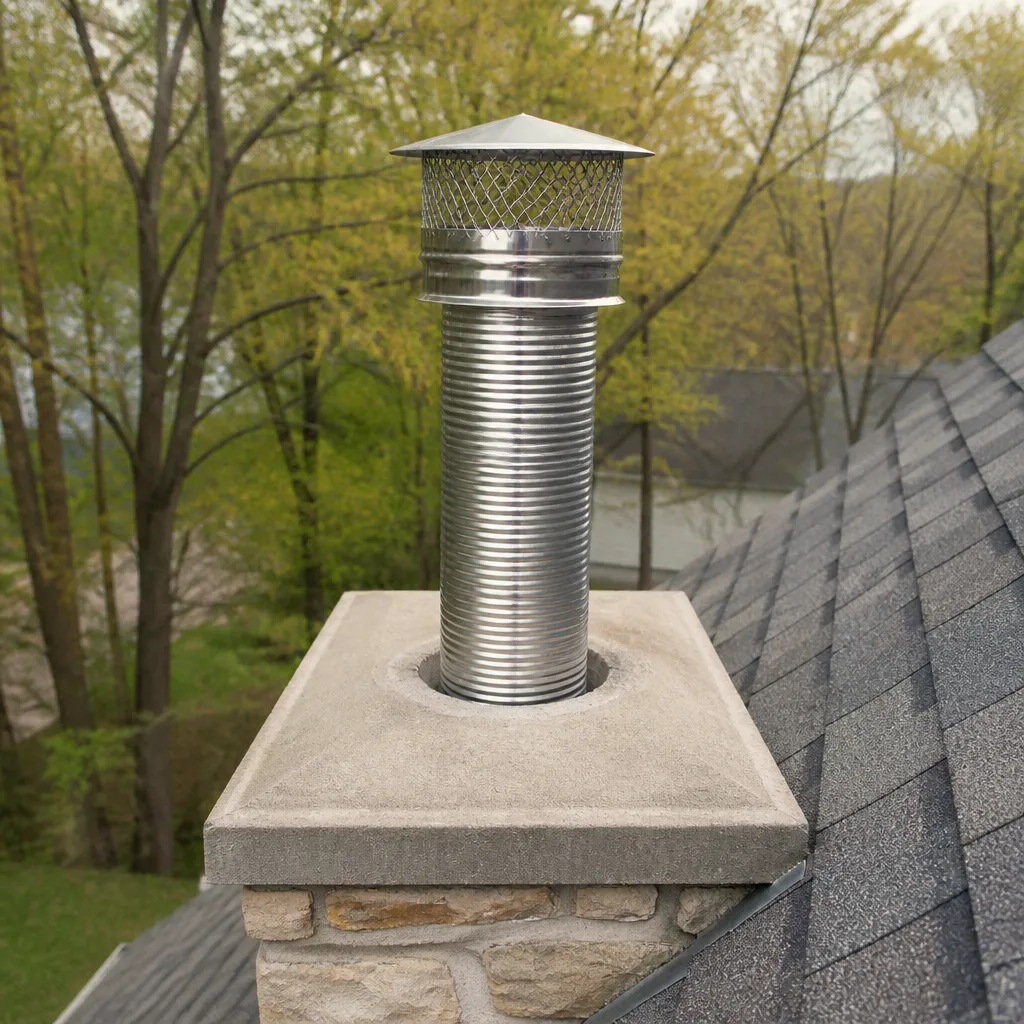
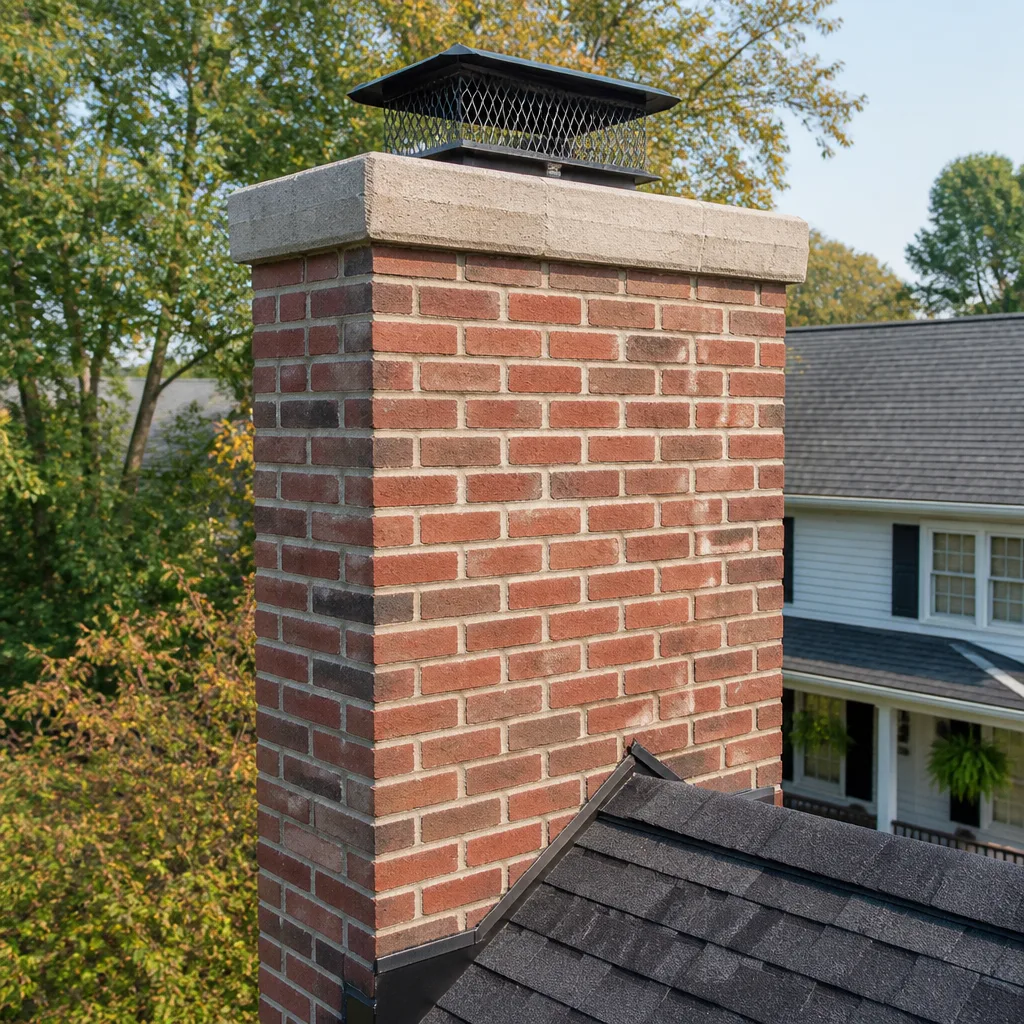
- Cap damage or absence: The cap should cover the flue opening with proper clearance and intact mesh screening. Missing caps are immediate entry points for water and animals. Damaged caps may appear intact from below while allowing water intrusion around the edges. Binoculars help; we also document cap condition during every inspection.
- Flashing separation: The metal flashing where chimney meets roof should lie flat against both surfaces with no visible gaps or lifted edges. Separation allows water into the roof structure and chimney base, causing damage that’s expensive to access and repair. From ground level, look for lifted edges, visible gaps, or staining on roofing below the chimney.
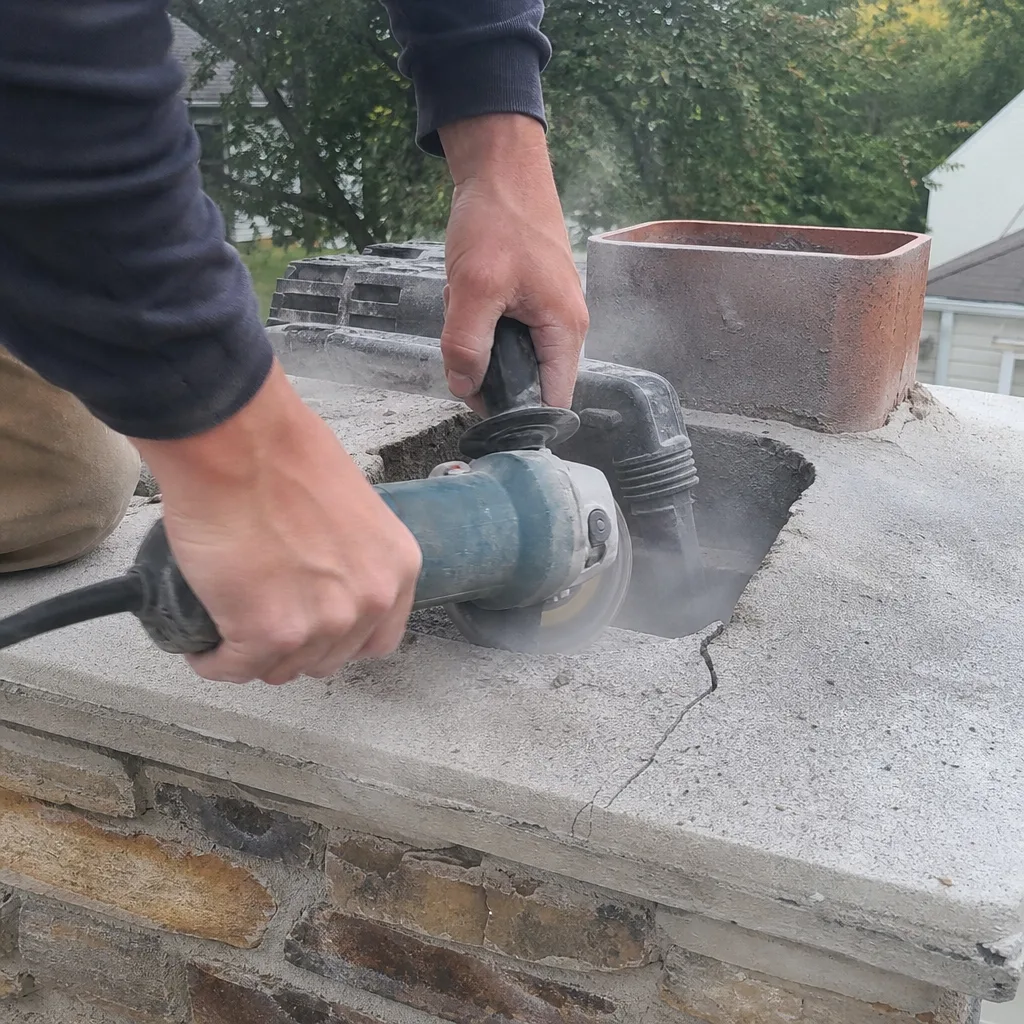
- Crown condition: The concrete slab topping masonry chimneys should slope away from the flue with no visible cracks or deterioration. A deteriorated crown allows water directly into the chimney structure. Look for missing pieces, significant cracking, or pooling evidence.
- Chimney lean or separation from building: Any visible tilt or gap between chimney and wall indicates foundation or structural problems requiring immediate professional evaluation. This is Tier 1 regardless of other symptoms.
Homes in Chesterbrook’s newer developments, particularly those built on the area’s clay-heavy soils, may experience more foundation movement than older construction on more stable ground. We’ve found that chimney separation correlates with seasonal soil expansion and contraction in these areas. Document any gap width changes between seasons.
How to Describe a Warning Sign So the Camera Goes to the Right Place
Your description determines our inspection protocol. Vague reports waste time and may miss critical findings. Specific descriptions let us route the camera efficiently and target the components most likely involved.
Instead of “my fireplace smells,” tell us: when the smell occurs (during fire, after fire, or when fireplace is cold), where you detect it (firebox, room, upstairs, basement), and what it resembles (smoke, asphalt, musty, chemical). Each variation points to different causes. Cold fireplace smoke odor suggests creosote off-gassing or downdraft. Musty odor suggests water intrusion and possible mold in the smoke chamber. Chemical odor with gas inserts demands immediate inspection for combustion product leaks.
Instead of “smoke comes out,” specify: when (on lighting, during burning, or when opening doors), how much (haze, visible rollout, or dense smoke), and whether it correlates with weather conditions (wind direction, temperature, or house fans running). This determines whether we evaluate flue blockage, draft dynamics, or building pressure balance first.
Instead of “something’s wrong with the brick,” describe: location on chimney, pattern of damage, color of any staining, and whether damage is progressing. Photos from your phone, even from ground level, help us pre-position the camera and prepare appropriate repair materials if needed.
When you call Level Two Chimney Chesterbrook home, we ask these questions specifically. The answers go on your work order before the technician arrives, so the inspection is targeted from the first ladder placement.
Common Mistakes to Avoid
- Assuming a gas fireplace needs no maintenance because it “burns clean.” Gas inserts require annual inspection for heat exchanger integrity, venting performance, and combustion adjustment. Clean burning doesn’t mean maintenance-free, and CO risks are invisible until they’re lethal.
- Using the fireplace when the damper is stuck open “just this once.” An open damper without fire allows continuous heated air escape. An open damper with fire when the flue is partially blocked risks smoke rollout. Either way, “just this once” is how preventable problems become emergency calls.
- Interpreting exterior staining as “just aging” without identifying the pattern. White, brown, and black stains have different causes and different urgency levels. Generic dismissal delays diagnosis of water intrusion that destroys liner joints and corrodes metal components.
- Scheduling a sweep based on calendar date alone without observing warning signs. Annual sweeping is appropriate for regular wood burners, but the interval should shorten with heavy use or lengthen with minimal use. Warning signs override calendar schedules.
- Accepting a flashlight inspection when camera documentation is available. The flashlight look was industry standard decades ago. NFPA 211 Level 2 inspection, with camera scan of the flue interior, is the current standard for reason. We made it our default in 2009, and it became Haven Standard Clause 4 because surface inspection misses what the camera reveals.
- Ignoring Chesterbrook-specific conditions that accelerate deterioration. Our wet winters, freeze-thaw cycles, and mature tree canopy that deposits debris and shades masonry from drying sun all affect chimney performance. Local experience matters in diagnosis and maintenance timing.
When to Call a Professional
Call immediately for Tier 1 symptoms: detector activation, visible flames outside the firebox, strong smoke odor without fire, or falling debris. These conditions don’t improve with waiting and can deteriorate catastrophically.
Schedule within 30 days for draft problems, exterior staining, animal presence, or damper malfunction. These conditions compromise safety and efficiency and worsen with continued use.
Annual professional inspection is appropriate for normal operation without warning signs. In Chesterbrook, where many homes burn seasonally from October through March, we recommend inspection in early fall before the first fire, or in spring after the burning season ends. Spring inspection allows repair scheduling during contractor availability, often with shorter lead times.
Level Two Chimney Chesterbrook offers free estimates in Chesterbrook. Every estimate includes a written price, written scope, and written warranty before any work begins, under Haven Standard Clause 1. Call (484) 806-9176 to schedule or describe what you’re observing.
Frequently Asked Questions
A standard chimney sweep and NFPA 211 Level 2 camera inspection in Chesterbrook typically ranges from $249 to $389, depending on flue configuration, creosote class, and accessibility. We deliver a written price before any work starts, with no variation after arrival. Chimney Cleaning & Sweep in Chesterbrook details our full scope. Call (484) 806-9176 for an exact quote, estimates are free.
You need a new liner when camera inspection reveals cracks, gaps, or deterioration that compromise the flue’s ability to contain combustion gases and protect surrounding structure. Cleaning removes deposits but doesn’t repair structural defects. We show you the camera footage and explain what we found before recommending replacement. Materials from Olympia Chimney and DuraFlex are specified based on your fuel type and flue dimensions. When work can safely wait, we say so plainly.
NFPA 211 recommends annual inspection for all chimney systems, with sweeping frequency based on creosote accumulation. Most Chesterbrook homeowners burning wood 2-3 times weekly during season need annual sweeping. Gas inserts need annual inspection, with cleaning as indicated by camera findings. Heavy use, poor fuel quality, or slow-burning fires increase creosote production and may require more frequent service.
Skipped maintenance allows creosote accumulation that increases chimney fire risk, permits liner deterioration that can leak combustion gases into living spaces, and lets minor exterior damage progress to structural problems requiring rebuild rather than repair. The cost difference between scheduled maintenance and deferred repair is typically 5-10x. Carbon monoxide exposure from compromised gas systems is potentially fatal and entirely preventable with inspection.
Ground-level exterior observation and interior symptom monitoring are appropriate homeowner checks, described in this guide. Interior flue inspection requires specialized camera equipment and training. We don’t recommend DIY flue access, roof work, or component disassembly. Our 38,000+ inspections have found critical defects that homeowners couldn’t see from below, which is why camera documentation is standard on every visit.
Our NFPA 211 Level 2 inspection includes visual examination of accessible interior and exterior components, camera scan of the flue liner from firebox to crown, smoke chamber evaluation, damper assessment, draft performance measurement, and documented photo record. You receive a written report with findings, recommendations, and written price for any needed work. The 365-Day Done Right Promise applies to all work performed. Free Second Opinion on any competitor’s written estimate is always available.
The Bottom Line
Warning signs sort into three clear tiers: stop immediately for detector activation, visible flames, smoke odor without fire, or falling debris; schedule within 30 days for draft problems, staining, animals, or damper malfunction; note and monitor minor exterior weathering, surface rust, or hairline cracks. Gas and wood systems show different warning patterns and require different inspection focus. Exterior checks from ground level catch conditions early. Your description of symptoms determines our camera routing and diagnostic accuracy. In Chesterbrook’s climate, proactive inspection prevents the accelerated deterioration that turns minor maintenance into major repair. Every inspection we perform includes camera documentation, written findings, and written price before work begins, under the Haven Standard we’ve operated since 2009.
Written by Corrine Halstead, Owner at Level Two Chimney Chesterbrook, serving Chesterbrook since 2009.