
Last updated September 22, 2026
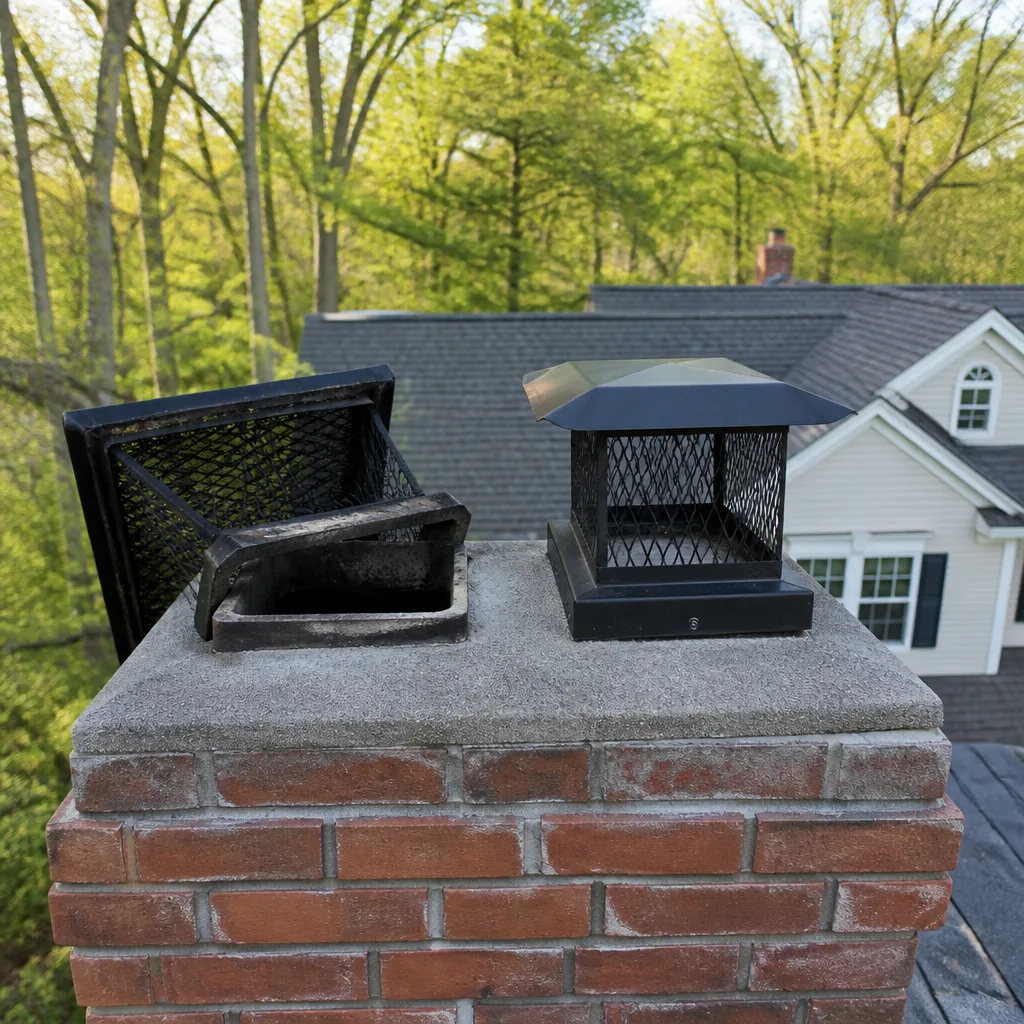
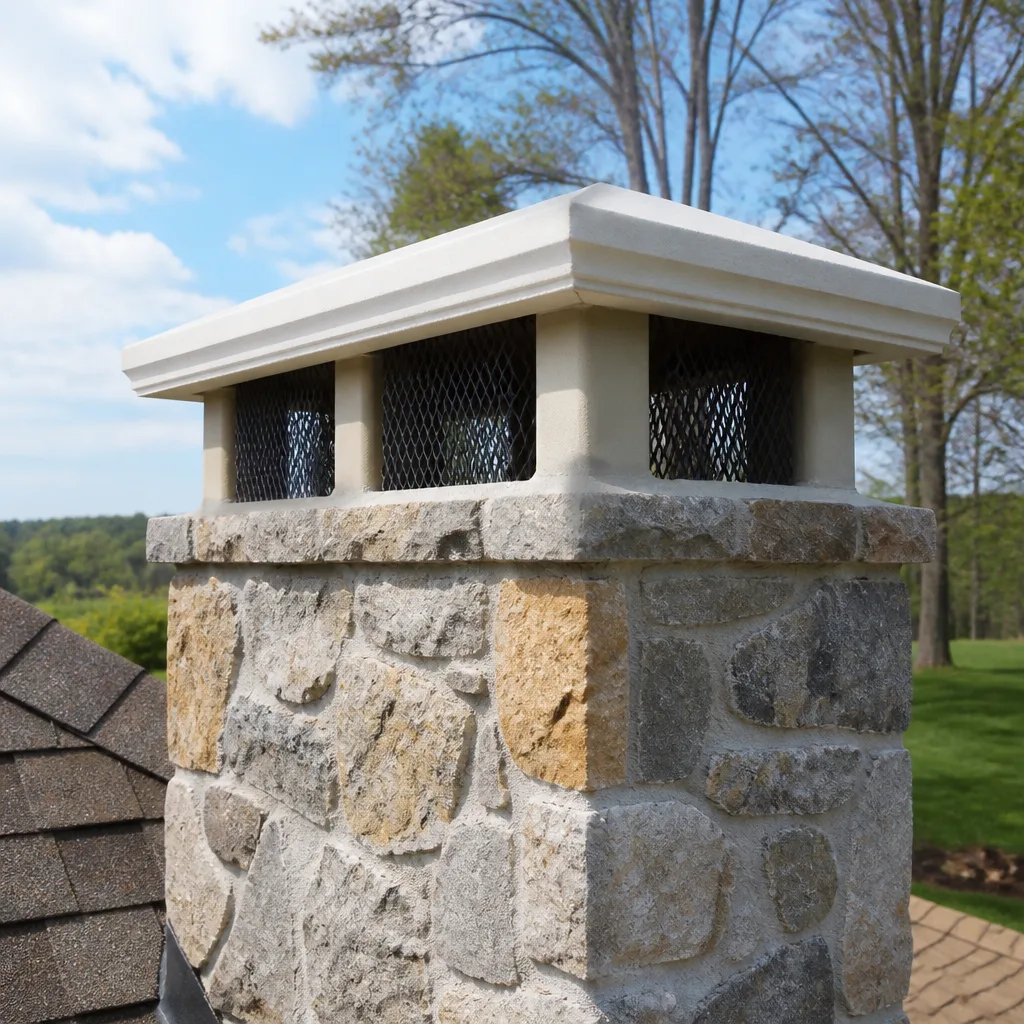
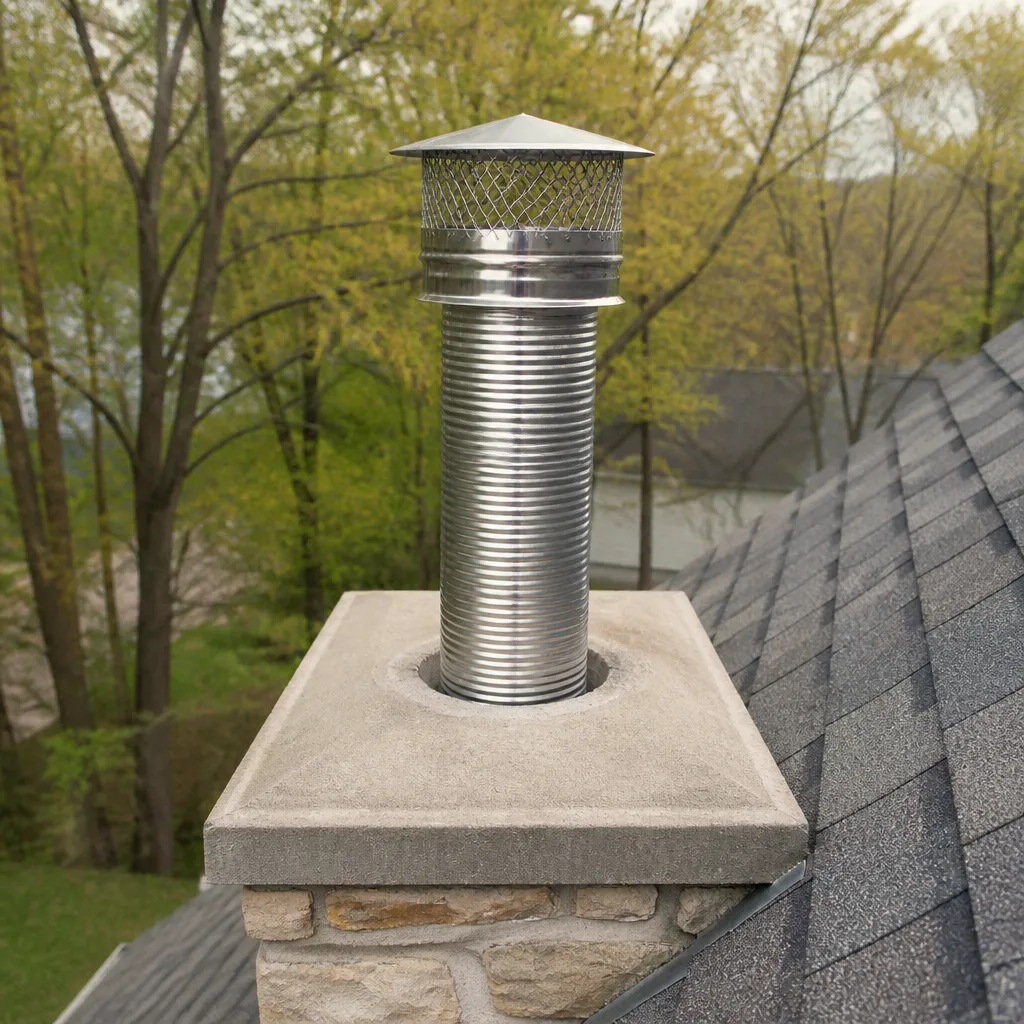
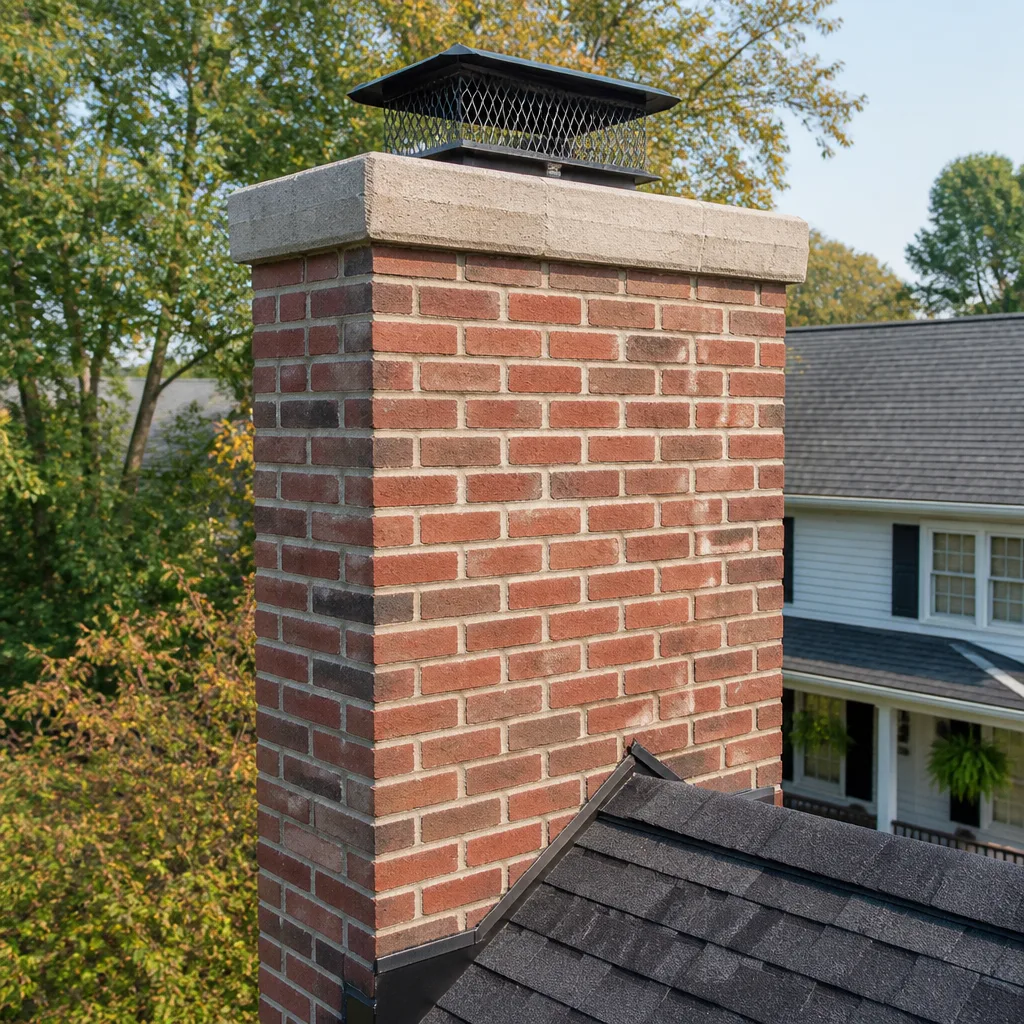
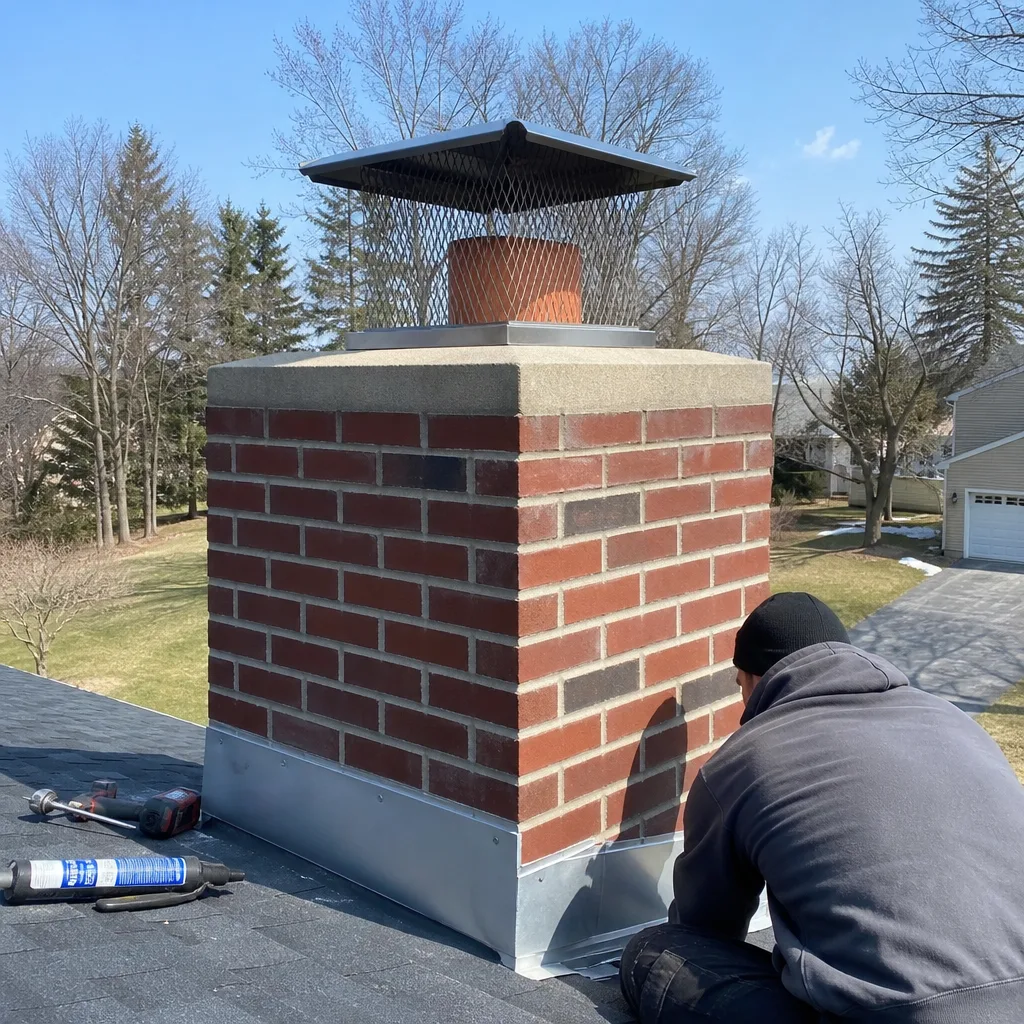
Level 1 sweep and inspection to the NFPA 211 annual standard - flue, crown, cap, and flashing checked and photographed
Chimney sweep logs do not sweep chimneys. They loosen some creosote - which then falls where a brush and vacuum still have to collect it.
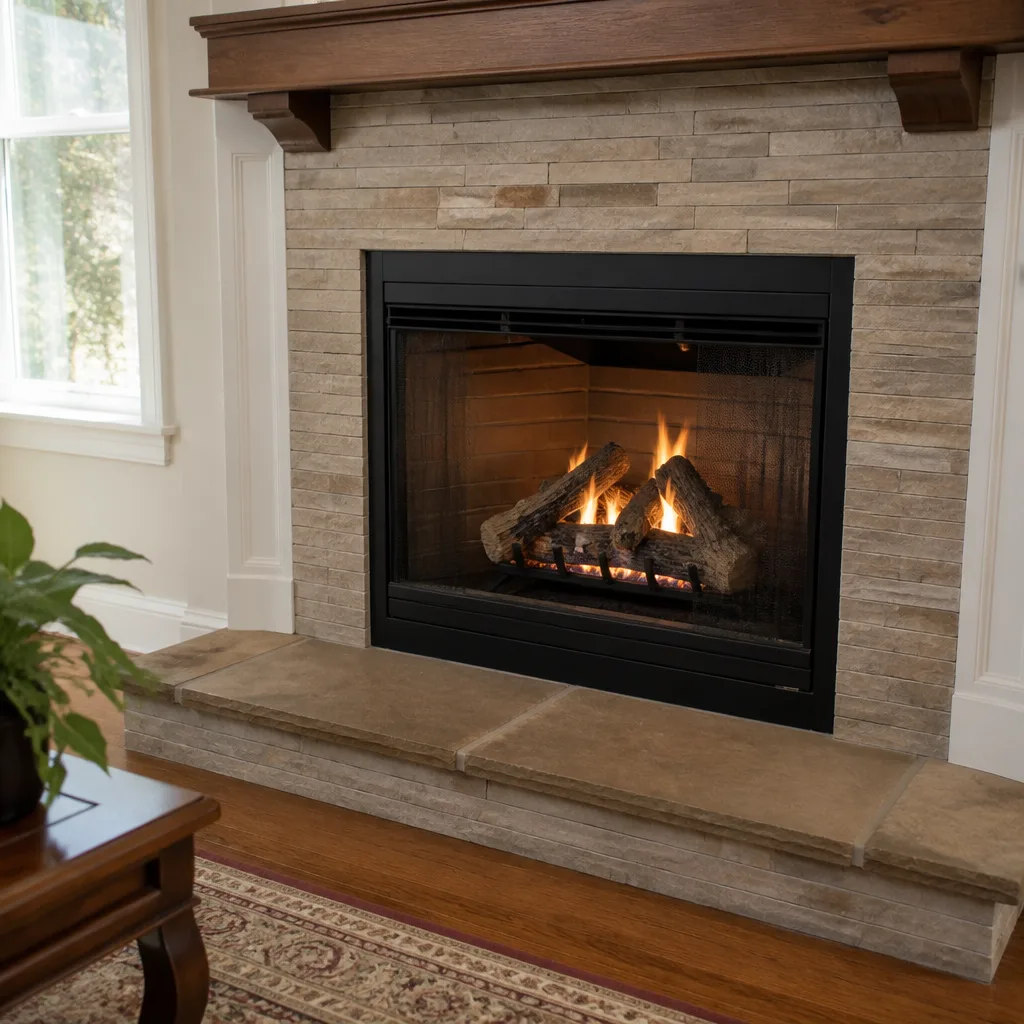
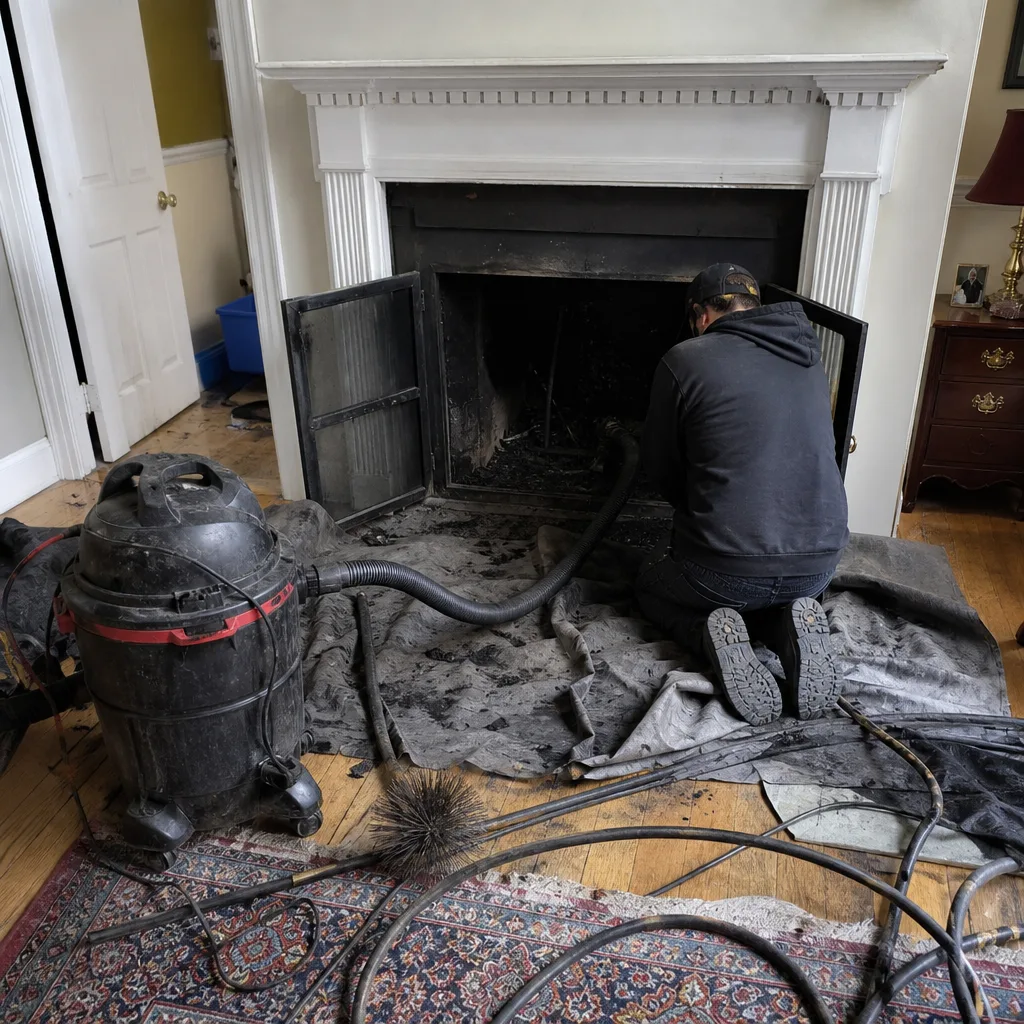 Before
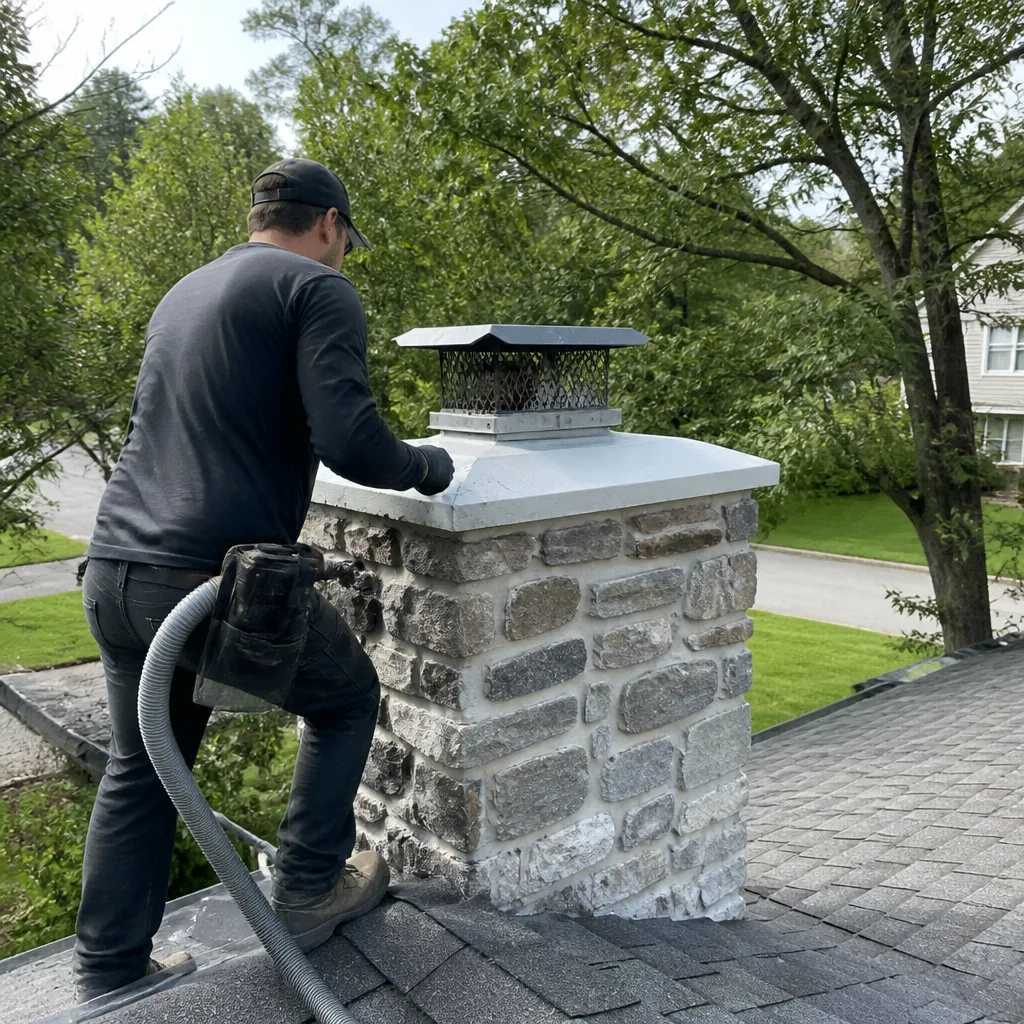 After
After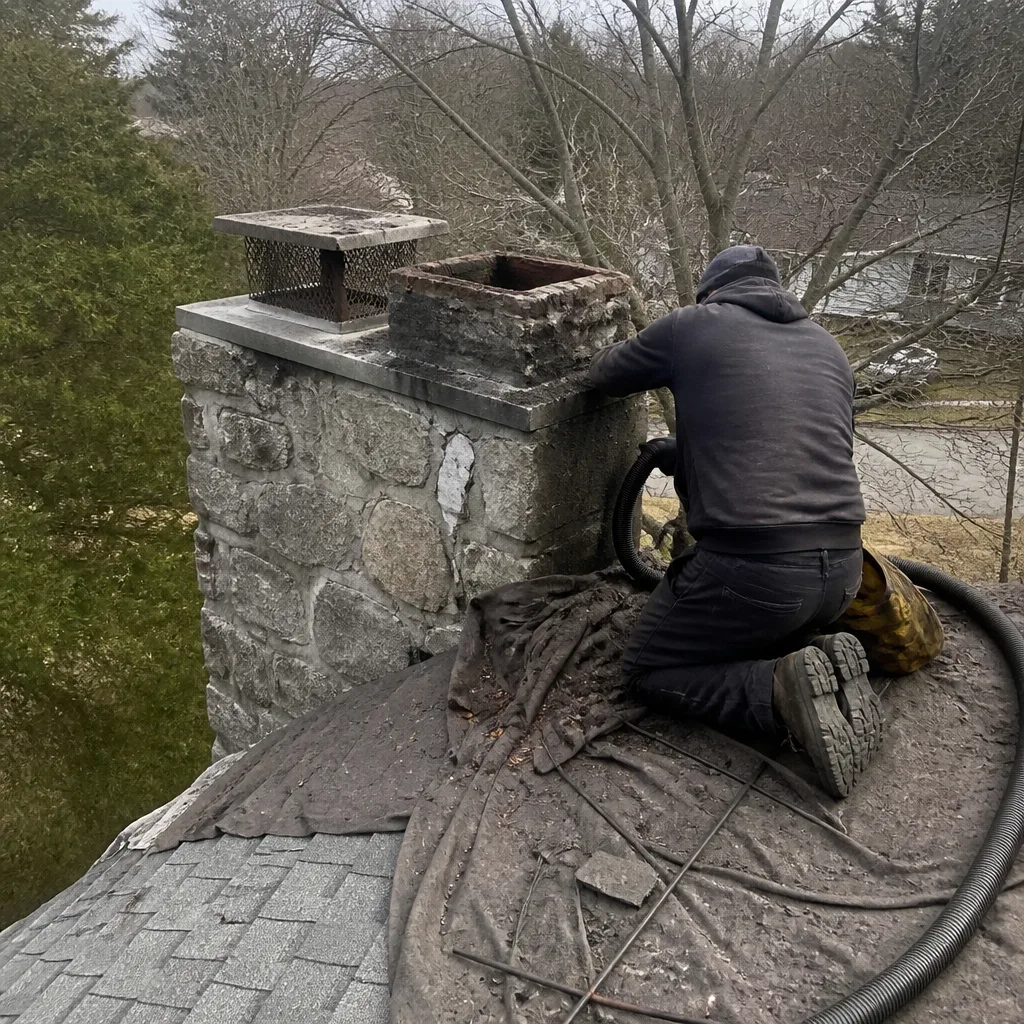 Before
 After
AfterDIY vs Professional Chimney Cleaning: The Chesterbrook Homeowner’s Decision Guide
You can legally clean your own chimney flue in Pennsylvania. But if a fire occurs in a chimney you self-maintained, your insurer’s first question is what documented inspection found before the loss. “I brushed it myself in October” is not an answer that pays a claim. In Chesterbrook, where home values in neighborhoods like The Reserve and Valley Stream cluster around the county median and above, the gap between a swept flue and a documented one shows up at two moments: when something goes wrong, and when you sell. This guide maps exactly where DIY cleaning ends, where liability begins, and what a professional sweep in Chesterbrook actually delivers that a brush and a ladder cannot. For more guides & resources on chimney care, see our blog.
Quick Answer
DIY chimney cleaning removes loose soot and Stage 1 creosote from accessible flue sections but cannot detect liner cracks, smoke chamber deterioration, or hidden obstructions. For Chesterbrook homeowners, professional cleaning by a certified sweep includes an NFPA 211 Level 2 camera inspection, a written condition report, and a documented photo record that satisfies insurance and real estate disclosure requirements. The cost difference narrows significantly over five years when equipment purchases are factored in, and the liability protection is substantial. See our Chimney Cleaning Cost Breakdown: The Chesterbrook Homeowner’s Reference for 2026 for detailed pricing analysis.
Table of Contents
- What DIY Chimney Cleaning Actually Accomplishes
- What DIY Cleaning Cannot Do: The Hidden Flue
- Equipment Cost Reality: The Five-Year Math
- The Insurance Documentation Gap
- Pennsylvania Real Estate Disclosure and the Chimney Record
- How Chesterbrook’s Climate Affects Creosote Buildup
- When DIY Is Defensible vs. When It Creates Liability
- What a Professional Sweep in Chesterbrook Actually Includes
 Before
 After
AfterWhat DIY Chimney Cleaning Actually Accomplishes
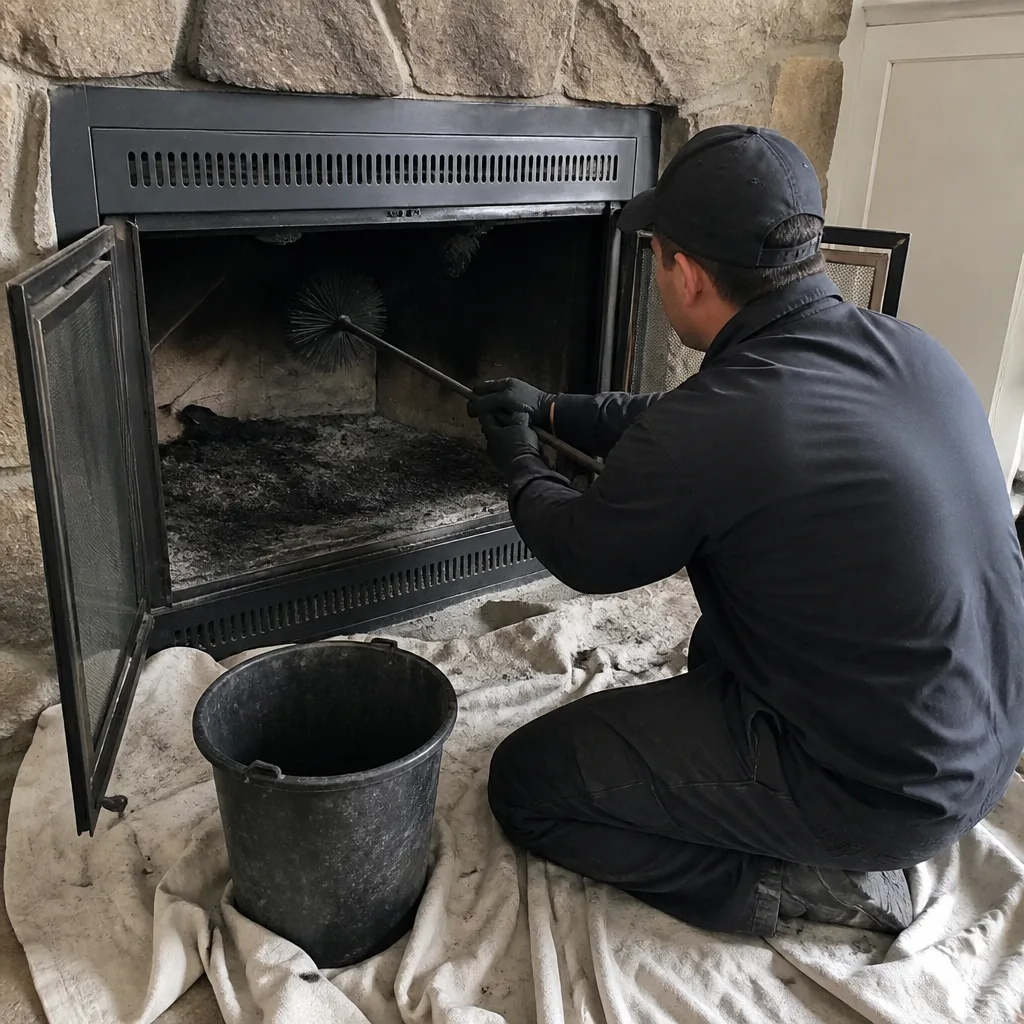
A homeowner with a basic rod set and poly brush can remove loose, powdery soot and flaky Stage 1 creosote from the first several feet of a straight flue. This is not nothing. In a gas fireplace with minimal use, or a wood-burning insert burned only on weekends with properly seasoned hardwood, this maintenance keeps the flue passable and reduces immediate fire risk.
Here’s what competent DIY cleaning covers:
- Visual cap and crown check from the roof - Look for obvious cracks, missing mortar, or animal nesting. In Chesterbrook’s mature neighborhoods, where oak and maple canopies overhang many roofs, leaf accumulation and squirrel activity are common findings.
- Damper operation - Open, close, and check for rust or warping that prevents full closure.
- Firebox debris removal - Shovel ash, check for cracked firebrick, and clear the hearth area.
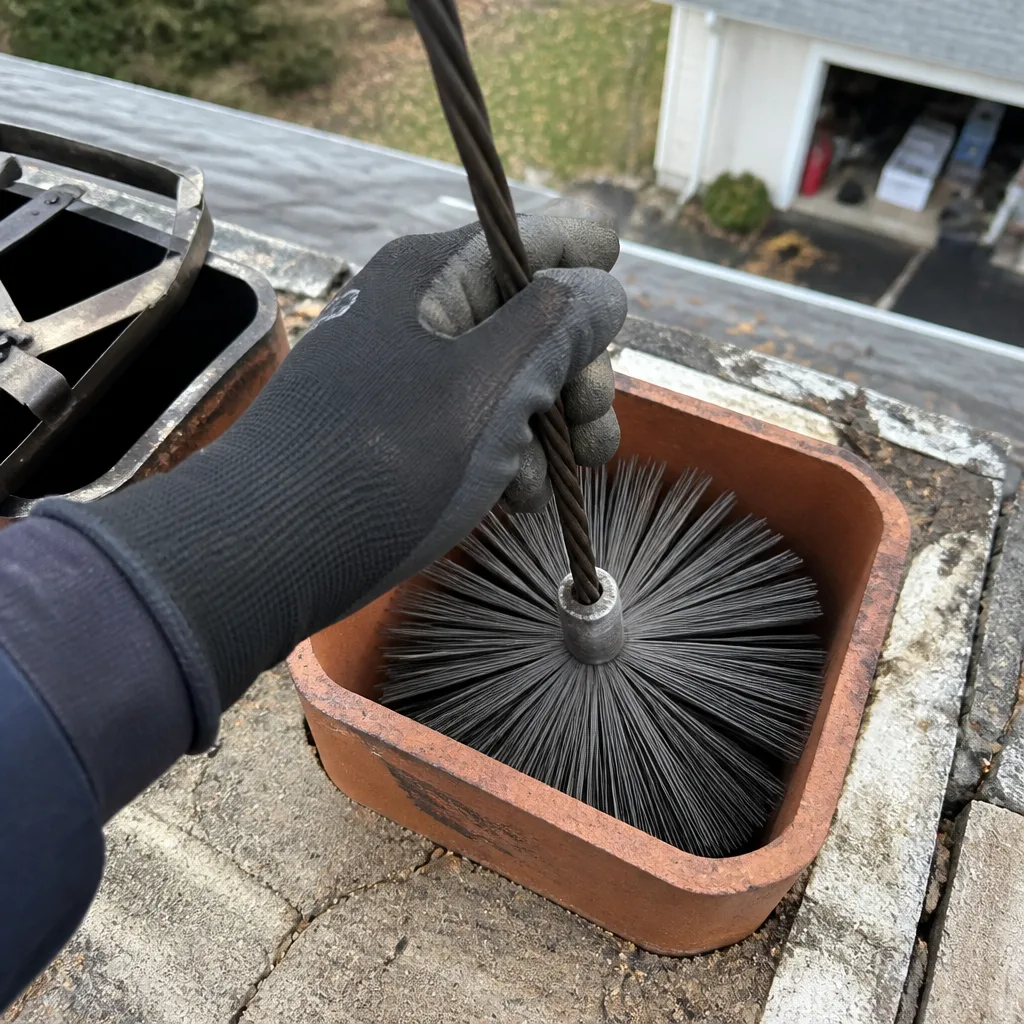
- Top-down or bottom-up brushing - Run a brush matched to your flue diameter (typically 6″, 8″, or 10″ for residential) through the flue to dislodge loose deposits.
- Basic smoke shelf cleaning - Reach what you can with a hand brush and vacuum.
The limitation arrives immediately after step five. What you cannot see, you cannot assess. And in a masonry flue, what you cannot see is most of the system.
We’ve inspected chimneys in Chesterbrook where the homeowner had brushed faithfully for years, never knowing the clay liner had a vertical crack at the second flue joint. The brush passed through cleanly. The crack admitted combustion gases into the wall cavity. No DIY process catches this.
What DIY Cleaning Cannot Do: The Hidden Flue
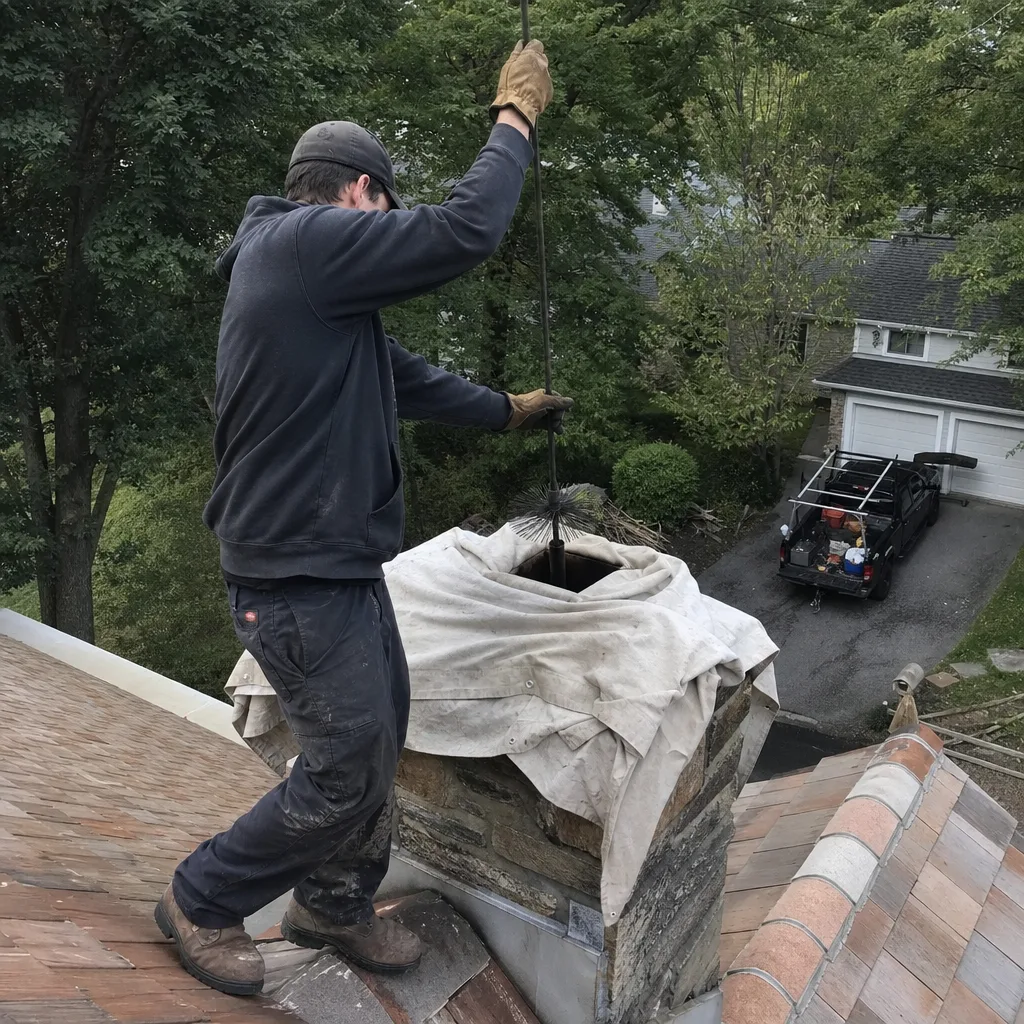
The working chimney is a vertical system with multiple failure points, most invisible from either end. A professional sweep in Chesterbrook does not clean in isolation. The cleaning is the access method that enables inspection.
Here is what remains hidden from homeowner cleaning:
- Liner condition below the smoke chamber - Clay tile liners crack from thermal cycling, especially in chimneys serving wood stoves that burn hot and cycle cold. The crack is often at the joint between the second and third flue tile, roughly 12-15 feet down, where no homeowner brush provides feedback.
- Smoke chamber integrity - The area above the damper and below the flue liner, shaped like an inverted funnel, is where the most dangerous creosote accumulations occur in older Chesterbrook homes built before 1980. It’s also where parging (the smooth mortar surface) deteriorates, creating turbulence that deposits more creosote. You cannot see this without a camera.
- Obstructions and nest material - Partial blockages from collapsed liner sections, bird nests, or accumulated debris reduce draft and push combustion gases into the home. A brush moves past a partial obstruction; a camera reveals it.
- Class III creosote - The hardened, tar-like glaze that forms when wood burns incompletely or when the flue is oversized for the appliance. It cannot be brushed out. It requires chemical treatment or rotary removal. Left alone, it is the fuel source for chimney fires exceeding 2,000°F.
- Crown and flashing water intrusion paths - Water entry at the crown washes mortar from liner joints, accelerates steel liner corrosion, and spalls brick faces. The damage starts small and hidden.
In our work across Chesterbrook and the Main Line, we’ve documented liner failures in chimneys that were “cleaned every year” by the homeowner. The cleaning was real. The failure was undetected. The documentation gap is the problem this guide keeps returning to.
Equipment Cost Reality: The Five-Year Math
The DIY chimney cleaning articles rarely account for full equipment costs. A proper setup for one home with one flue size runs as follows:
| Item | Cost Range | Notes |
|---|---|---|
| Poly or wire brush set with extension rods | $45-$120 | Must match flue diameter; multiple flues require multiple brushes |
| HEPA-rated ash vacuum | $180-$350 | Standard shop vacs expel fine particulate; HEPA is essential for silica and creosote dust |
| Drop cloths, PPE, eye protection | $40-$75 | Creosote is a skin irritant and suspected carcinogen |
| Rooftop ladder stabilizer or harness | $80-$200 | Chesterbrook’s two-story colonials and split-levels require secure roof access |
| Basic inspection camera (consumer grade) | $150-$400 | WiFi borescope; 720p, limited articulation, no measurement capability |
| Total initial investment | $495-$1,145 | For one flue size, basic capability |
Professional chimney cleaning and Level 2 inspection in the Chesterbrook market typically runs $225-$375 for a standard masonry fireplace, depending on accessibility, creosote severity, and whether the sweep includes a full camera documentation package. At Level Two Chimney Chesterbrook, the Chimney Cleaning & Sweep in Chesterbrook includes NFPA 211 Level 2 inspection, camera scan, and documented photo record as standard under Haven Standard Clause 4.
Over five years, the DIY equipment depreciates, brushes wear, cameras fail, and the homeowner still lacks professional interpretation of findings. The break-even point for DIY assumes zero equipment replacement, zero injury risk, and zero cost of misdiagnosis. In practice, most Chesterbrook homeowners who start with DIY transition to professional service within three years, having spent more than professional cleaning would have cost.
The Insurance Documentation Gap
This is the point competitors miss. Chimney fires in Pennsylvania generate approximately 4,500 claims annually, according to state insurance data. When a claim adjuster opens a file, the first documentation requested is the inspection and maintenance record.
A self-cleaned chimney produces no such record. The homeowner’s testimony that “I cleaned it myself” establishes maintenance effort but not condition. The insurer’s position: without a dated, signed inspection report from a qualified professional, there is no evidence that the flue was free of defects before the loss. This shifts investigation toward contributory negligence, policy exclusions for uninspected systems, or reduced settlement.
By contrast, a professional sweep with camera documentation provides:
- Dated, signed report - Identifies the technician, the company, and the scope of work performed.
- Pre-work condition photos - Shows liner state, creosote class, and any defects found before cleaning.
- Post-work verification - Documents that the flue is clear and serviceable after cleaning.
- Written recommendations - Separates immediate needs from monitoring items, with timelines.
We’ve provided documentation to Chesterbrook homeowners during claim disputes where our prior year’s inspection report was the decisive evidence that the chimney was sound before the incident. Without that paper trail, the same homeowner would have faced a prolonged, potentially unsuccessful claim.
The Haven Standard’s Clause 4 requirement, a documented photo record on every job, exists precisely because we’ve seen what happens when documentation is absent. We instituted this practice in 2009, before insurers or regulators required it, because the camera doesn’t argue. The photo record is the evidence.
Pennsylvania Real Estate Disclosure and the Chimney Record
Pennsylvania’s Real Estate Seller Disclosure Law (68 P.S. § 7301 et seq.) requires sellers to disclose known defects in “heating system” and “fireplace/chimney” on the standard disclosure statement. The disclosure form asks: “Are you aware of any problem with the fireplace and chimney?”
A homeowner who has self-maintained without professional inspection faces a specific dilemma. “No” is inaccurate if defects exist undetected. “Unknown” invites buyer scrutiny and potential inspection contingency renegotiation. “Yes” with no documentation of resolution depresses sale price.
Professional inspection records transform this scenario. A current Level 2 inspection report with clean findings allows the seller to answer “No” with confidence. A report identifying past issues with completed repairs provides the documentation that satisfies buyer due diligence without renegotiation.
In Chesterbrook’s competitive resale market, where homes in The Reserve and Valley Stream often sell within 30 days of listing, inspection contingencies are negotiation leverage. A seller with a documented chimney record neutralizes that leverage. A seller without one invites a buyer-requested inspection that may delay closing or reduce net proceeds.
We’ve provided pre-listing inspections for Chesterbrook sellers who recognized this dynamic. The cost of the inspection is typically recovered many times over in smoother negotiations and preserved sale price.
How Chesterbrook’s Climate Affects Creosote Buildup
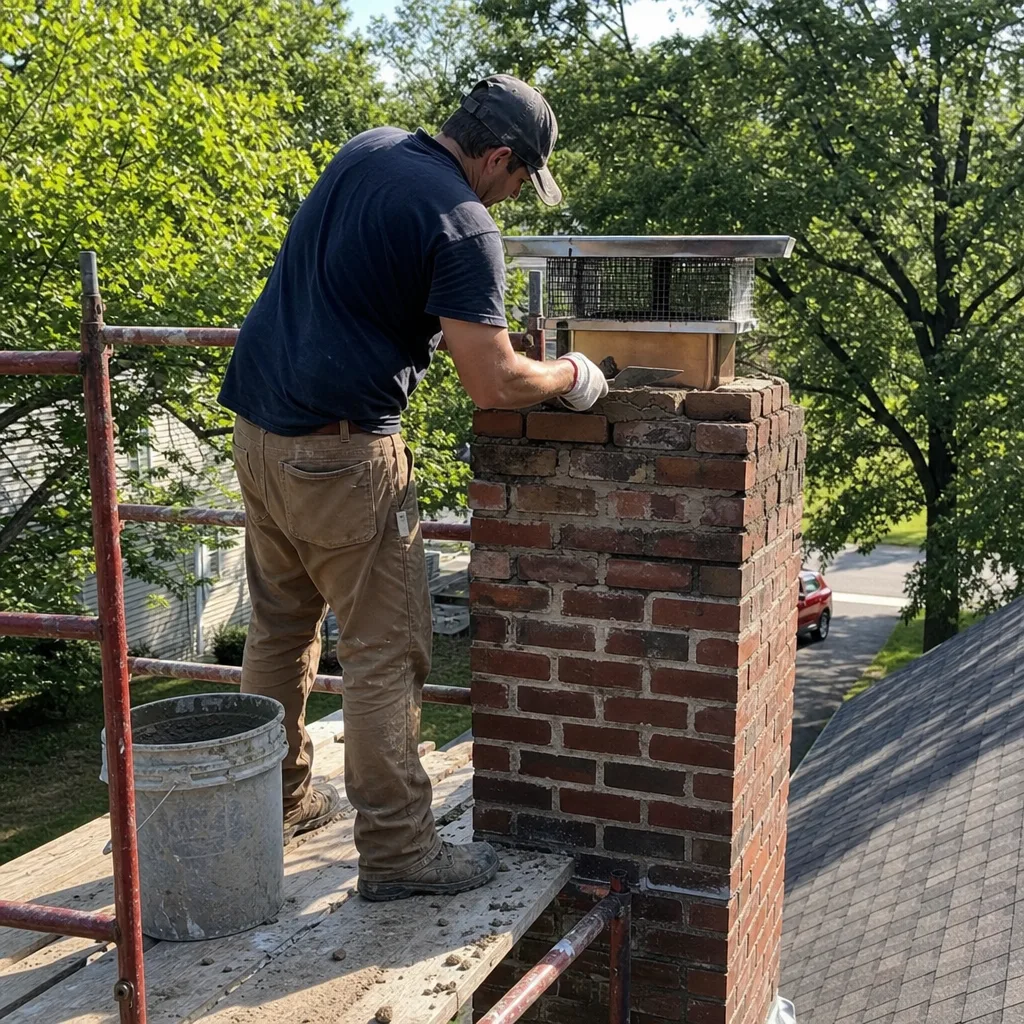
Chesterbrook sits in the humid continental climate zone of southeastern Pennsylvania, with average winter lows in the mid-20s°F and extended heating seasons from October through April. This climate creates specific creosote conditions that DIY cleaning often underestimates.
The combination of cold exterior chimney temperatures and warm, moisture-laden combustion gases produces rapid condensation in the flue. Condensed creosote is Stage 2 and Stage 3 material, harder and more adhesive than the powdery Stage 1 that brushes remove easily. In Chesterbrook’s older neighborhoods, where unlined or partially lined chimneys are common in homes built before 1970, this effect is amplified by oversized flues that cool faster than modern, right-sized systems.
Spring and fall temperature swings compound the issue. A chimney that cools overnight after evening use, then warms with morning relighting, undergoes thermal cycling that fractures clay liners and loosens mortar. The debris falls to the smoke shelf, partially obstructing draft and creating localized creosote accumulation.
We’ve found significant smoke shelf blockages in Chesterbrook chimneys where the homeowner reported “good draft” because the fireplace functioned adequately on mild days. Cold, still days revealed the problem: backdrafting, smoke spillage, and carbon monoxide risk. Professional inspection with draft testing and camera verification catches what atmospheric conditions conceal.
When DIY Is Defensible vs. When It Creates Liability
There is a narrow scenario where DIY chimney maintenance is reasonable, and it is not the one most homeowners assume.
DIY is defensible when:
- The appliance is a low-use gas fireplace or decorative log set, burning clean fuel with minimal particulate.
- A professional NFPA 211 Level 2 inspection is performed annually by a certified sweep, with camera documentation.
- The homeowner’s cleaning between inspections is limited to firebox debris removal, glass cleaning, and visual cap check.
- The chimney is a direct-vent or B-vent system with minimal flue run, not a masonry flue with complex geometry.
Even here, the defensibility rests on the professional inspection record, not the DIY cleaning. The cleaning is incidental maintenance; the inspection is the liability protection.
DIY creates clear liability when:
- The chimney serves a primary or supplementary wood-burning heat source, especially inserts or stoves burning more than three cords annually.
- The system has not had professional camera inspection within 24 months.
- The homeowner performs “cleaning” without understanding creosote class, liner type, or appliance clearance requirements.
- The chimney is masonry, pre-1980, with unknown liner condition or history of water intrusion.
- The home is under renovation, sale preparation, or insurance policy renewal review.
In Chesterbrook, where many homes in Valley Stream and surrounding areas feature original masonry fireplaces now supplemented with wood stoves or inserts, the second scenario is common. The homeowner installs an insert, assumes the existing flue is adequate, and brushes annually without understanding that the insert’s lower flue gas temperature may increase creosote accumulation in a flue sized for a roaring open hearth.
We’ve documented this exact mismatch in Chesterbrook inspections: a properly installed insert, an improperly sized flue, and years of homeowner cleaning that never identified the problem. The camera found it in minutes.
What a Professional Sweep in Chesterbrook Actually Includes
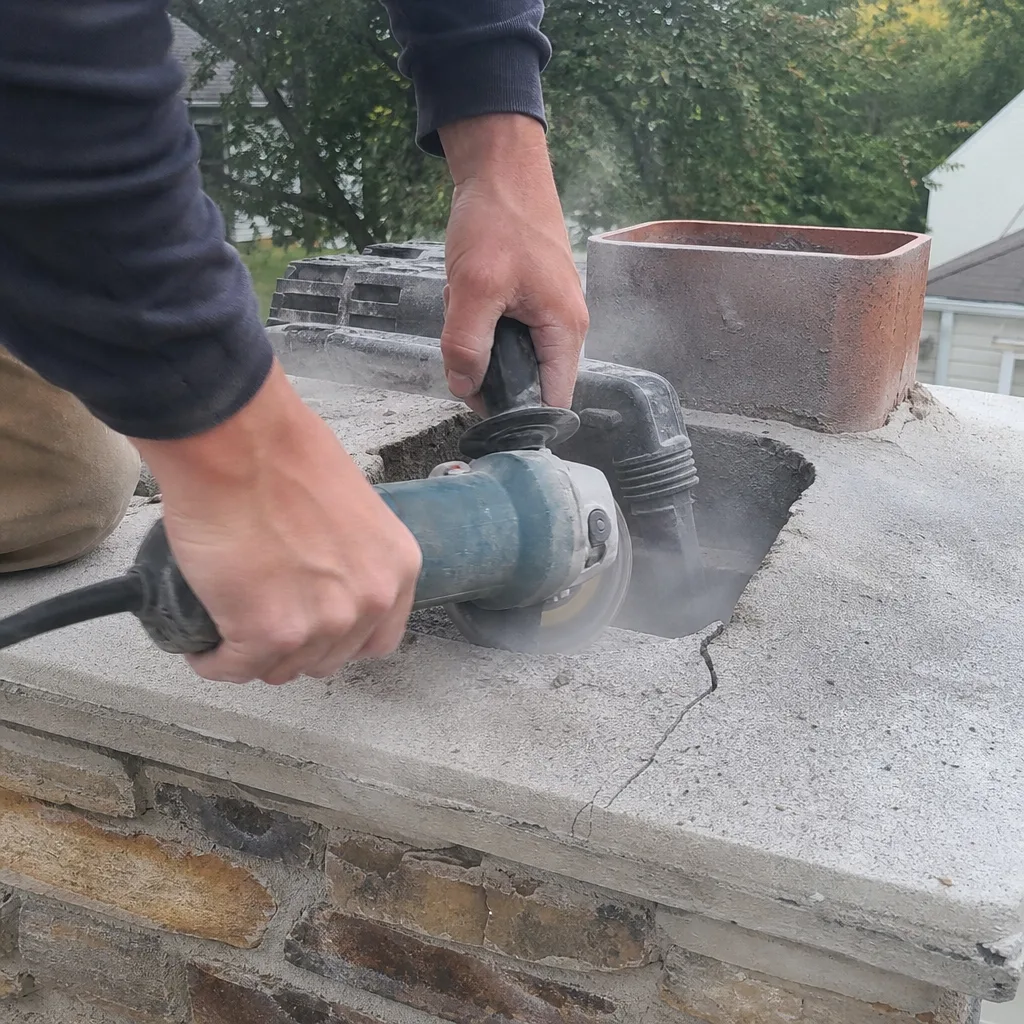
Understanding what professional service delivers clarifies why the cost difference from DIY is narrower than it appears. At Level Two Chimney Chesterbrook home, the standard sweep and inspection follows this protocol:
- Exterior assessment - Crown, cap, flashing, brick condition, and water intrusion paths. We photograph everything.
- Interior firebox and damper inspection - Cracked firebrick, damper seal, lintel condition.
- Smoke chamber evaluation - Parging integrity, clearance to combustibles, creosote accumulation.
- NFPA 211 Level 2 camera inspection - High-resolution video scan of the full flue liner, from smoke chamber to cap, with footage archived under Haven Standard Clause 4.
- Creosote classification and removal - Stage 1 brushed, Stage 2 rotary or chemical treatment, Stage 3 mechanical removal with Chimney Repair in Chesterbrook scheduling if liner damage is found.
- Written scope and price - Before any repair work begins, under Haven Standard Clause 1. No exceptions.
- Documented photo record delivery - Digital archive accessible to the homeowner, transferable at sale, admissible in insurance claims.
Materials for any repair needs, from liner replacement to crown rebuilding, are sourced through our buying network including DuraFlex stainless steel liners, HeatShield cerfractory flue sealant, and Gelco chimney caps. This procurement specificity keeps pricing transparent and competitive.
The 365-Day Done Right Promise applies to every job. If our cleaning or inspection missed something that should have been caught, we return and correct it. The promise is stamped on every work order, not offered verbally and forgotten.
For fireplace-specific concerns beyond the flue itself, our Fireplace Services in Chesterbrook covers gas line inspection, log set maintenance, and insert performance verification.
Common Mistakes to Avoid
- Using a standard shop vacuum for ash and creosote removal. Fine particulate passes through standard filters, redistributing silica and creosote dust through the home. HEPA filtration is essential; professional equipment is HEPA-rated and sealed.
- Brushing a flue without verifying liner material. Wire brushes damage stainless steel liners and erode mortar joints in unlined masonry. Poly brushes are safer but less effective on glazed creosote. Material mismatch causes damage.
- Cleaning from the bottom only. Bottom-up brushing dislodges debris that falls to the smoke shelf, potentially blocking draft. Professional sweeps clean top-down or use vacuum capture during bottom-up work.
- Assuming “no smell, no problem.” Carbon monoxide is odorless. A chimney can draft poorly, spill gases, and produce no perceptible warning. Draft testing requires manometer equipment, not guesswork.
- Neglecting the crown in Chesterbrook’s freeze-thaw cycles. Water enters crown cracks, freezes, expands, and fractures the crown further. By the time interior staining appears, structural repair is often required. Annual professional inspection catches crown deterioration early.
- Cleaning without inspecting after severe weather. Chesterbrook’s summer storms and winter ice events dislodge caps, damage crowns, and introduce debris. Post-event inspection is as important as scheduled maintenance.
When to Call a Professional
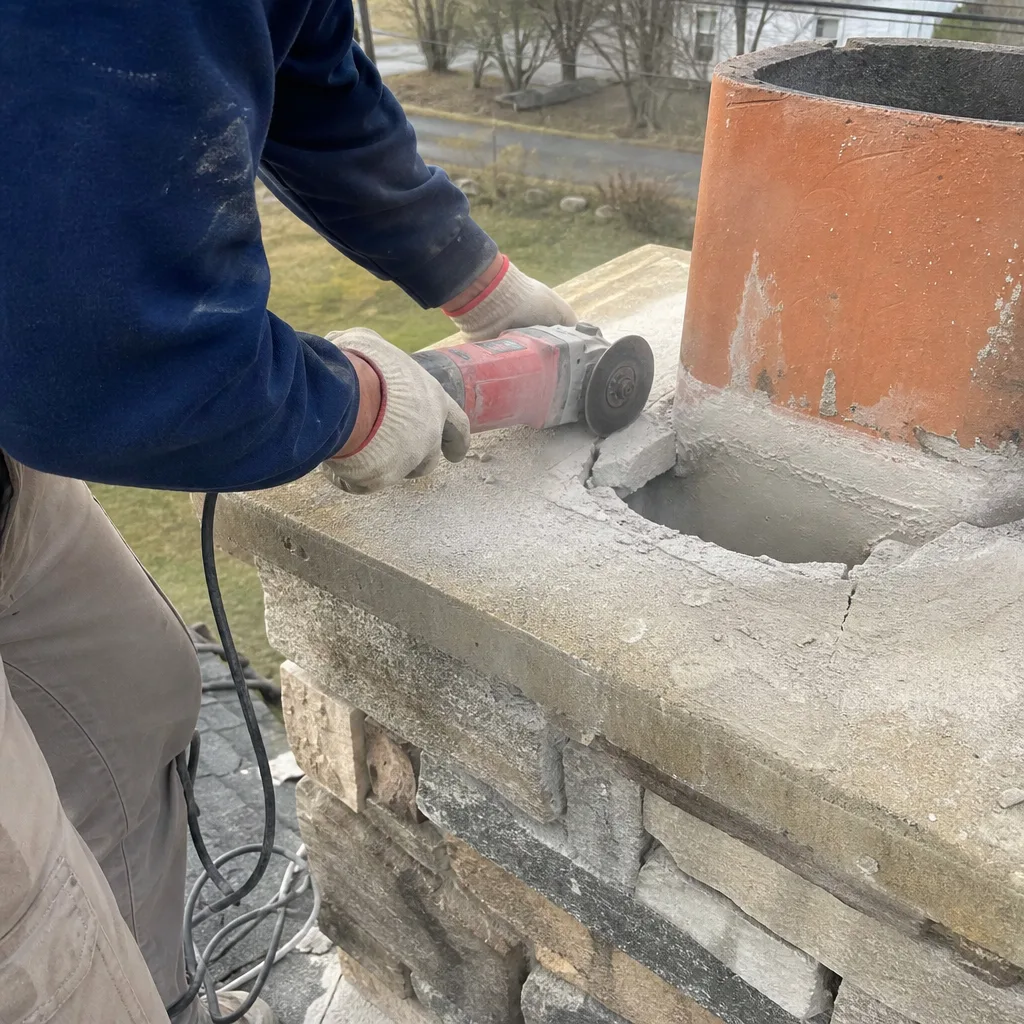
Call a professional sweep when your chimney serves any wood-burning appliance more than occasionally, when you have not had camera inspection within 24 months, when you are preparing to sell, when your insurer requests documentation, or when you observe any change in draft performance, odor, or visible deterioration.
Level Two Chimney Chesterbrook offers free estimates in Chesterbrook. Call (484) 806-9176. Every estimate includes a written price, written scope, and written warranty before any work begins. The camera inspection and photo record are standard, not optional. If you have a competitor’s written quote, we provide a free second opinion.
Frequently Asked Questions
Professional chimney cleaning with NFPA 211 Level 2 inspection in Chesterbrook typically ranges from $225 to $375 for a standard masonry fireplace, depending on creosote severity, flue accessibility, and whether the system has a chimney cap or requires debris removal. Level Two Chimney Chesterbrook includes camera inspection and documented photo record as standard. Call (484) 806-9176 for a written estimate specific to your system.
A flue liner is required by code for all masonry chimneys in Pennsylvania, and its condition determines whether continued use is safe. Cracked clay liners, missing mortar joints, or unlined masonry create clearance-to-combustibles violations and fire spread risk. We never recommend liner replacement without camera evidence you can see. In many Chesterbrook homes built before 1980, a stainless steel liner from DuraFlex is the most cost-effective long-term solution. Bring us any competitor’s written estimate for a free second opinion.
NFPA 211 recommends annual inspection for all chimneys, with cleaning frequency determined by creosote accumulation, not calendar alone. In Chesterbrook’s climate, wood-burning systems used as primary heat typically require annual cleaning. Occasional-use fireplaces may extend to every two years if inspection confirms minimal buildup. Gas systems need annual inspection but rarely need cleaning. The determining factor is what the camera finds, not habit.
Skipped maintenance allows creosote accumulation, liner deterioration, and water damage to progress undetected. The immediate risk is chimney fire, with temperatures exceeding 2,000°F capable of igniting adjacent framing. The less visible risk is carbon monoxide intrusion through cracked liners or blocked flues. The financial risk is emergency repair cost, often 3-5 times preventive maintenance, and potential insurance claim denial for lack of inspection records. Annual professional inspection catches all three risk categories before they escalate.
Homeowner cleaning does not automatically void insurance, but it provides no documentation of flue condition. In a fire or carbon monoxide incident, the absence of professional inspection records shifts burden of proof to the homeowner. Pennsylvania courts have upheld insurer denials where maintenance records were insufficient to establish pre-loss condition. Professional inspection with written report and photo documentation is the standard insurers expect and courts recognize.
Yes. Gas fireplaces require annual inspection of the burner, pilot, gas valve, venting system, and carbon monoxide detection. The flue or direct-vent termination must be clear of obstruction and properly sealed. While gas burns cleaner than wood, deterioration of seals, corrosion of vents, and debris blockage still occur. In Chesterbrook, where many homes have converted from wood to gas inserts, the original flue sizing and condition must be verified compatible with the gas appliance’s venting requirements.
The Bottom Line
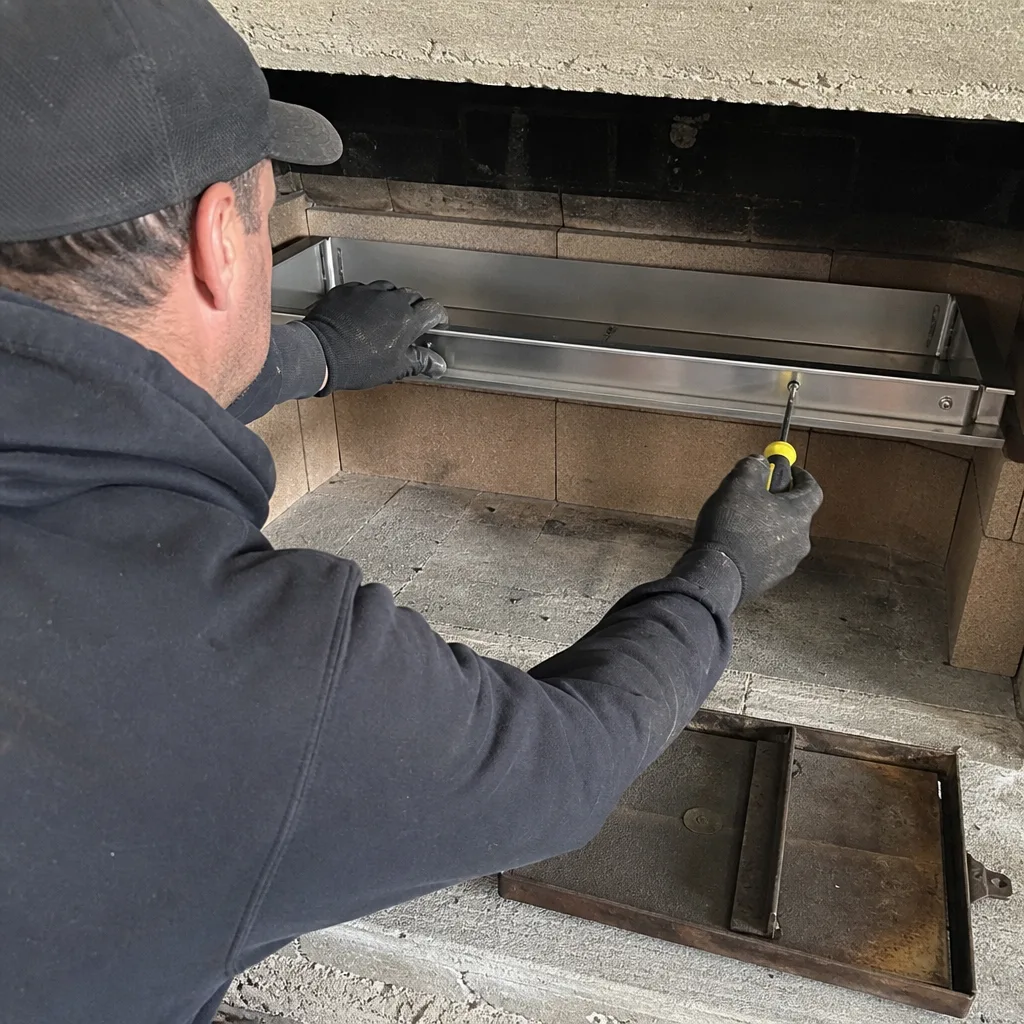
DIY chimney cleaning removes what you can see and reach. Professional service documents what you cannot. The difference is not primarily cost, it is evidence: a dated, signed, photographed record of flue condition that satisfies insurance, satisfies real estate disclosure, and satisfies the homeowner’s own need to know what is overhead. In Chesterbrook’s climate, with its freeze-thaw cycles, mature tree canopy, and mix of vintage and modern construction, the hidden flue is where risk accumulates. The camera finds it. The paper trail protects you. The choice between DIY and professional is ultimately a choice between maintenance you performed and condition you can prove.
Written by Corrine Halstead, Owner at Level Two Chimney Chesterbrook, serving Chesterbrook since 2009.