
Last updated September 22, 2026
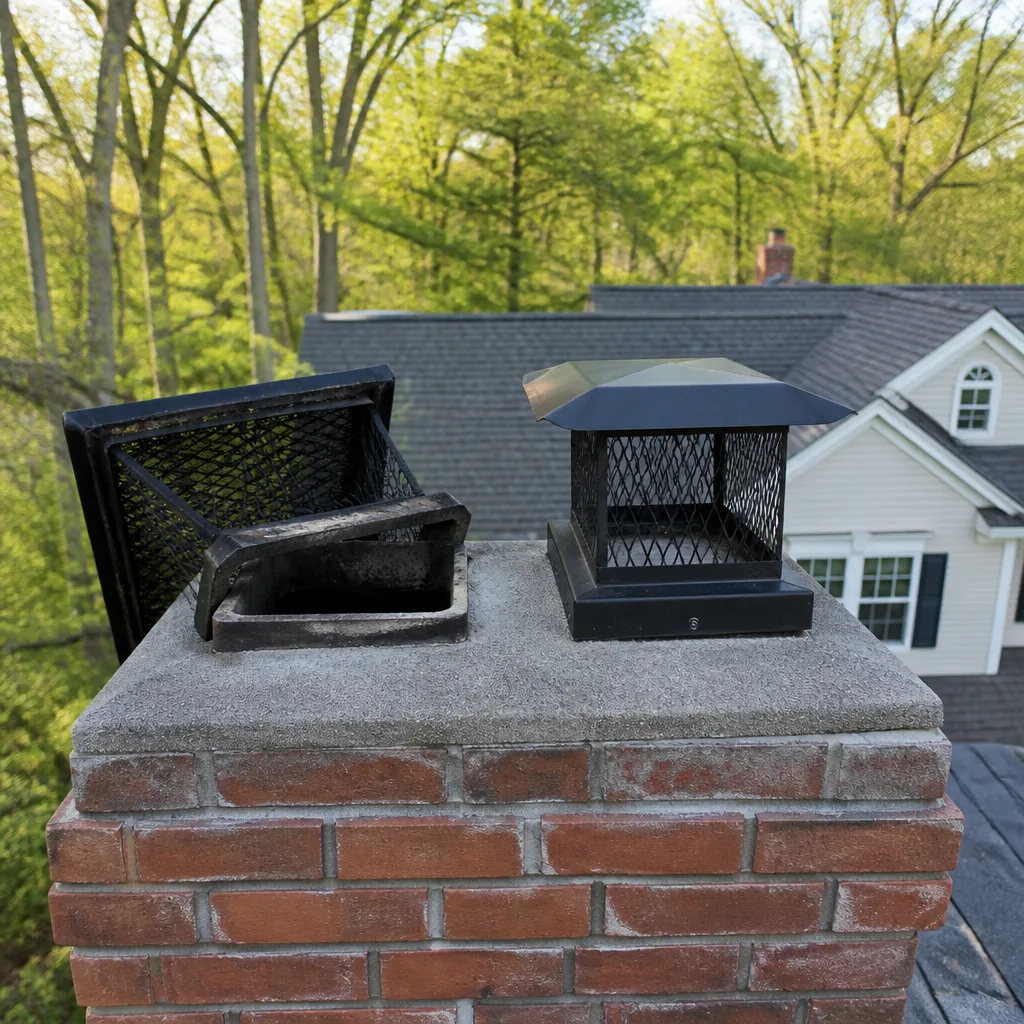
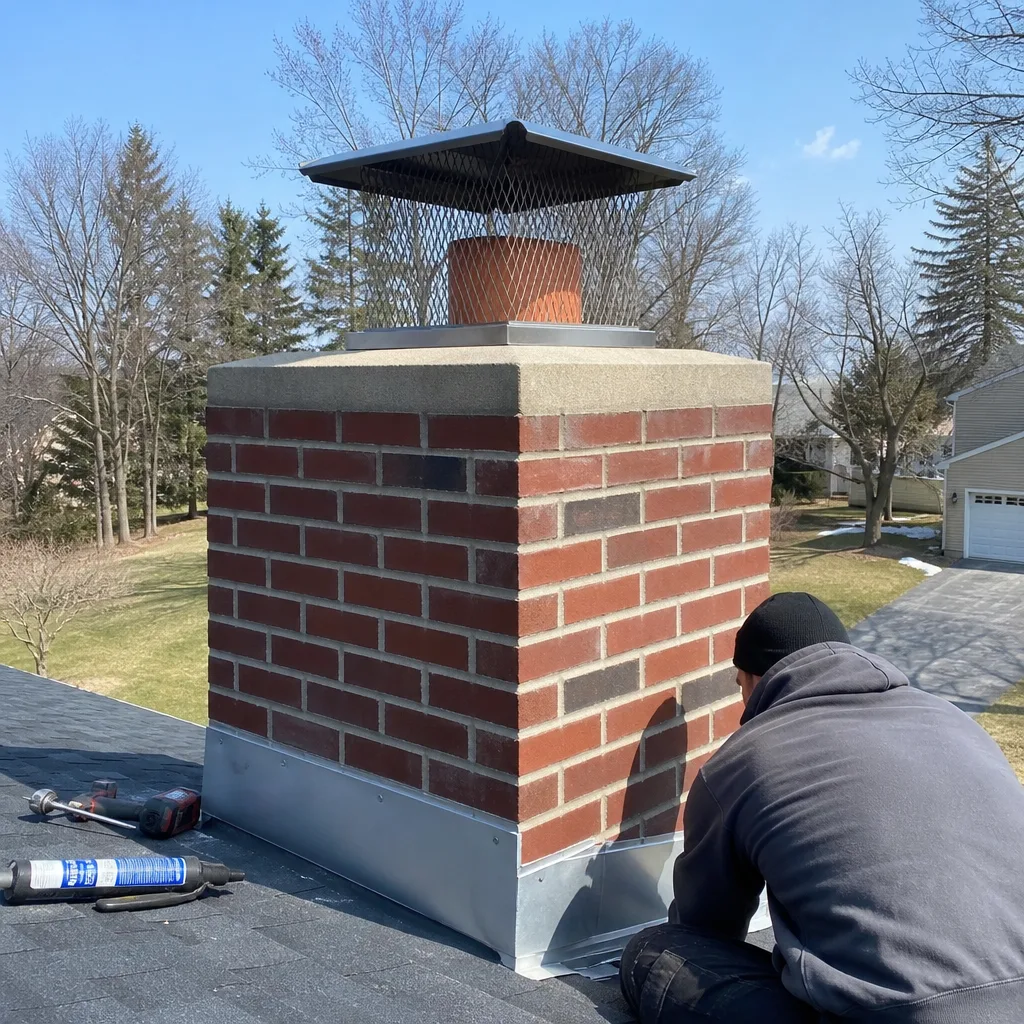
Level 1 sweep and inspection to the NFPA 211 annual standard - flue, crown, cap, and flashing checked and photographed
Chimney sweep logs do not sweep chimneys. They loosen some creosote - which then falls where a brush and vacuum still have to collect it.
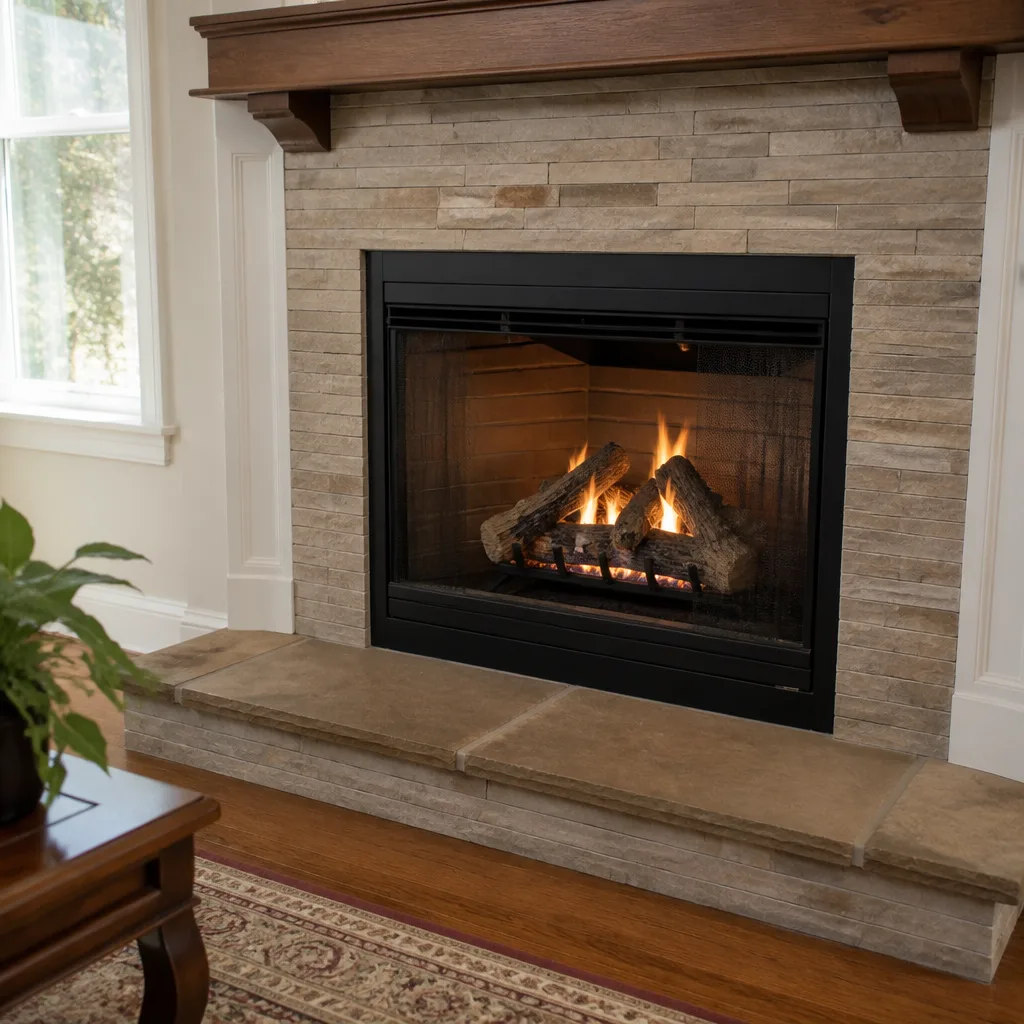
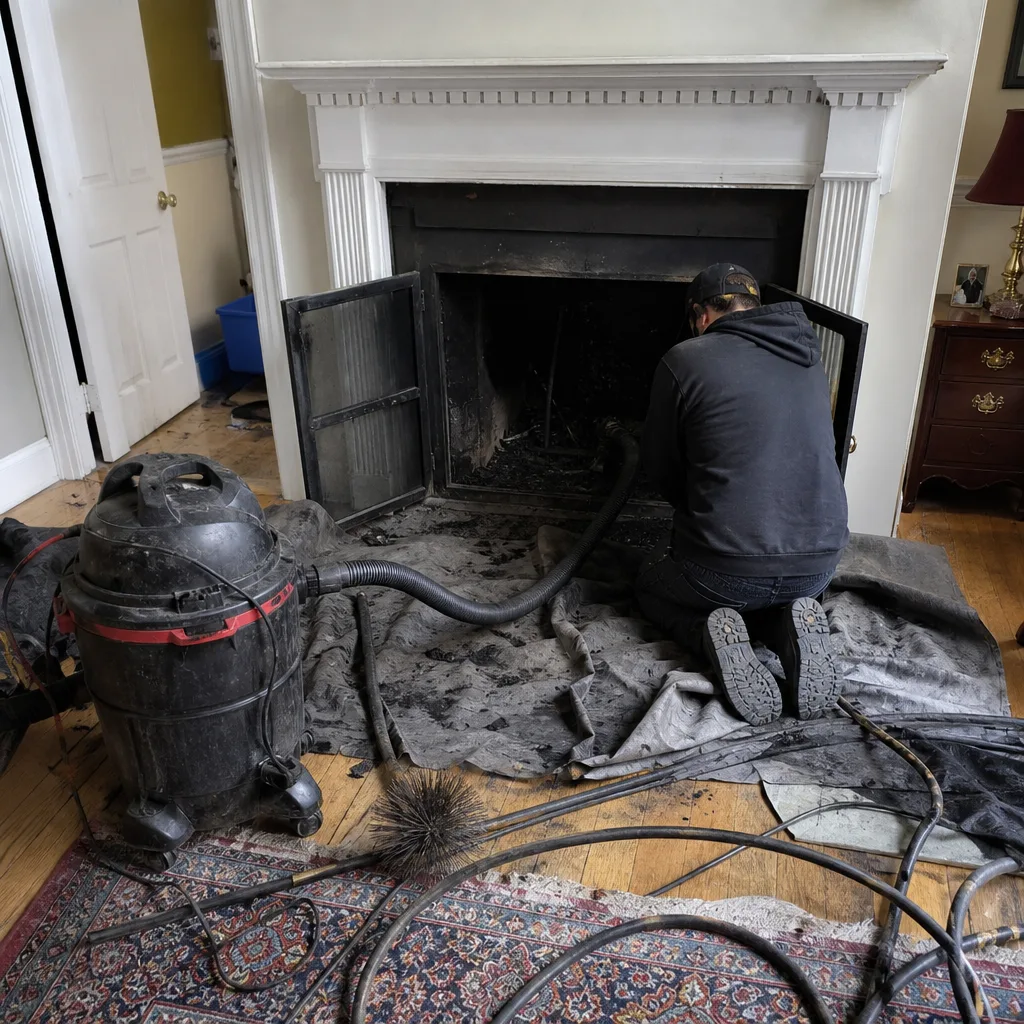 Before
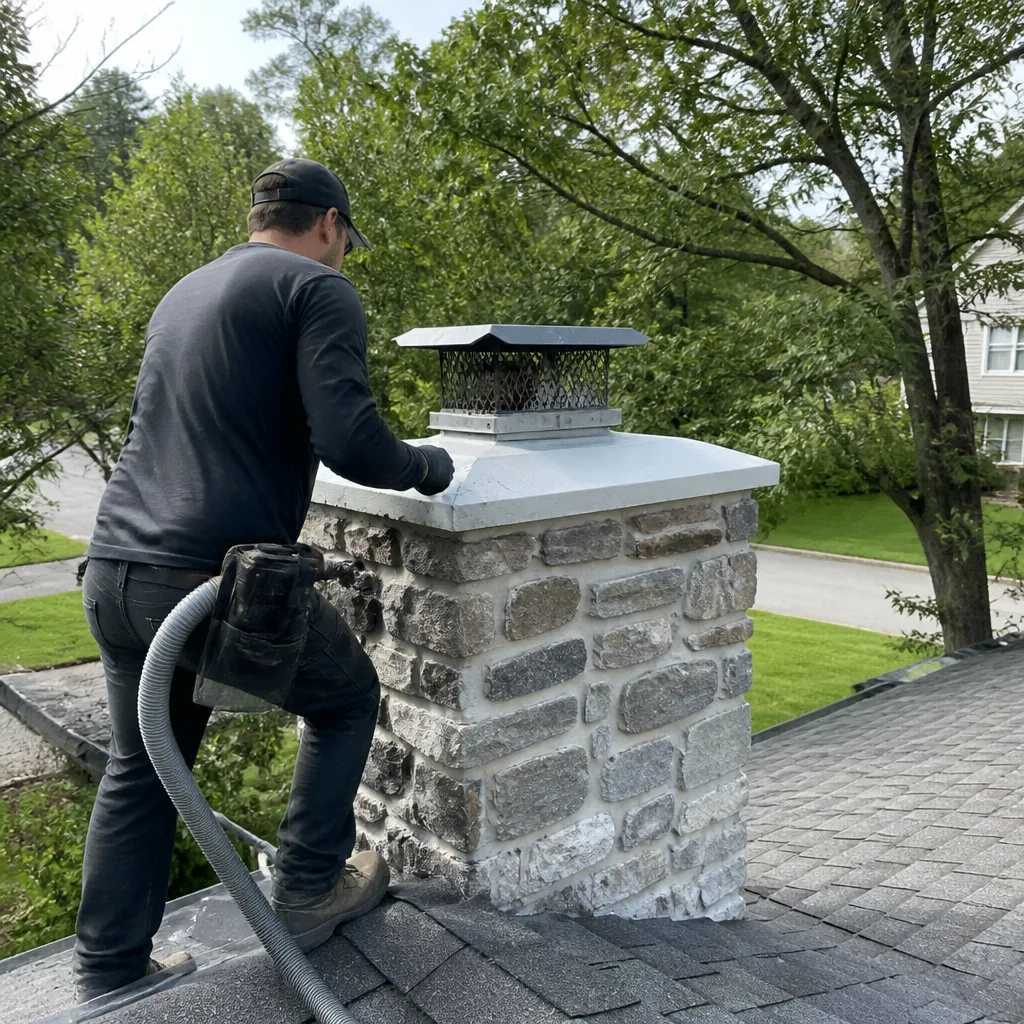 After
After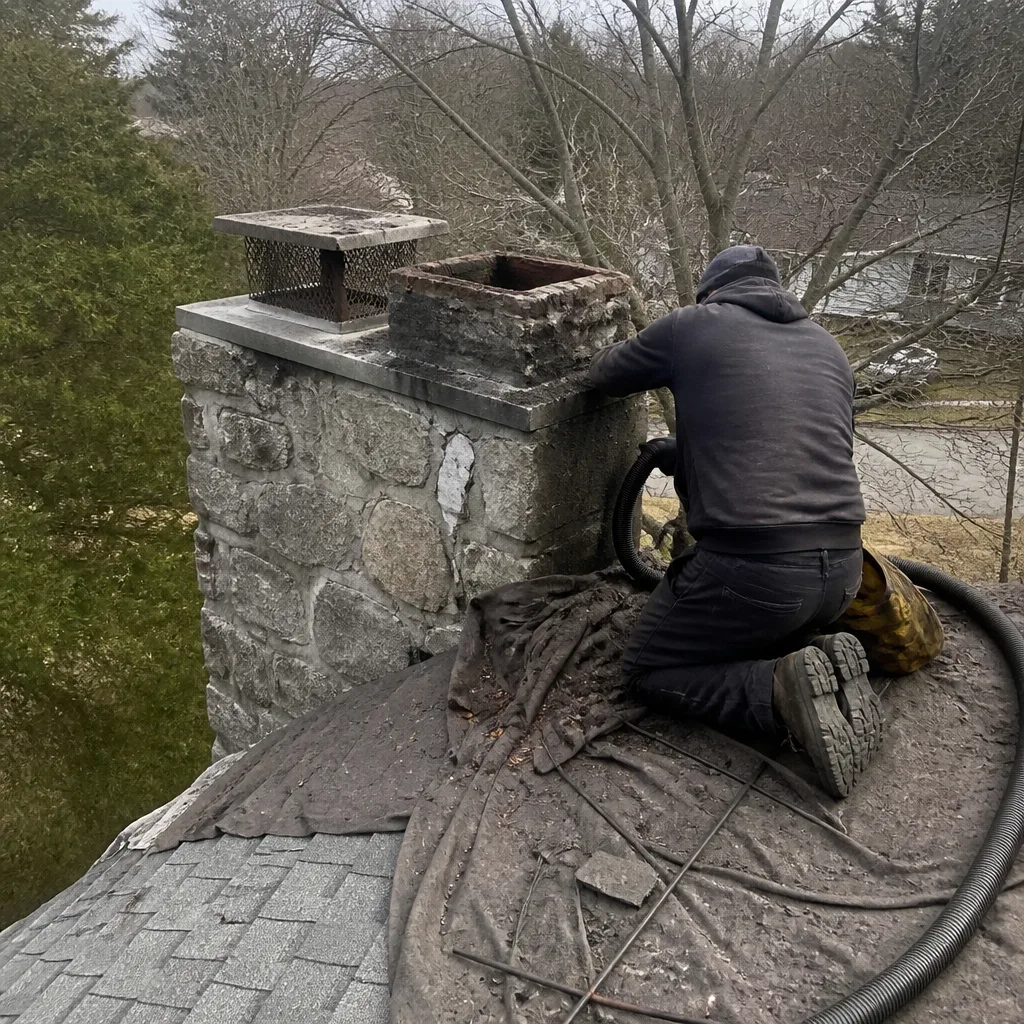 Before
 After
AfterChimney Cleaning & Sweep Maintenance Checklist for Chesterbrook Homeowners
Most published chimney checklists stop at “inspect the flue liner” - the same instruction whether your liner is clay tile, stainless steel, or cast-in-place, each of which fails in completely different ways. In Chesterbrook, where freeze-thaw cycles hit harder than in Philadelphia proper, a generic checklist can leave you with crown cracks that leak for two winters before you notice the water stain. Our Complete Guide to Chimney Cleaning in Chesterbrook pairs every inspection item with a plain-language verdict scale so you can read your own sweep report and know whether “light creosote deposits” is a watch item or a call-now situation. You’ll learn what each component should look like, how Chesterbrook’s climate accelerates specific failures, and what documentation to keep so you have a defensible maintenance history if your insurer ever asks.
Quick Answer
A proper Chimney Cleaning & Sweep maintenance checklist for Chesterbrook homeowners covers seven components - firebox, damper, smoke shelf, flue liner, crown, flashing, and cap - with clear pass/monitor/act thresholds for each. Annual NFPA 211 Level 2 inspection with camera documentation is the baseline; in Chesterbrook’s freeze-thaw climate, the crown and flashing typically need closer watching than in warmer markets. Keep dated photo records from every visit to build a maintenance history that protects your coverage.
Table of Contents
- Component-by-Component Checklist with Verdict Thresholds
- Creosote Stage Classification and Required Cleaning Methods
- How to Read Your Sweep Report: Contractor Language vs. Insurance Language
- Chesterbrook’s Freeze-Thaw Cycle and Accelerated Deterioration
- Record-Keeping Format: Building a Defensible Maintenance History
- Annual Maintenance Schedule for Chesterbrook Homes
- Common Mistakes to Avoid
- When to Call a Professional
- Frequently Asked Questions
 Before
 After
AfterComponent-by-Component Checklist with Verdict Thresholds
A checklist without thresholds is just a list of parts. Here’s what we look for during every Chimney Cleaning & Sweep in Chesterbrook, and what each finding means for your timeline and budget.
Firebox
The firebox is the brick or refractory chamber where combustion happens. We inspect the sidewalls, back wall, and floor for spalling (surface flaking caused by moisture penetration), cracked mortar joints, and deteriorated refractory panels in prefabricated units.
- Pass: All mortar joints intact, no spalling deeper than 1/8 inch, refractory panels without cracks or warping.
- Monitor: Hairline cracks in refractory panels, minor spalling on floor bricks. Schedule repair within 12 months; safe to burn with reduced frequency.
- Act: Missing mortar allowing gaps to combustible framing, spalling deeper than 1/4 inch, or cracked panels with visible gaps. Discontinue use until repaired - this is a fire-hazard condition under NFPA 211.
In our experience across Chesterbrook’s 1980s and 1990s construction stock, prefabricated fireboxes in homes built 1985-1995 often show refractory panel degradation before the 20-year mark. The panels are replaceable; we source through Olympia Chimney’s distribution network to match original specifications.
Damper
The damper regulates draft and seals the flue when not in use. A failed damper costs you heating dollars and can admit downdrafts that carry odors and debris.
- Pass: Opens fully, closes completely, no rust pitting, handle or chain operates smoothly.
- Monitor: Minor rust without pitting, slight misalignment that still seals. Address at next scheduled service.
- Act: Corrosion preventing full closure, broken frame, or missing components. A damper that won’t close is an energy and safety issue; one that won’t open is a carbon monoxide risk during operation.
Smoke Shelf and Smoke Chamber
The smoke shelf sits behind the damper, catching debris and directing smoke into the flue. The smoke chamber is the sloped area above it that funnels gases upward. Both are often neglected in basic inspections because they’re hard to see without a camera.
- Pass: Smooth parging (mortar coating), no buildup, proper slope toward flue.
- Monitor: Rough or partially deteriorated parging, minor soot accumulation. Parging can be restored with HeatShield chamber sealant; schedule within the burning season.
- Act: Exposed corbelled brick (the stepped brick pattern), significant gaps, or Class III creosote deposits. The smoke chamber is a common source of chimney fires; rough surfaces trap combustible deposits.
Clause 4 of the Haven Standard requires photo documentation of the smoke chamber on every Level 2 inspection - we’ve found significant defects here in roughly 15% of Chesterbrook homes built before 2000 that passed “flashlight inspections” elsewhere.
Flue Liner
The liner protects combustible framing from heat and contains combustion byproducts. Chesterbrook homes may have clay tile, stainless steel, or cast-in-place liners - each with distinct failure modes.
Clay tile liners: Check for cracked or missing tiles, spalled glaze, and mortar joint deterioration between tiles. A single cracked tile is monitor; multiple cracks or shifting tiles indicate liner failure requiring relining with a stainless steel system like DuraFlex.
Stainless steel liners: Inspect for corrosion pitting, seam separation, and proper connection to appliance. Monitor surface staining; act on pitting or gaps at joints.
Cast-in-place liners: Look for cracking, delamination, and exposed aggregate. These systems degrade differently than tile; hairline cracks may be monitor, but network cracking or spalling requires professional evaluation.
- Pass: Continuous, intact surface from top to bottom, no visible gaps or deterioration.
- Monitor: Single tile crack, minor staining, early corrosion on stainless. Document with photos and re-inspect in 12 months.
- Act: Multiple cracks, visible gaps to surrounding masonry, or any liner displacement. Discontinue use - liner failure is a leading cause of structure fires.
Crown
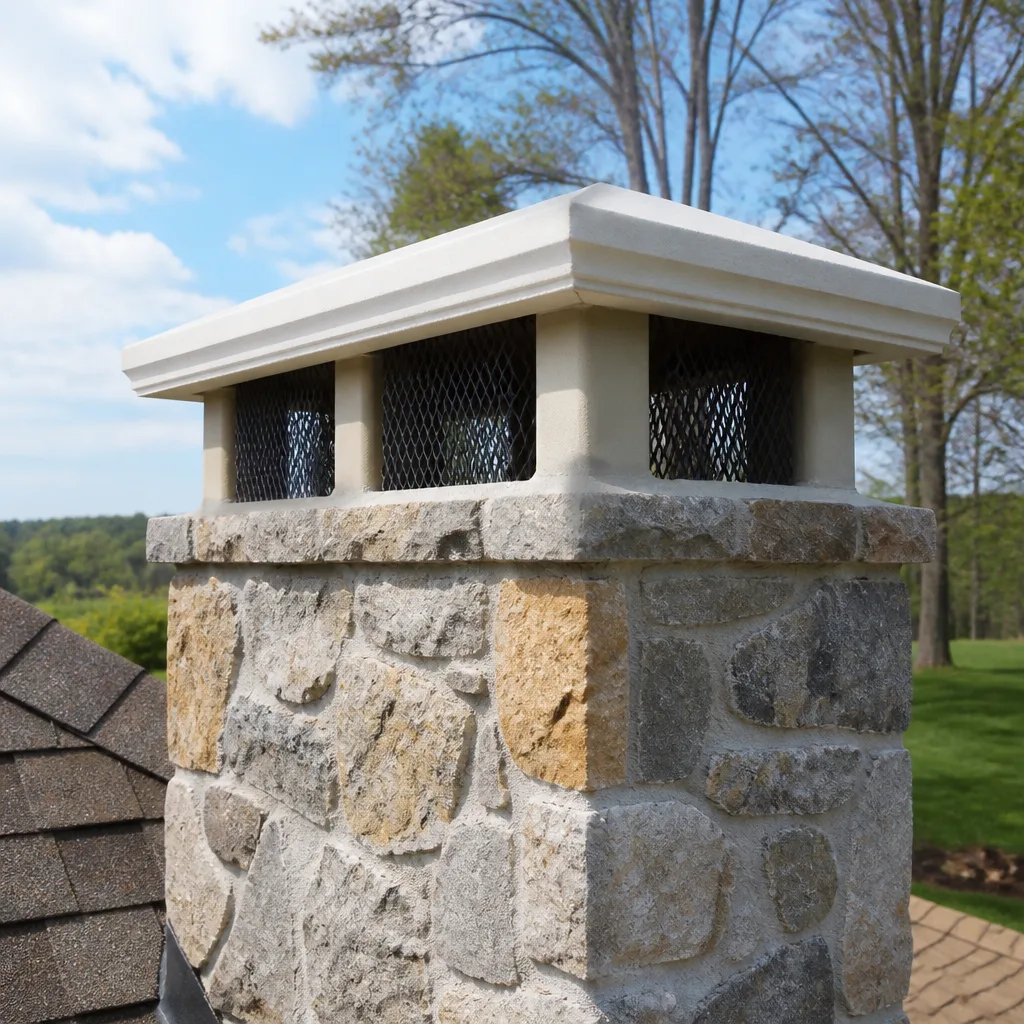
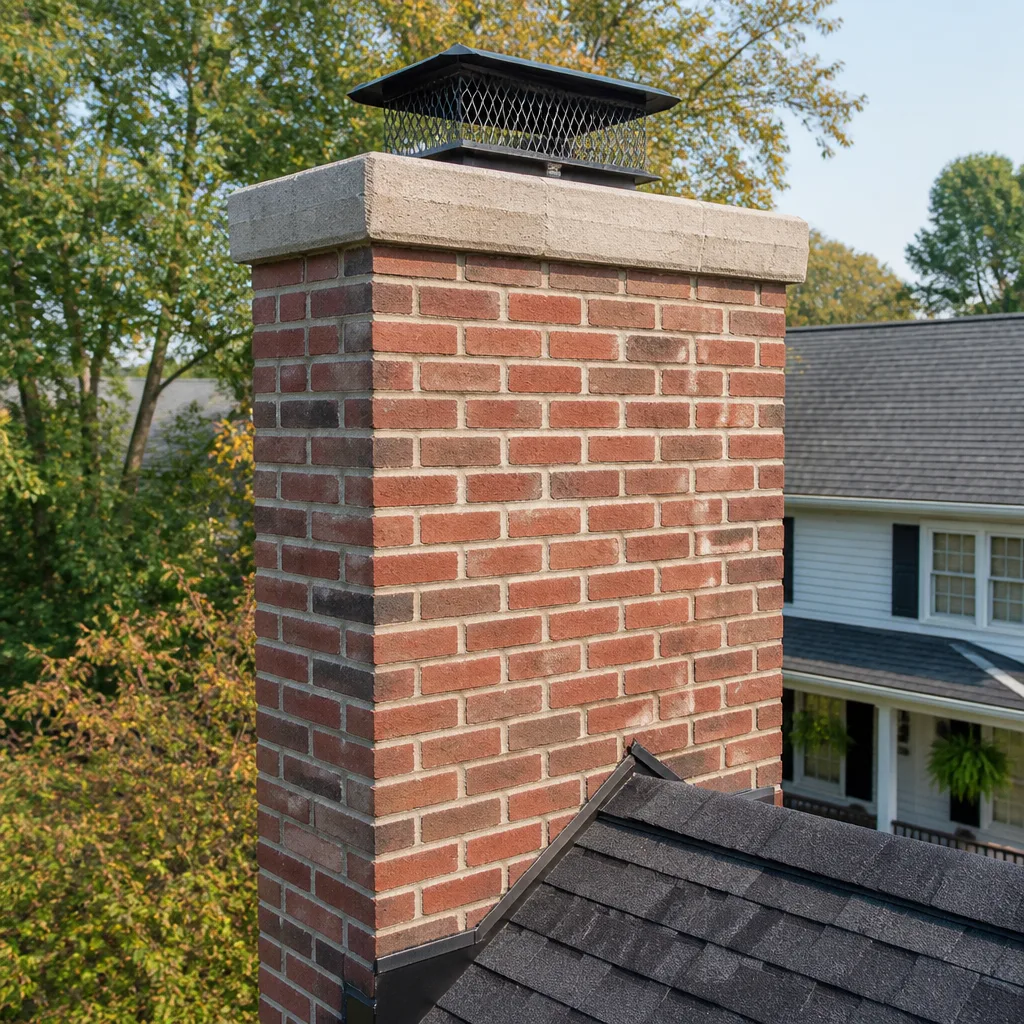
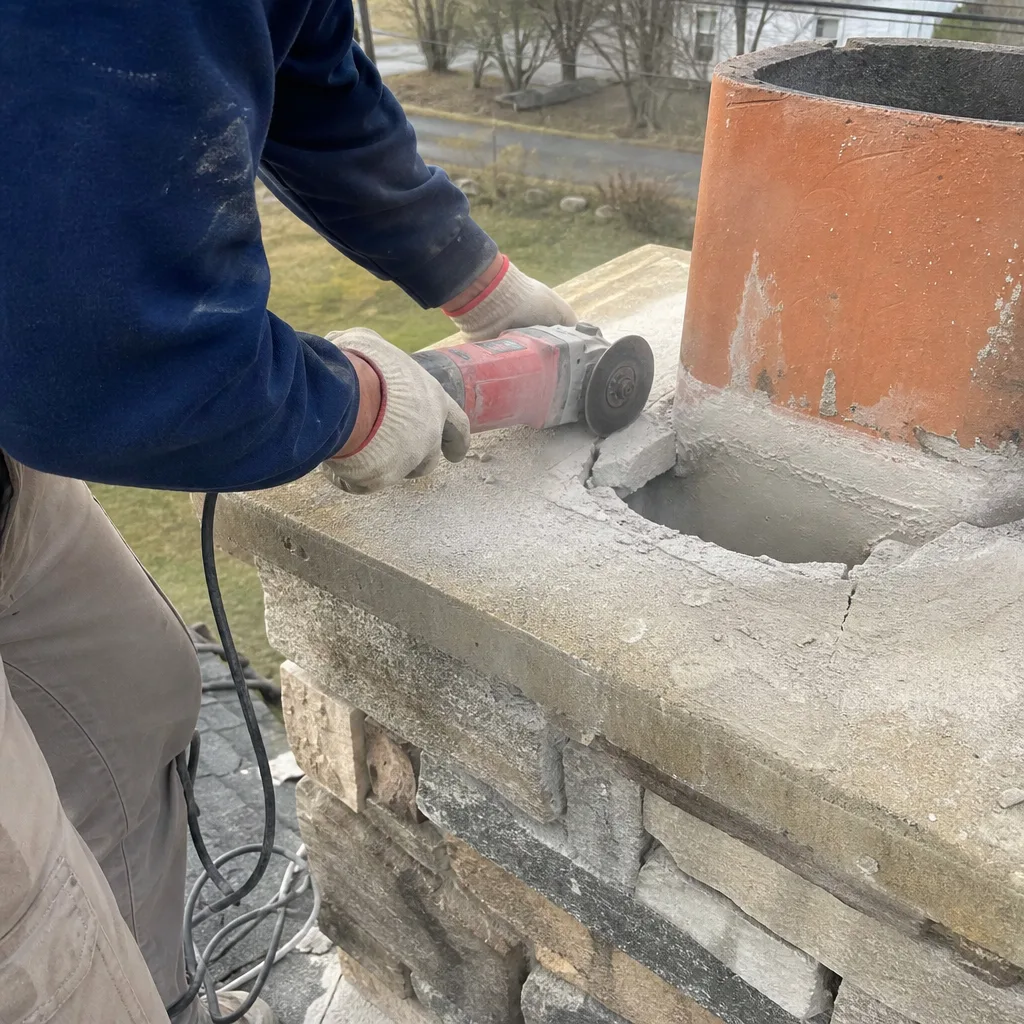
The crown is the concrete or mortar slab that seals the top of the chimney, shedding water away from the flue. In Chesterbrook, this is where freeze-thaw damage shows first and fastest.
- Pass: Intact surface, proper slope (minimum 1/4 inch per foot), drip edge directing water clear of masonry, no cracks wider than hairline.
- Monitor: Hairline cracks without displacement, minor edge chipping. Seal with crown coat material; re-inspect annually.
- Act: Cracks wider than 1/8 inch, spalling or crumbling surface, or slope failure allowing ponding. Water penetration accelerates exponentially once the crown is compromised; repair or rebuild before the next freeze cycle.
Flashing
Flashing is the metal intersection where the chimney penetrates the roof. It’s a common leak point and often misdiagnosed as a roof problem.
- Pass: Tight counter-flashing into mortar joints, intact step flashing under shingles, no corrosion, proper sealant at top edge.
- Monitor: Minor sealant cracking, slight lifting at corners. Re-seal and monitor; often a 2-year window before replacement needed.
- Act: Lifted or missing sections, rust-through, or visible gaps. Water intrusion at flashing damages roof decking, framing, and interior finishes - the repair cost multiplies quickly.
Cap
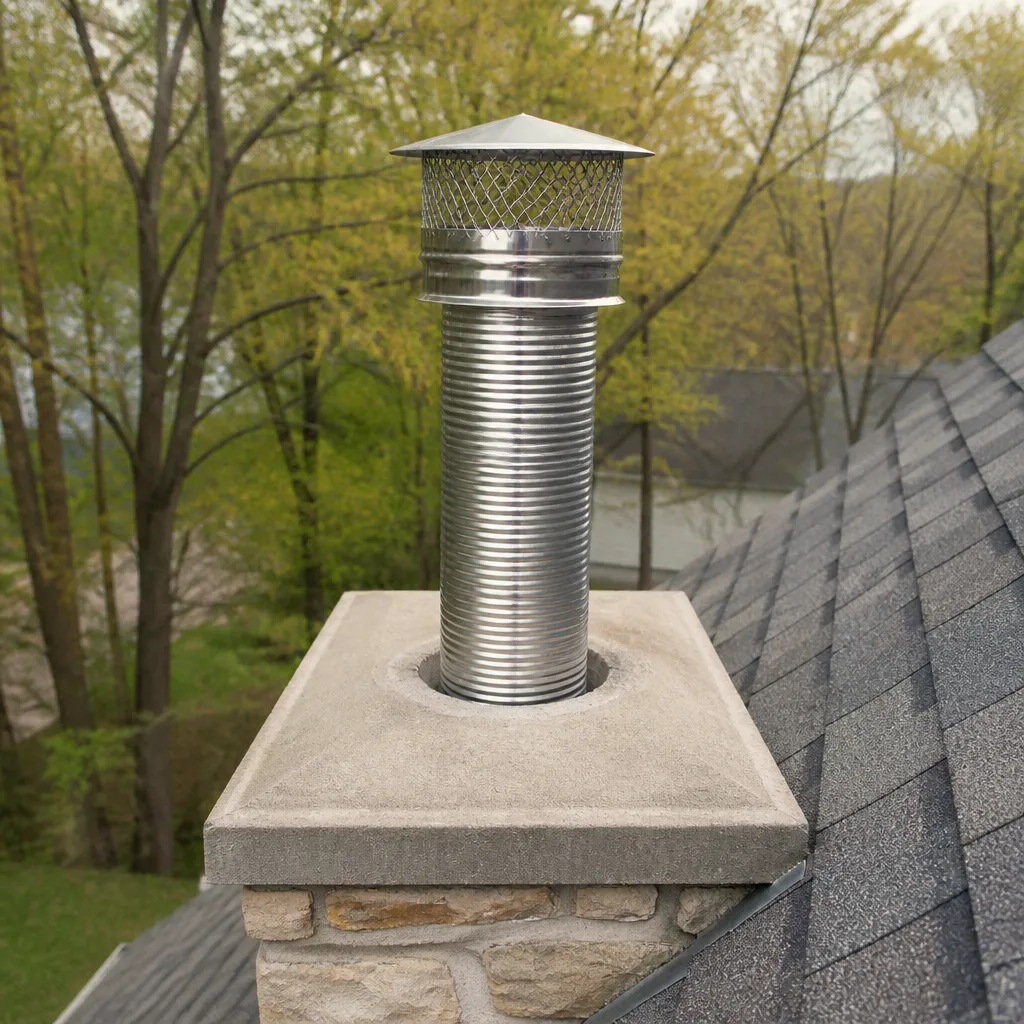
The cap covers the flue termination, keeping rain, animals, and debris out while allowing proper draft.
- Pass: Secure mounting, intact mesh screen (1/2 inch or smaller to exclude animals), no rust-through, proper clearance from flue opening.
- Monitor: Surface rust, minor mesh damage. Replace before the next burning season.
- Act: Missing cap, detached mounting, or damaged mesh allowing animal entry. An uncapped flue is an open hole in your roof; squirrels and raccoons in Chesterbrook’s wooded lots exploit these aggressively in fall.
Creosote Stage Classification and Required Cleaning Methods
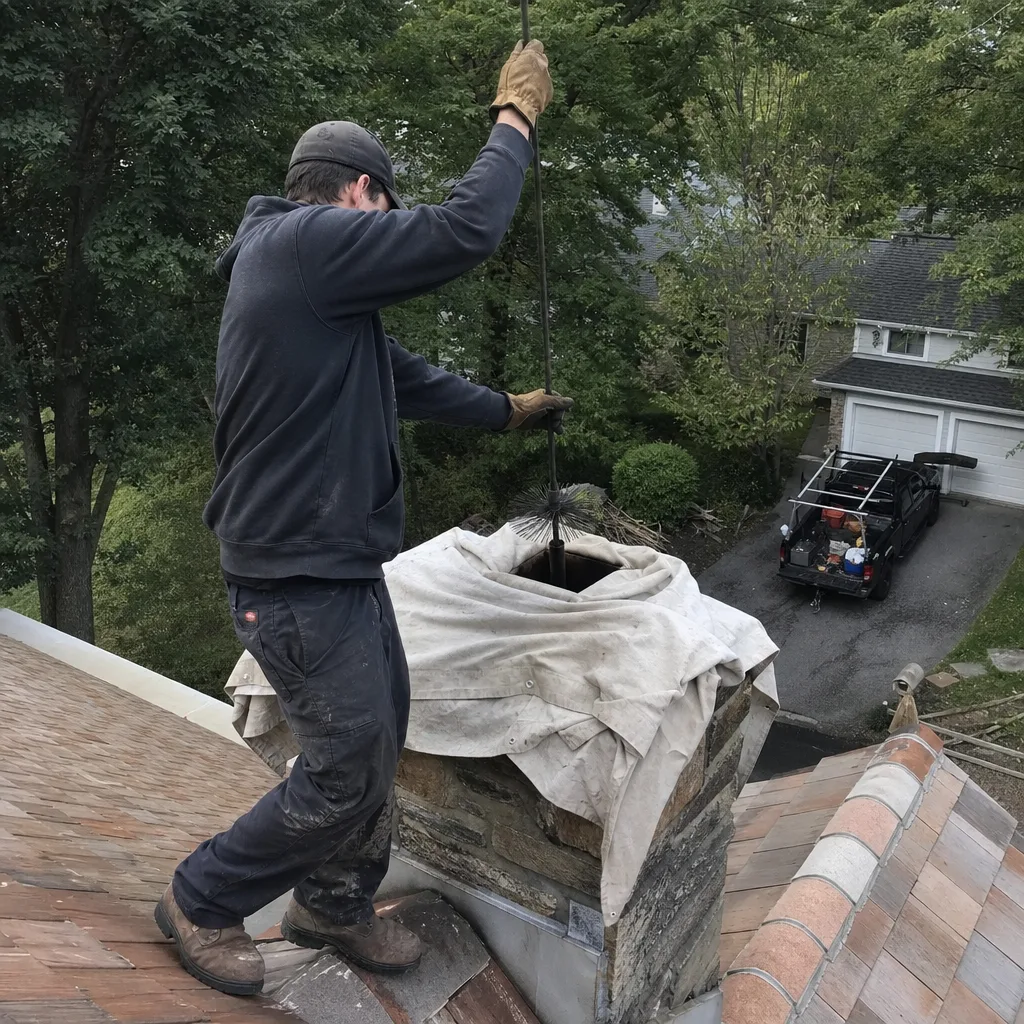
Creosote isn’t just “soot” - it’s a progressive deposit that changes composition and hazard level as it accumulates. Knowing the stage determines whether a standard sweep suffices or if more intensive treatment is needed.
Stage 1: Sooty or Powdery Deposits
Appearance: Black, dusty, brushes off easily. Composition: primarily carbon particles with volatile compounds.
Required method: Standard rotary or wire brush sweep with HEPA vacuum collection. This is routine maintenance. In Chesterbrook, where many homeowners burn seasoned hardwood from local suppliers, Stage 1 is typical after a season of normal use.
Action threshold: Any accumulation exceeding 1/8 inch warrants sweeping; even light Stage 1 can restrict draft and accelerate future buildup.
Stage 2: Granular or Crunchy Deposits
Appearance: Hard, porous flakes or granules, often shiny. Composition: partially pyrolized tar with higher ignition temperature than Stage 1 but more fuel mass.
Required method: Mechanical sweeping with chains or specialized whips, sometimes combined with chemical conditioners to soften deposits. This cannot be fully removed with standard brushes alone.
Action threshold: Stage 2 requires prompt cleaning - within 30 days of discovery if the chimney is in use. The granular form burns intensely once ignited and is the most common fuel in reported chimney fires.
Stage 3: Glazed or Hardened Deposits
Appearance: Shiny, tar-like, or ceramic-hard coating, often brown or black. Composition: fully pyrolized, nearly pure carbon with extremely high energy content.
Required method: Chemical treatment with professional-grade creosote modifiers, followed by mechanical removal after the prescribed dwell period. In severe cases, multiple treatments or partial liner replacement may be necessary. This is not a same-day service.
Action threshold: Stage 3 is an active hazard. Discontinue use immediately. The ignition temperature drops and burn intensity increases dramatically; a Stage 3 deposit can sustain a flue temperature exceeding 2,000°F.
We’ve encountered Stage 3 buildup in Chesterbrook homes where homeowners burned unseasoned wood or ran appliances at low draft for extended “overnight” burns. The condition is preventable with proper fuel and operating practice, but once present, it requires professional remediation. We document the stage with camera footage under Haven Standard Clause 4 so you have a dated record of both the condition and its resolution.
How to Read Your Sweep Report: Contractor Language vs. Insurance Language
The words on your sweep report matter when you file a claim or sell your home; for additional context, explore our more guides & resources. Here’s what three common verdicts actually mean, and how they’re interpreted by different readers.
“Serviceable” or “Acceptable”
Contractor meaning: The component functions as intended with no defects requiring attention. Safe to operate under normal conditions.
Insurance interpretation: Evidence of proper maintenance. Supports claim if loss occurs elsewhere in the system. Does not guarantee future condition.
Your action: File the report with your home maintenance records. No immediate work needed; next inspection per normal schedule.
“Monitor” or “Fair”
Contractor meaning: Defects present but not immediately hazardous. Component functions with reduced margin of safety or accelerated wear expected.
Insurance interpretation: Gray area. Some carriers may argue this constitutes “known defect” if loss occurs; others accept it as good-faith maintenance documentation. The difference often depends on whether you acted within a reasonable timeframe.
Your action: Schedule the recommended follow-up or repair within the timeframe noted. Document the date scheduled. If the contractor recommends re-inspection in 12 months, calendar it at 10 months to allow booking lead time.
“Recommend Repair” or “Unsatisfactory”
Contractor meaning: Defects exceed acceptable thresholds per NFPA 211 or manufacturer specifications. Safe operation requires correction.
Insurance interpretation: Strong evidence of due diligence if you act promptly. Conversely, documented recommendation without action may void coverage for related losses.
Your action: Obtain written estimate, schedule repair, retain all documentation. If the estimate exceeds your comfort level, our Free Second Opinion on Any Written Estimate applies - bring us a competitor’s written quote for comparison.
The critical distinction: contractor language describes condition; insurance language assigns responsibility. A report that says “monitor crown cracking” without a date or photo is weaker evidence than one that says “monitor - hairline cracks documented 11/15/2024, re-inspect recommended 11/15/2025” with embedded images. Clause 4 of the Haven Standard requires the latter format on every Level Two Chimney Chesterbrook report for this reason.
Chesterbrook’s Freeze-Thaw Cycle and Accelerated Deterioration
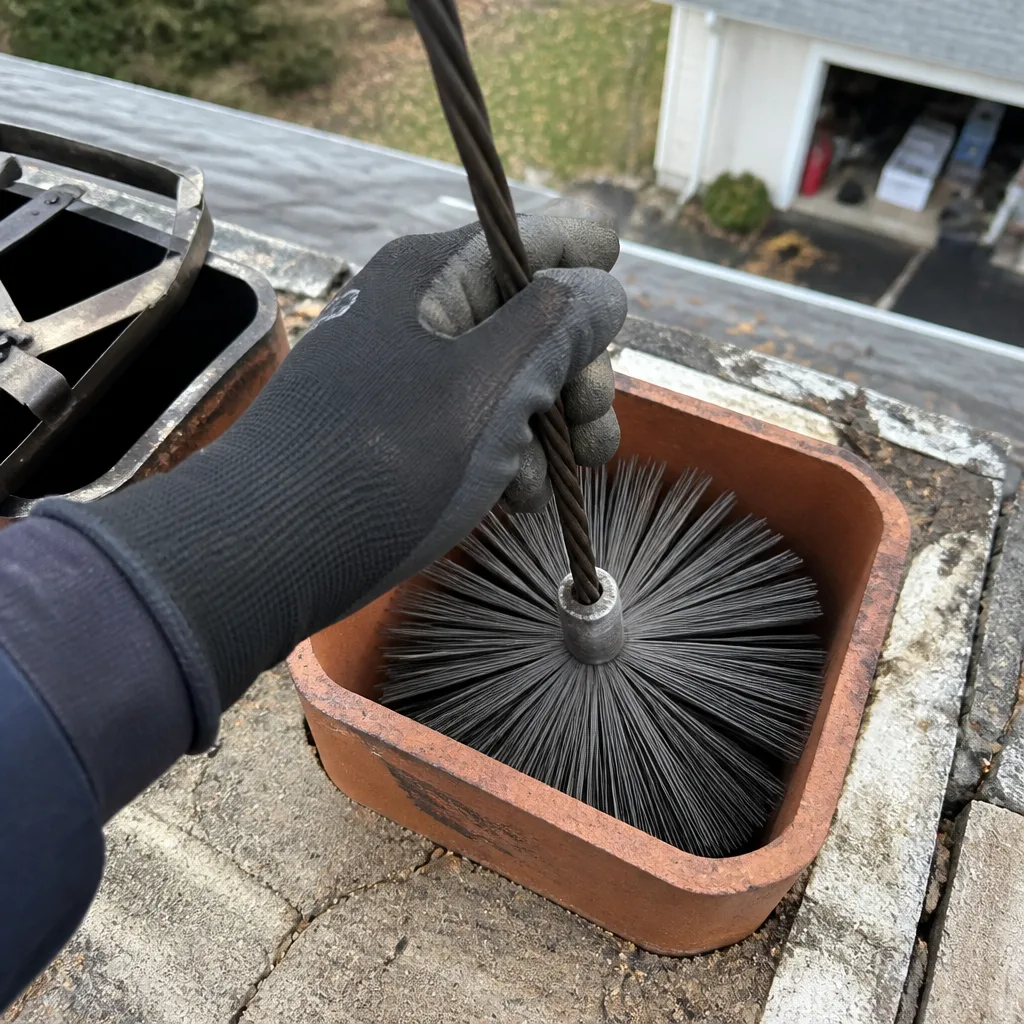
Chesterbrook sits in the transition zone between Philadelphia’s moderated temperatures and the harder freezes of Chester County’s interior. The local climate produces more freeze-thaw cycles than coastal markets and more rapid temperature swings than mountain regions - a combination that punishes chimney masonry.
Here’s the mechanism: water enters micro-cracks in the crown or mortar during rain or snow melt. Temperature drops below 32°F, water expands 9% by volume, and the crack widens. Next warming cycle, more water enters the larger crack. Repeat 40-60 times per winter in Chesterbrook’s typical pattern.
The result is accelerated deterioration compared to warmer climates:
- Crown cracks that might take 8-10 years to develop in Atlanta often appear in 4-6 years here.
- Flashing sealants lose flexibility faster in cold-flex cycling; the 20-year rated product may need attention at 12.
- Spalling brick on exposed chimney faces progresses from cosmetic to structural more quickly.
Neighborhood-specific factors matter too. Homes in the original Chesterbrook planned community (1980s construction) often have chimneys with original crowns that have endured 35+ winters without replacement - well past typical service life in this climate. Newer construction near Wilson Farm or along Route 252 may have different masonry specifications depending on builder and era.
Our recommendation for Chesterbrook homeowners: inspect the crown and flashing with particular attention in late fall, before the hard freeze season, and again in early spring after the cycle count peaks. The Chimney Repair in Chesterbrook page details our crown rebuild and flashing replacement protocols.
Record-Keeping Format: Building a Defensible Maintenance History
When an insurer asks for maintenance records after a chimney fire, “we had it swept sometimes” doesn’t protect your coverage. A documented history does. Here’s the format we recommend, based on what has actually satisfied carrier requests in our 38,000+ jobs since 2009.
- Service date and provider. Company name, technician name if assigned, and license information. Level Two Chimney Chesterbrook provides this on every invoice.
- Scope of work performed. “Chimney sweep and NFPA 211 Level 2 inspection” - not just “chimney service.” The distinction matters for code compliance.
- Component findings summary. Pass/monitor/act verdict for each major component, with specific language (not “looks good”).
- Photo or video record. Date-stamped images of flue interior, crown, firebox, and any defects found. We provide this as standard under Haven Standard Clause 4; if your sweep doesn’t, request it or find one who will.
- Written estimate for any recommended work. Itemized scope, materials specified (brand and model where applicable), labor breakdown, and warranty terms.
- Completion documentation for any work performed. Final invoice, warranty document, and post-work photos.
- Your own notes. Burning habits, fuel source, any operational issues observed (odor, draft problems, unusual sounds).
Store digital copies in cloud storage with automatic backup; keep physical copies with your home records. The goal is a continuous, unbroken chain from installation or first service to present. Gaps of more than two years between inspections raise questions; gaps with no documentation at all can void coverage.
Materials sourcing matters for warranty defensibility too. We procure through Haven’s buying network from DuraFlex, HeatShield, Gelco, and other specified manufacturers specifically to ensure traceable, warrantied components with published specifications an insurer can verify.
Annual Maintenance Schedule for Chesterbrook Homes
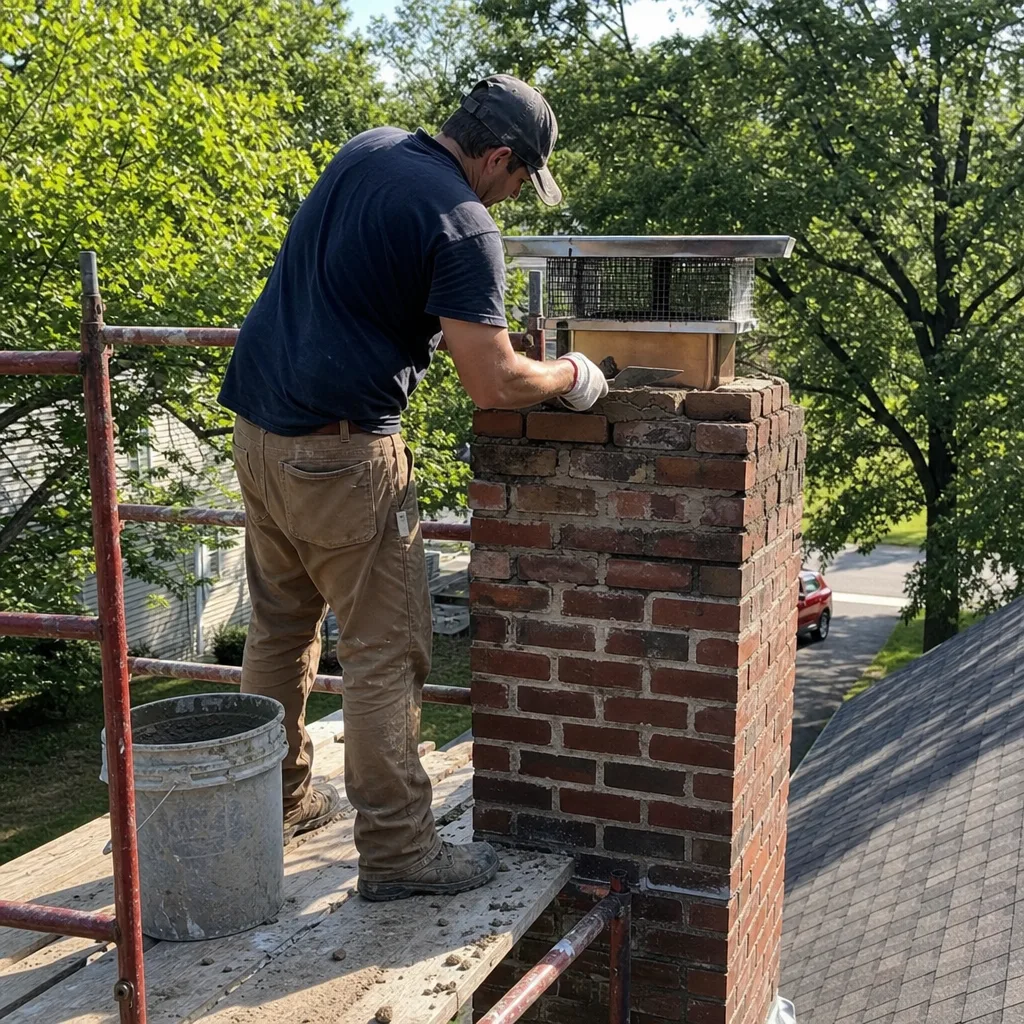
Timing matters as much as task completion. Here’s a season-by-season framework calibrated to Chesterbrook’s climate and burning patterns.
September: Pre-Season Inspection
Schedule your NFPA 211 Level 2 inspection before the first cold snap. This is our busiest season; booking by Labor Day typically secures your preferred date. The inspection covers all seven components, creosote stage classification, and documentation.
October-November: Address Findings
Complete any monitor or act items before regular burning begins. Crown sealing, damper repair, and cap replacement can usually be completed in this window. Liner work or extensive masonry may require scheduling into spring if materials lead times extend.
December-March: Burn Season Monitoring
Operate with awareness. Signs of developing problems include:
- Smoke rollout at startup (draft issue, possible blockage)
- Unusual odors, especially acrid or tar-like (creosote buildup or animal intrusion)
- Visible exterior staining below the crown (water penetration)
- Damper operation becoming stiff or noisy (corrosion advancing)
Any of these warrants a mid-season call. Our live phone support runs 24 hours a day, 7 days a week; you’ll speak to a person, not a voicemail system.
April: Post-Season Assessment
After your last fire, do a visual exterior check from ground level. Crown condition, cap position, and any new mortar or brick issues are visible without climbing. Document with your own photos for comparison year to year.
May-August: Off-Season Repairs
Schedule non-urgent work during lower-demand months. Pricing is stable year-round at Level Two Chimney Chesterbrook - we don’t use seasonal surcharges - but availability is better, and you’ll enter the next burn season with everything complete.
Common Mistakes to Avoid
- Hiring based on lowest price without verifying inspection standard. A “sweep” that doesn’t include camera inspection of the flue liner and smoke chamber misses conditions that a flashlight cannot reveal. The price difference often reflects scope omission, not efficiency.
- Burning unseasoned wood from Chesterbrook area tree services. Fresh-cut oak or maple reads 40-50% moisture; seasoned wood should read below 20%. Unseasoned wood produces Stage 2 and 3 creosote in a single season.
- Ignoring monitor findings until next year’s inspection. “Monitor” means act within 12 months, not “forget until reminded.” We’ve replaced crowns that were monitor-rated three years prior, with the homeowner surprised at the advanced deterioration.
- Assuming a home inspection at purchase suffices for chimney condition. General home inspectors visually examine chimneys from ground level or roof edge. They do not run cameras, classify creosote, or evaluate smoke chamber parging. A clean home inspection is not a clean chimney.
- Storing reports without reviewing the actual content. Many homeowners file the invoice and never read the findings page. The verdicts and recommendations are the value; the sweep itself is only the entry fee.
- Using the fireplace as a primary heat source without increased inspection frequency. Occasional ambiance burning and daily heating load produce radically different creosote accumulation. If you’re burning more than three times weekly, consider mid-season inspection.
- Failing to document DIY maintenance. If you clean the firebox or replace the cap yourself, photograph before and after, note the date, and keep receipts. Insurers may accept this as supplementary evidence, but undocumented claims of maintenance carry no weight.
When to Call a Professional
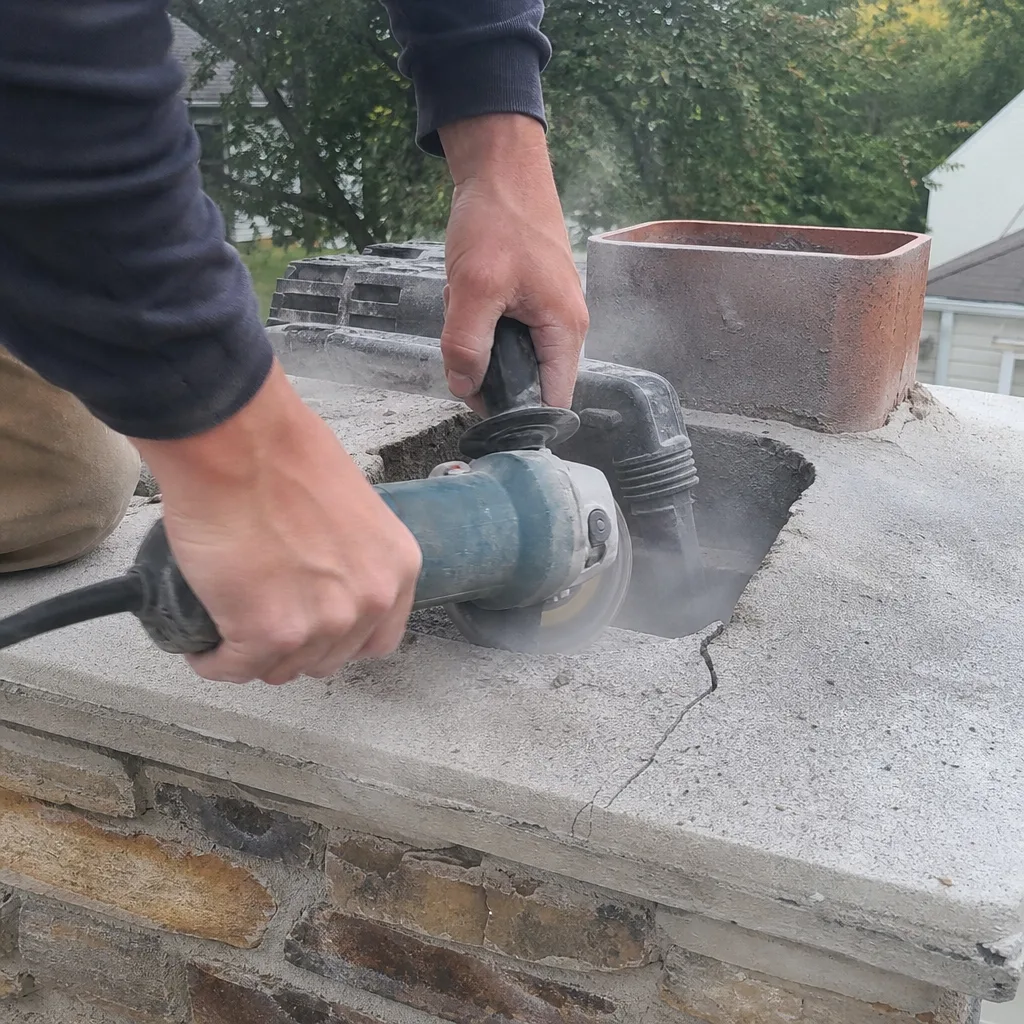
Some conditions require immediate professional evaluation: smoke entering the living space during operation, visible flames or glowing material in the flue exterior, sudden draft collapse, or structural damage from impact or weather event. These are safety emergencies; discontinue use and call.
For non-emergency concerns, the threshold is simpler: if you cannot verify the condition yourself with reasonable confidence, have it verified. The flue liner, smoke chamber, and crown top are not safely inspectable without proper equipment and training.
Level Two Chimney Chesterbrook home offers free estimates in Chesterbrook. Every estimate includes a written scope, written price, and written warranty before any work begins - Haven Standard Clause 1, no exceptions. Call (484) 806-9176 to schedule, or bring us a competitor’s written quote for our Free Second Opinion.
Frequently Asked Questions
A standard chimney sweep and NFPA 211 Level 2 inspection in Chesterbrook typically runs $275-$395 for a single flue system, depending on accessibility, appliance type, and creosote stage. Multi-flue chimneys, inserts, and Stage 2 or 3 creosote conditions require additional scope and are quoted in writing before work starts. We don’t quote over the phone without seeing the system; we do provide a firm written price on-site before any work begins, with no obligation. Call (484) 806-9176 for an appointment - estimates are free.
You need a new liner when the existing one is no longer structurally sound or appropriately sized for your appliance. Clay tile with multiple cracks, shifted tiles, or missing sections cannot contain heat and combustion byproducts. An oversized liner (common when switching from wood to gas without modification) causes poor draft and condensation damage. We document liner condition with camera footage and provide the specific code reference - typically NFPA 211 Section 11.2 - supporting any replacement recommendation. Nothing is recommended without camera evidence you can see for yourself.
NFPA 211 recommends annual inspection; cleaning frequency depends on use and fuel. A Chesterbrook home burning seasoned hardwood 2-3 times weekly typically needs annual sweeping. Daily use as primary heat may require mid-season cleaning. Gas appliances need less frequent mechanical cleaning but still require annual inspection for debris, animal intrusion, and venting integrity. The inspection determines whether sweeping is needed; we don’t sell sweeps to systems that don’t require them.
The progressive outcomes are: restricted draft and poor performance (months 1-2); accelerated creosote buildup progressing from Stage 1 to Stage 2 or 3 (one to two seasons); liner or masonry damage from moisture and thermal cycling (two to five years); and chimney fire or carbon monoxide intrusion risk (unpredictable, but probability increases with each neglected season). Insurance carriers increasingly deny claims where documented maintenance gaps exist. The cost of annual inspection is minor compared to any of these outcomes.
Level 1 is a visual examination of readily accessible portions - what you can see without tools or special access. Level 2 includes camera inspection of the flue interior, attic and crawl space access where safe, and evaluation of all components including the smoke chamber. Level 2 is required at property transfer, after chimney fire or weather event, and when changing appliance type. Level Two Chimney Chesterbrook performs Level 2 as our default because flashlight-visible inspection misses conditions we find routinely with cameras.
Firebox cleaning and cap maintenance are reasonable DIY tasks for able homeowners. Flue sweeping, liner evaluation, and smoke chamber inspection are not. The risk of incomplete creosote removal, undetected liner damage, or personal injury from roof work exceeds any cost savings. More critically, DIY work without professional documentation does not satisfy insurer maintenance requirements. We recommend homeowners handle visible, ground-level tasks and leave internal system evaluation to trained technicians with camera equipment.
Chesterbrook follows the Pennsylvania Uniform Construction Code, which adopts the International Residential Code with state amendments. Chimney work requires permits for structural modification, liner replacement, or new installation; maintenance sweeping and inspection do not. Tredyffrin Township, which encompasses Chesterbrook, enforces these provisions through its building department. We obtain required permits as part of our repair and installation scope and include permit documentation in your job record.
The Bottom Line
A useful chimney checklist tells you what a finding means, not just that you checked a box. The seven-component framework here - firebox, damper, smoke shelf, liner, crown, flashing, cap - with pass/monitor/act thresholds, gives you that context. Pair it with understanding of creosote stages, careful reading of your sweep report’s actual language, and disciplined record-keeping, and you have a maintenance practice that protects both safety and insurance coverage. Chesterbrook’s freeze-thaw climate demands closer attention to crown and flashing than warmer markets; the inspection schedule should reflect that reality.
Since 2009, Level Two Chimney Co. has completed more than 38,000 chimney inspections and cleanings, every one with a written price before work started and a documented photo record when done. The 365-Day Done Right Promise applies to every job. If you’re due for inspection or have a report you need help interpreting, call (484) 806-9176. Estimates are free, and we answer live 24 hours a day, 7 days a week.
Written by Corrine Halstead, Owner at Level Two Chimney Chesterbrook, serving Chesterbrook since 2009.