
Last updated September 22, 2026
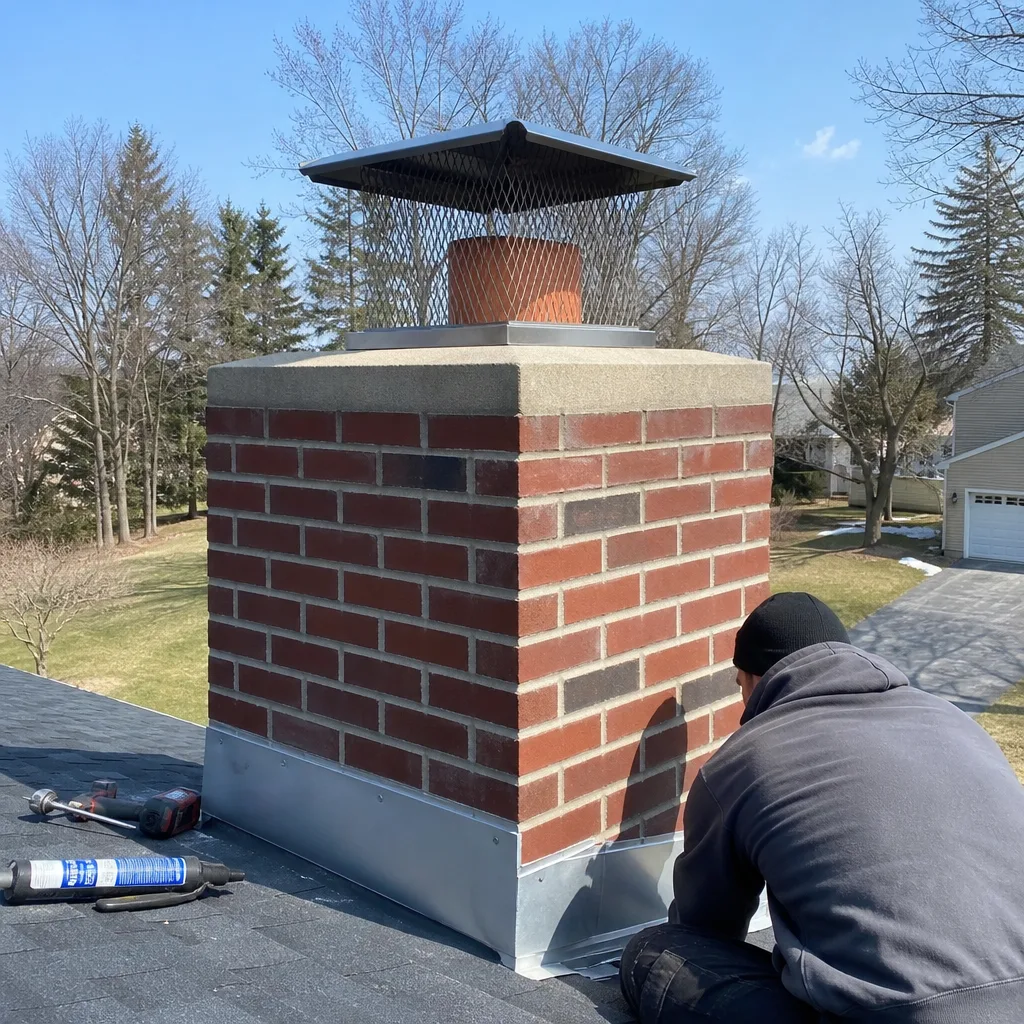
Level 1 sweep and inspection to the NFPA 211 annual standard - flue, crown, cap, and flashing checked and photographed
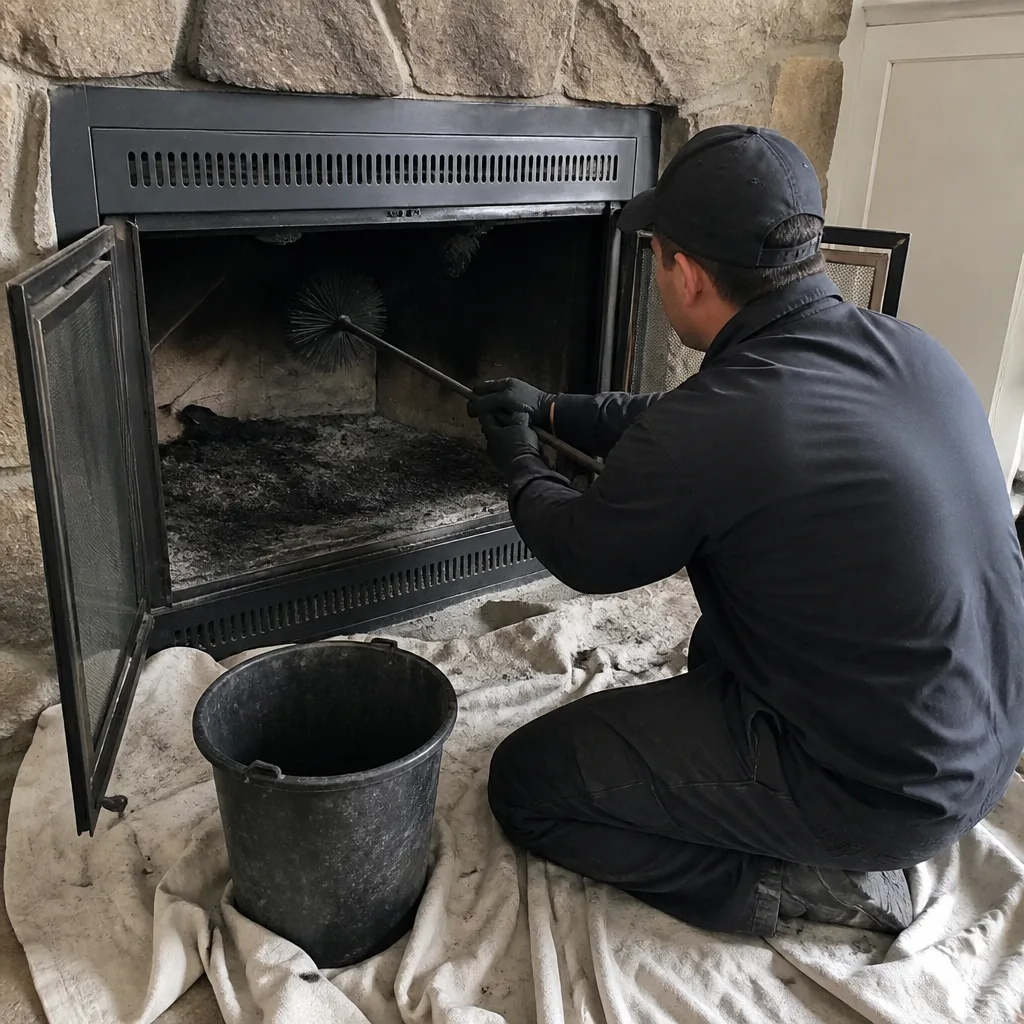
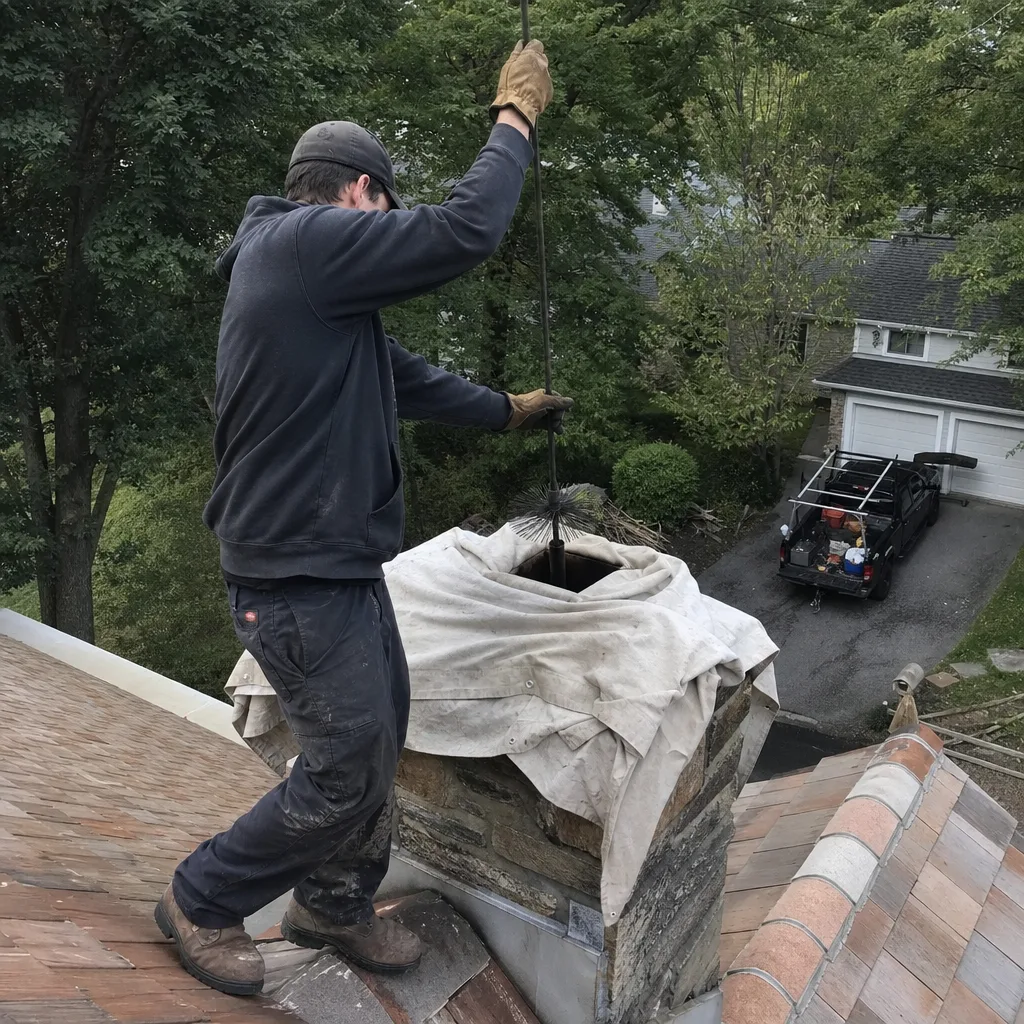
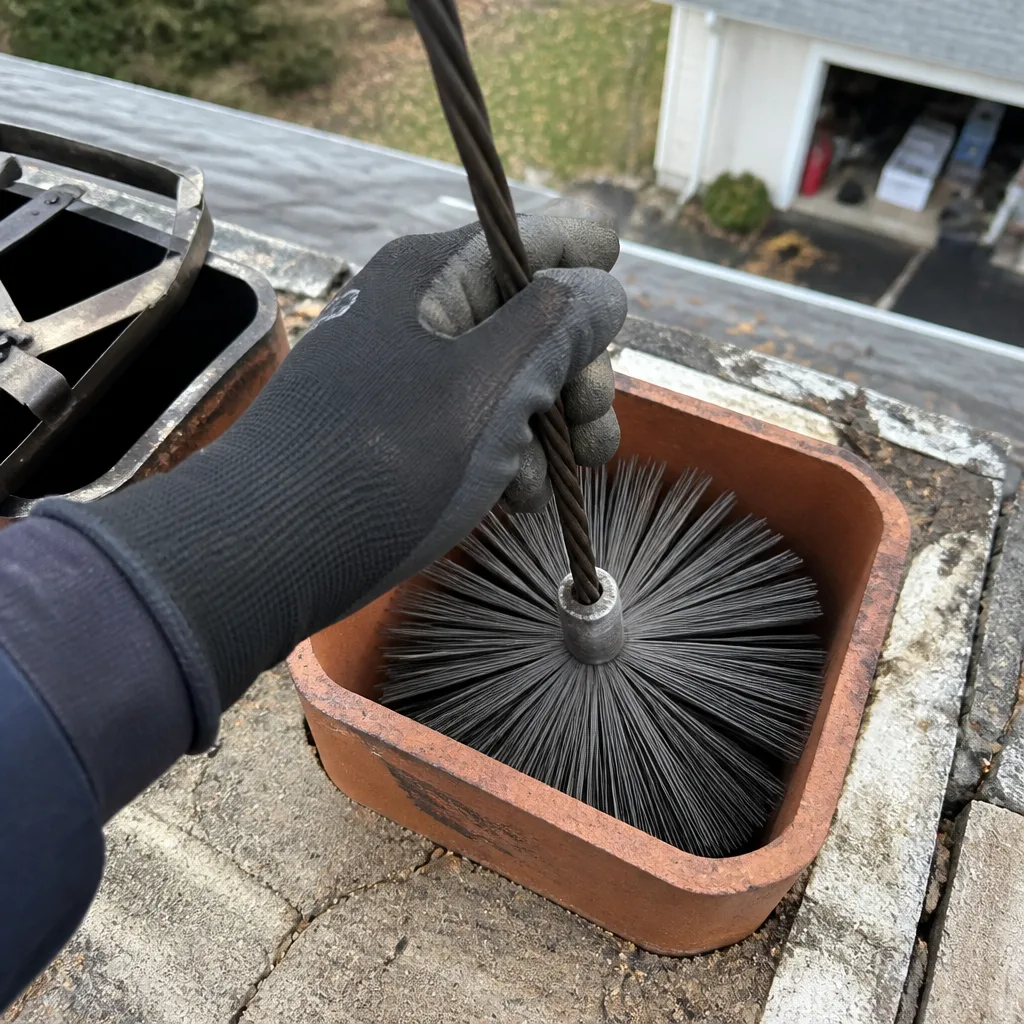
Chimney sweep logs do not sweep chimneys. They loosen some creosote - which then falls where a brush and vacuum still have to collect it.
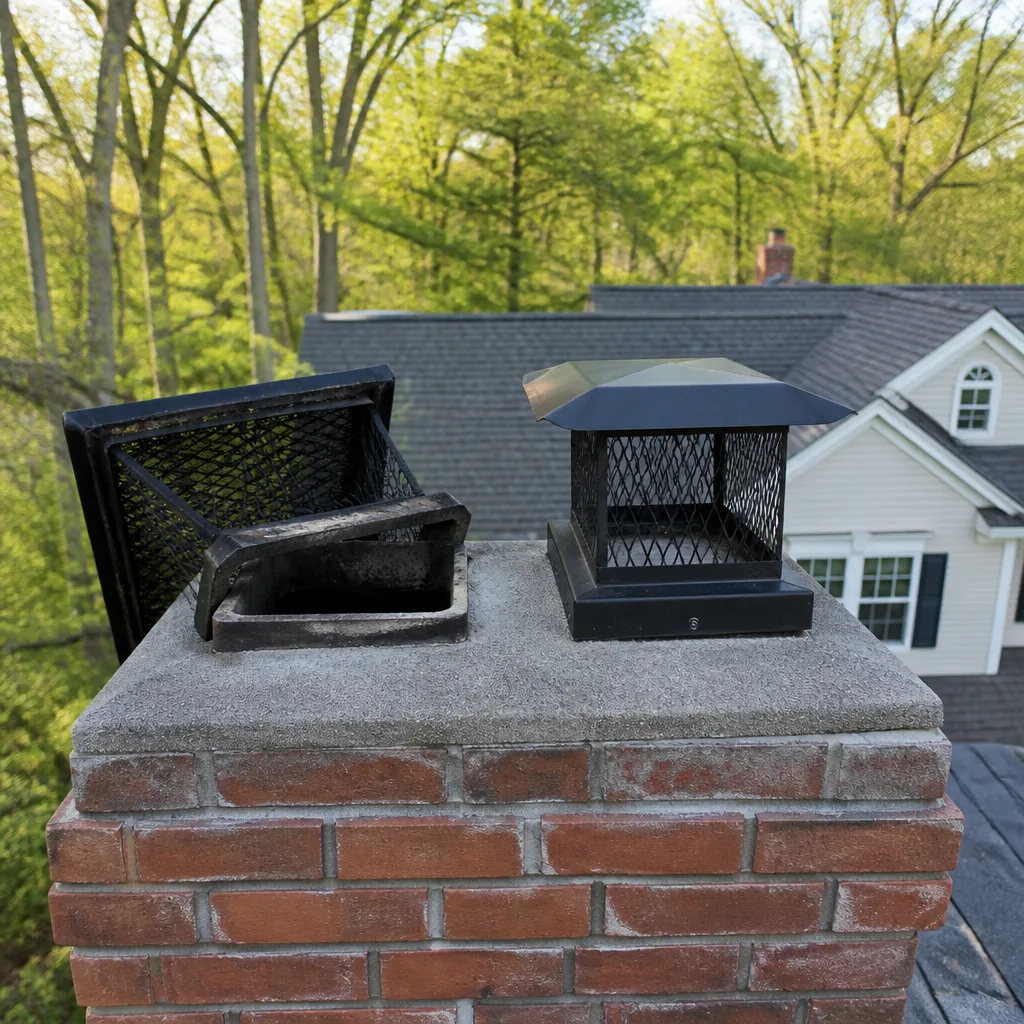
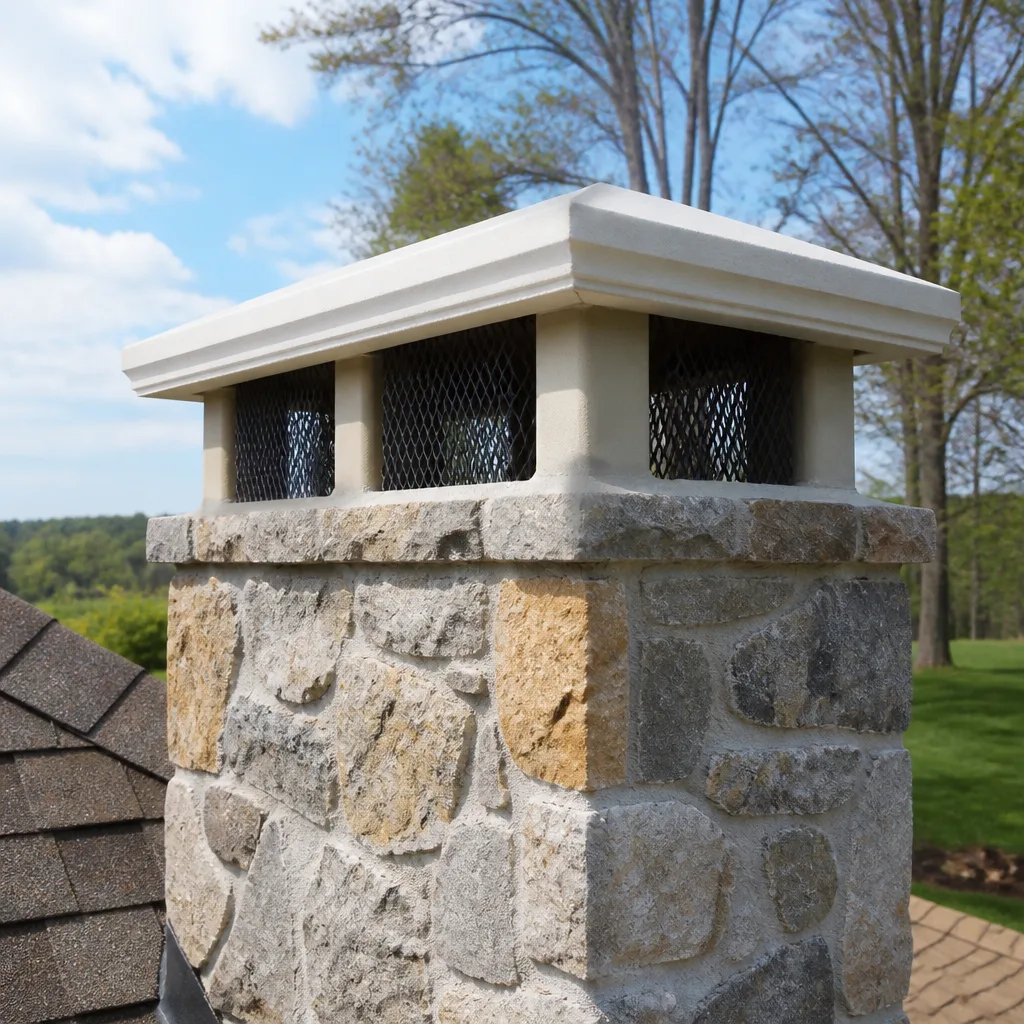
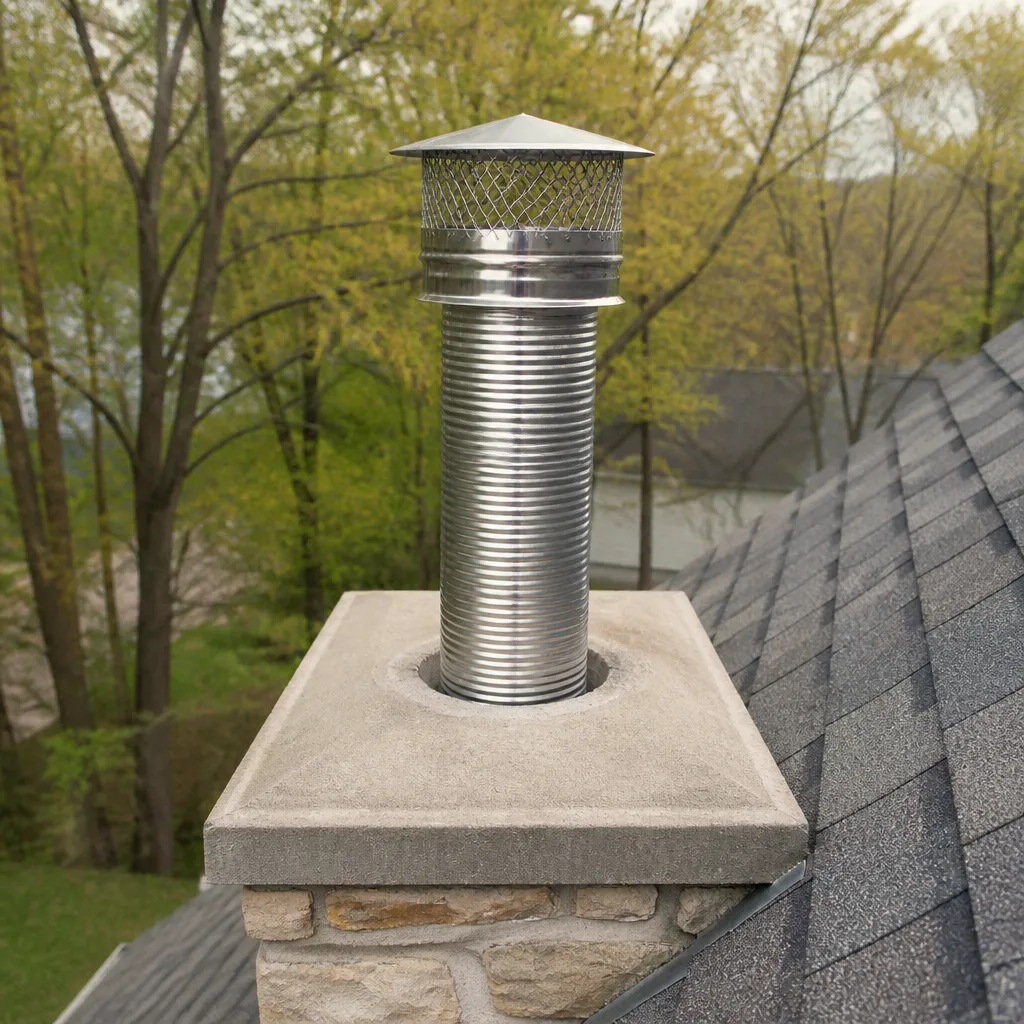
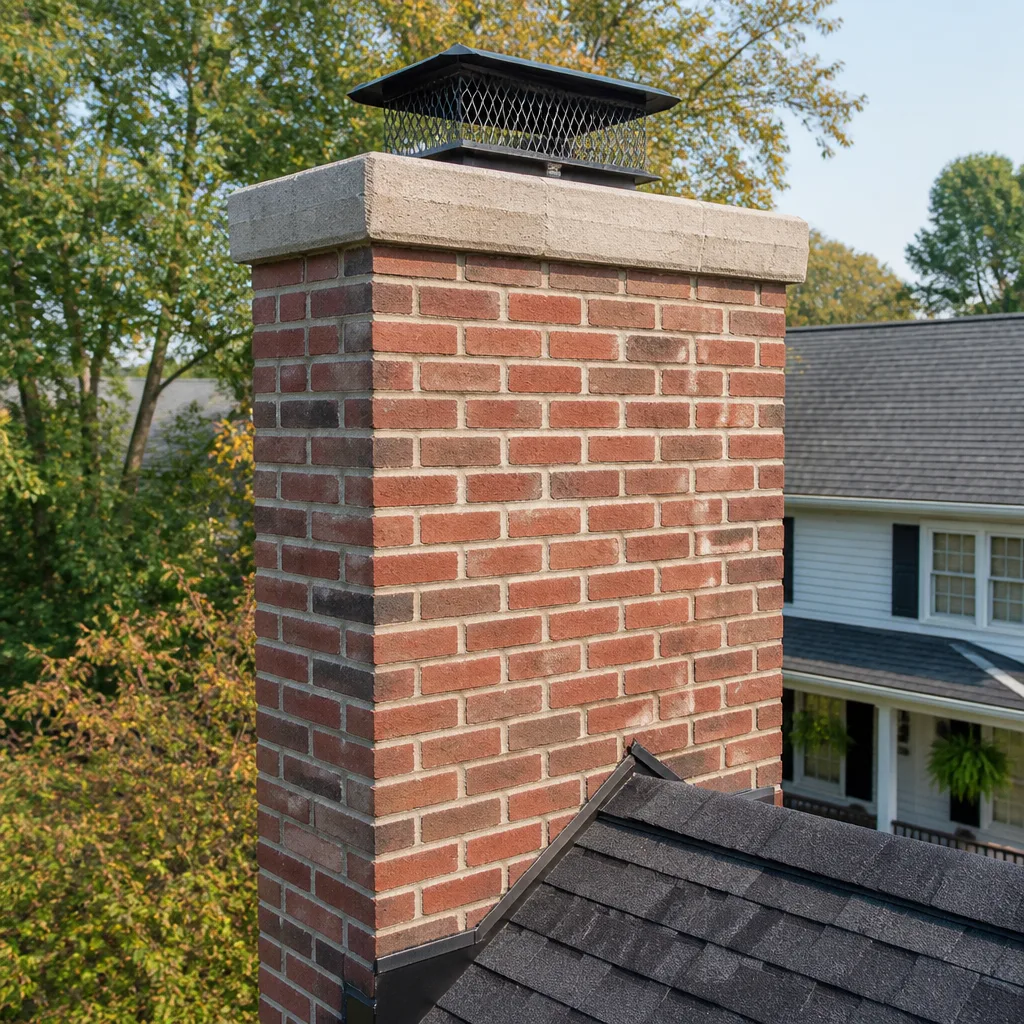
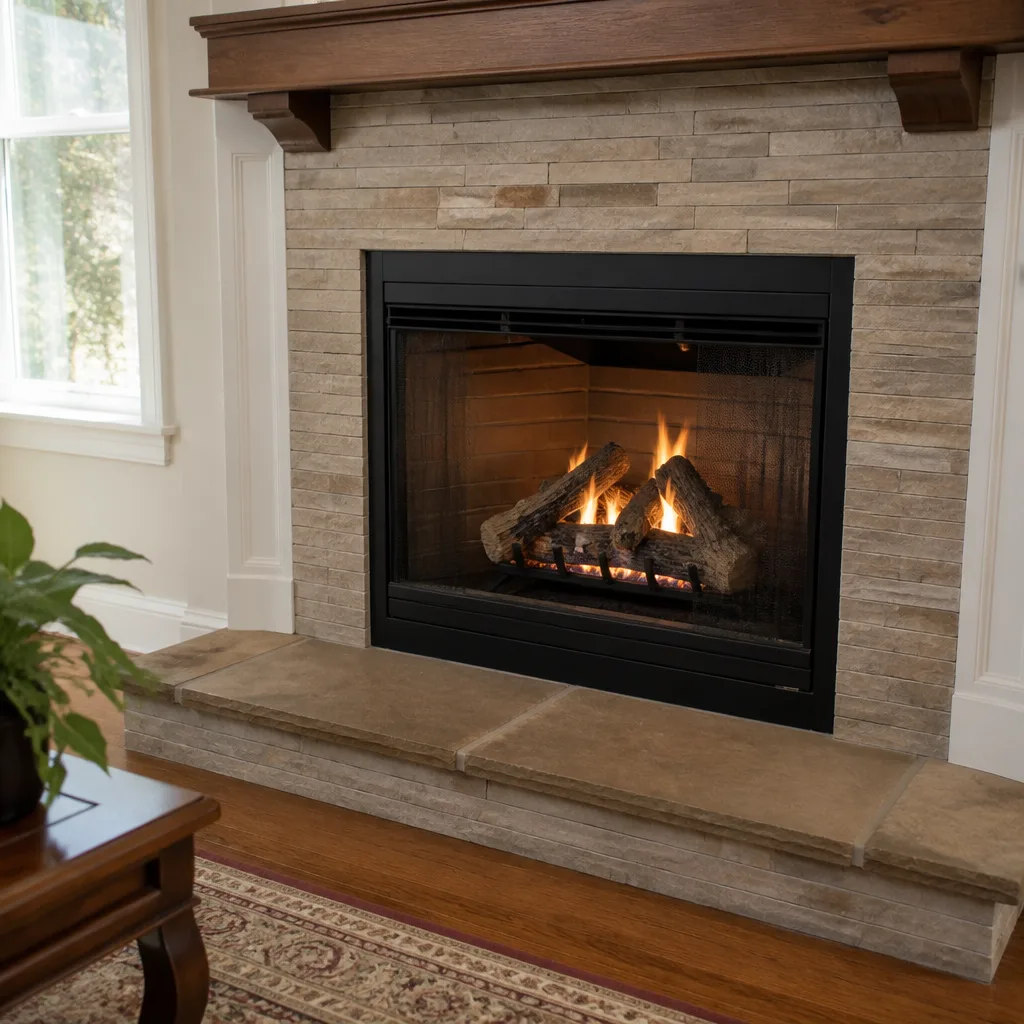
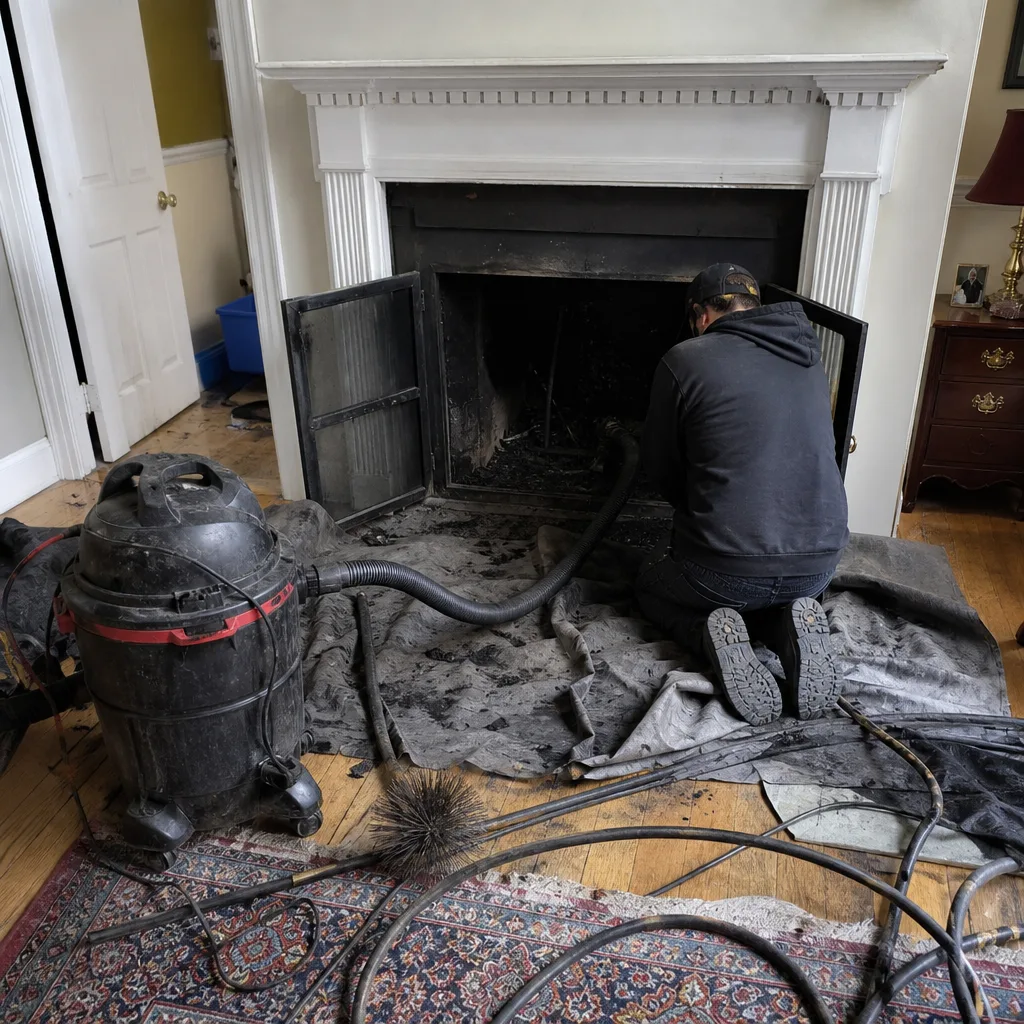 Before
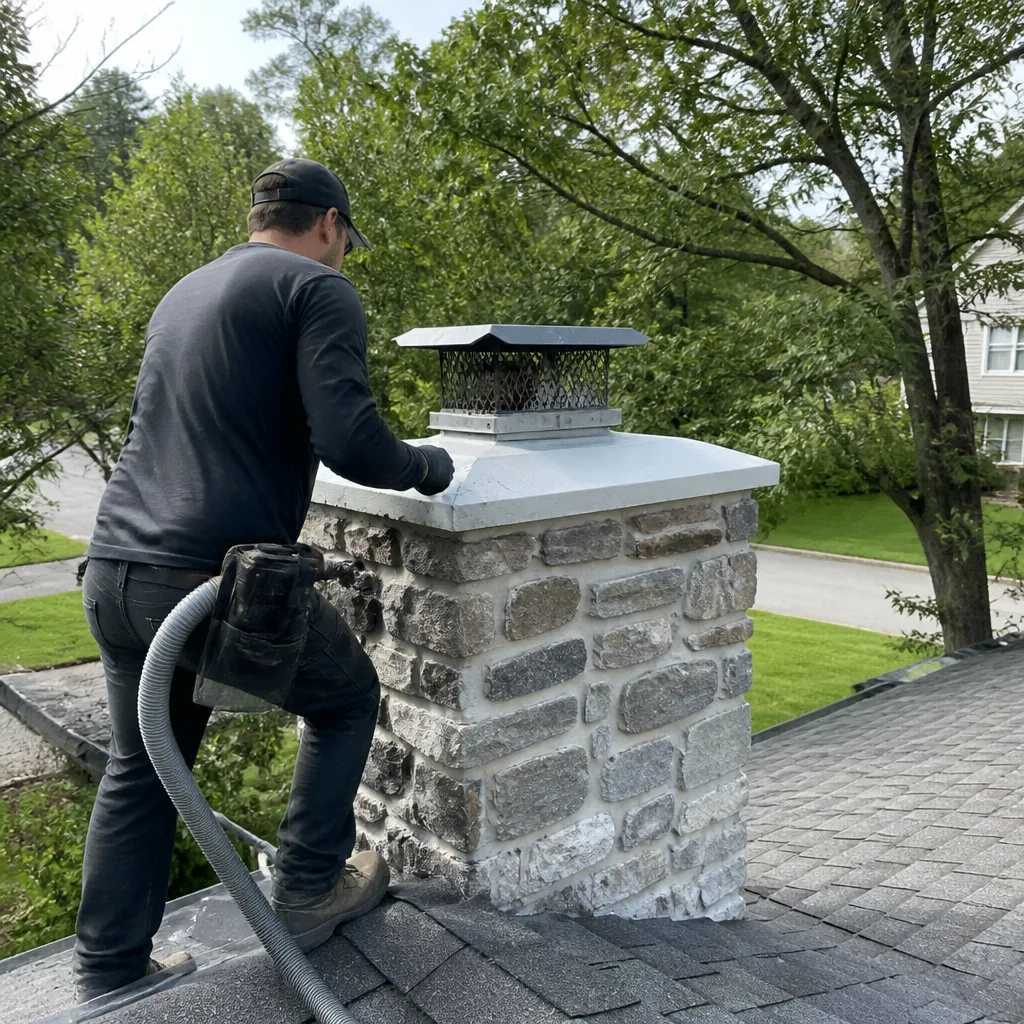 After
After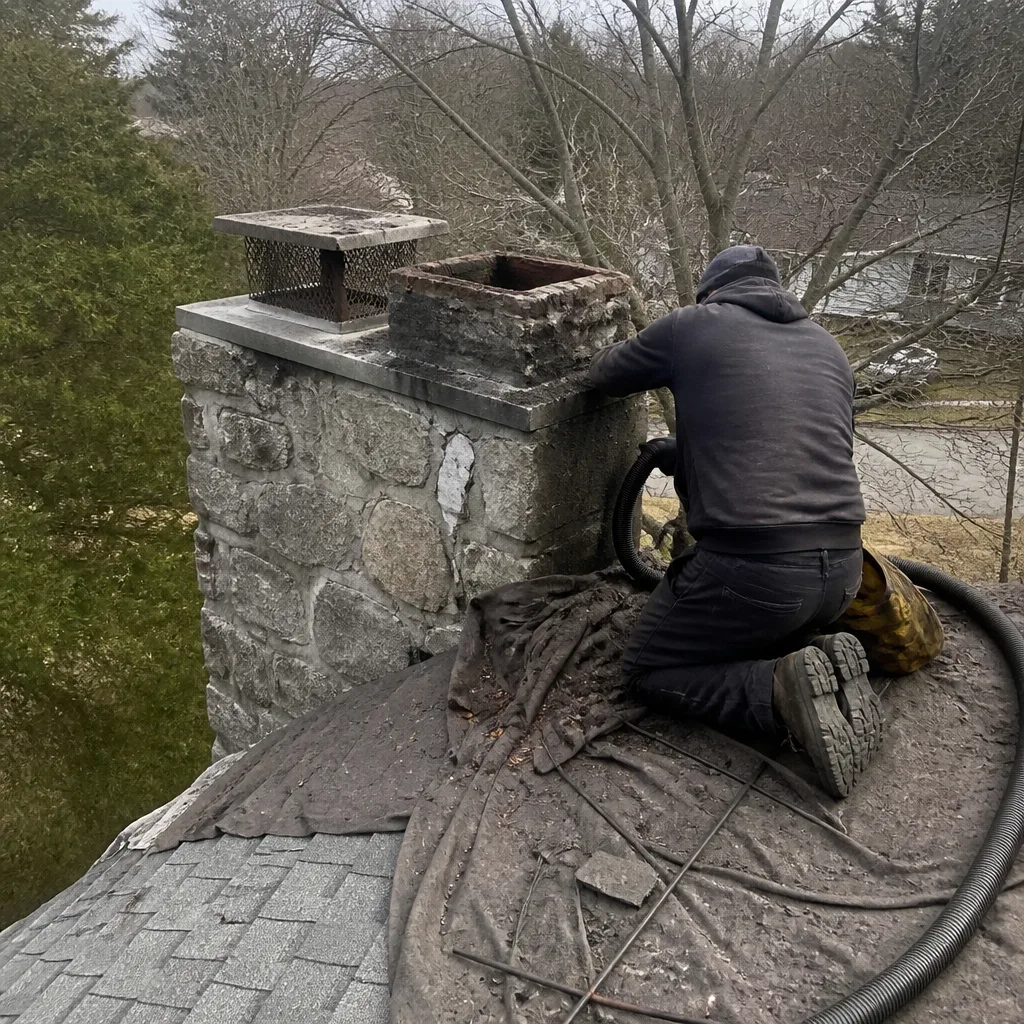 Before
 After
AfterChimney Cleaning Permits, Codes & Inspections in PA: What You Need to Know
Here’s the surprise most Pennsylvania homeowners discover too late: the chimney sweep itself requires zero paperwork, but the problems that sweep finds can trigger a cascade of permits, inspections, and insurance documentation that determines whether you’re covered when it matters. In Chesterbrook, where Tredyffrin Township enforces the Uniform Construction Code with the same thoroughness it applies to historic district reviews, an unpermitted liner replacement can stall a home sale or void a fire claim. We’ve completed more than 38,000 chimney inspections since 2009, and the calls that keep us up at night aren’t from dirty flues - they’re from homeowners who learned about permit requirements after the work was already done. For a deeper look at what proper maintenance involves, see our Complete Guide to Chimney Cleaning in Chesterbrook.
Quick Answer
Chimney cleaning and sweeping in Pennsylvania requires no state or local permit. However, structural repairs, liner replacements, and chimney rebuilds almost always require a township building permit under the Uniform Construction Code. A Chimney Cleaning & Sweep in Chesterbrook that uncovers Class III creosote or a deteriorated flue liner typically leads to repair work that does need permitting - and your homeowner’s insurance may require NFPA 211 Level 2 documentation to honor any future claim.
Table of Contents
- What Pennsylvania’s Uniform Construction Code Actually Requires
- Which Chimney Jobs Need a Permit in Chesterbrook and Tredyffrin
- NFPA 211 Level 2: The Inspection Standard Written Into Law
- How Permit Records Affect Home Sales in Chesterbrook
- What Your Insurance Carrier Requires After a Chimney Fire
- When Real Estate Triggers a Mandatory Level 2 Inspection
- Common Mistakes to Avoid
- When to Call a Professional
- Frequently Asked Questions
- The Bottom Line
 Before
 After
AfterWhat Pennsylvania’s Uniform Construction Code Actually Requires
Pennsylvania adopted the Uniform Construction Code (UCC) in 2004, replacing the patchwork of municipal building codes with a statewide standard enforced at the township level. For chimney systems, the UCC doesn’t stand alone - it references NFPA 211, the National Fire Protection Association’s standard for chimneys, fireplaces, vents, and solid fuel-burning appliances. This matters because NFPA 211 defines three levels of inspection, and the UCC’s adoption of the standard means Level 2 isn’t a premium upsell. It’s the documented baseline for any evaluation that goes beyond a routine cleaning.
The UCC applies to “construction, alteration, repair, or demolition” of structures. Routine chimney maintenance - removing soot, clearing obstructions, evaluating creosote accumulation - falls outside this definition. But the moment a technician identifies a component that needs replacement or repair, the UCC activates. In Chesterbrook and across Tredyffrin Township, this means the homeowner or contractor must apply for a building permit before work begins.
Here’s where Pennsylvania’s approach differs from neighboring states. New Jersey and Delaware maintain state-level chimney inspection requirements for certain occupancy types. Pennsylvania delegates enforcement to municipalities, which means permit fees, inspection schedules, and documentation requirements vary by township. Tredyffrin’s building department, located on South Fairfield Road, processes chimney permits alongside other residential construction permits, typically with a 5-10 business day turnaround for standard applications.
The UCC specifically requires permits for:
- Chimney liner installation or replacement, including stainless steel liners from DuraFlex or cast-in-place systems like HeatShield
- Structural repairs to the chimney stack, crown, or foundation
- Rebuilding of any portion of the chimney above the roofline
- Installation of new solid-fuel appliances (wood stoves, pellet stoves, inserts) connected to existing chimney systems
- Modification of clearances to combustibles, which often arises when older Chesterbrook homes with balloon framing need updated hearth protection
What the UCC does not require permits for: routine sweeping, creosote removal, damper adjustment, cap installation (when not part of structural repair), and diagnostic camera inspections. This distinction is where homeowners often stumble - one reason we publish our Chimney Cleaning Warning Signs: A Chesterbrook Homeowner’s Reference Guide. A company performs a sweep, finds a compromised liner, and offers to “take care of everything” without mentioning the permit requirement. The work gets done. The homeowner has no documentation. And when the home sells or a claim gets filed, the gap appears.
We’ve reviewed competitor estimates in Chesterbrook that explicitly exclude permit costs with language like “homeowner responsible for permits if required.” This is backward. The contractor performing regulated work is responsible for pulling the permit in Pennsylvania, and any estimate that treats permitting as optional is a red flag. Clause 1 of the Haven Standard requires a written price before work starts - and that price includes all costs required to complete the job legally, permits included.
Which Chimney Jobs Need a Permit in Chesterbrook and Tredyffrin
Tredyffrin Township follows the UCC without significant amendments, which means the permit requirements for Chesterbrook homeowners match the state standard. But township-specific enforcement practices create local wrinkles worth understanding.
No permit required:
- Annual chimney sweeping and cleaning
- Level 1 or Level 2 camera inspection
- Chimney cap replacement (standalone, non-structural)
- Fireplace damper repair or replacement
- Minor masonry tuckpointing below a defined cost threshold (check current township limits)
Permit required:
- Flue liner replacement or relining with stainless steel, aluminum, or cast-in-place materials
- Smoke chamber parging (repair of the corbelled area above the firebox)
- Crown reconstruction or pour
- Chimney rebuilding, partial or complete
- Foundation repair or stabilization
- New appliance installation or change of fuel type
The permit application in Tredyffrin requires a scope of work description, contractor license verification, and often a copy of the Level 2 inspection report that documented the deficiency. This is where our practice of including a documented photo record on every visit, mandated by Haven Standard Clause 4 since 2009, proves its value. When a Chesterbrook homeowner needs to pull a permit for liner replacement, the photos from the initial inspection become supporting documentation for the building department’s review.
Tredyffrin’s inspectors will conduct a field inspection for most chimney permits, particularly liner replacements and structural work. The inspection verifies that installed materials match the approved scope - a stainless steel liner from Olympia Chimney or a Gelco cap, not whatever was cheapest that week. Unpermitted work that fails to match approved specifications can be flagged, requiring removal and reinstallation at the homeowner’s expense.
One Chesterbrook-specific consideration: homes in the original Chesterbrook planned community, built largely between 1975 and 1995, often share chimney designs that were adequate for the open fireplaces of that era but marginal for modern high-efficiency inserts. When homeowners upgrade to sealed combustion systems, the liner sizing changes - and that change of appliance type triggers both UCC permitting and often a township fire marshal review. We’ve walked homeowners through this process dozens of times, and the ones who start with a proper Level 2 inspection and permit application avoid the two- to three-week delays that unpermitted work creates when discovered.
NFPA 211 Level 2: The Inspection Standard Written Into Law
Pennsylvania’s UCC doesn’t just permit NFPA 211 - it incorporates it by reference. This means the inspection standard is enforceable law, not a voluntary guideline. And the standard’s three inspection levels create a hierarchy that most homeowners never encounter until something goes wrong.
Level 1: Visual examination of readily accessible portions of the chimney exterior, interior, and appliance connection. No tools, no climbing, no camera. Appropriate for annual maintenance when no changes have occurred.
Level 2: Examination including accessible attics, crawl spaces, and basements; video scanning of internal flue surfaces; evaluation of clearance to combustibles. Required when property changes hands, after a chimney fire or weather event, or when any alteration is made to the system. This is the standard Tredyffrin building departments expect to see supporting permit applications.
Level 3: Destructive examination when concealed hazards are suspected. Requires removal of building components. Rare, but triggered when Level 2 evidence suggests hidden deterioration.
The critical distinction: most sweep companies in the Chesterbrook market perform what they call an “inspection” that’s actually a Level 1 visual check with a flashlight. The UCC’s incorporation of NFPA 211 means this isn’t sufficient documentation for permit applications, insurance claims, or real estate transactions. A true Level 2 requires a camera scan of the flue interior, producing images that show liner condition, creosote classification, joint alignment, and obstruction evidence.
We’ve performed Level 2 inspections in Chesterbrook since 2009, and the camera footage has become our most powerful educational tool. When a homeowner sees a cracked terracotta liner with daylight visible through the gap, or Class III glazed creosote that looks like black tar coating the flue, the need for repair becomes self-evident. No sales pressure required. The Haven Standard’s Clause 4 requirement - a documented photo record on every visit - means this evidence exists for every one of our 38,000+ jobs, not just when we think a sale is likely.
The climate factor in Chesterbrook accelerates certain deterioration patterns that Level 2 inspection catches early. Our freeze-thaw cycles, with temperatures swinging from single digits to the 50s repeatedly through winter, stress masonry crowns and exterior flue joints. Homes near Valley Forge Park and the exposed ridges of northern Tredyffrin see particularly aggressive spalling - the flaking of brick faces as water freezes in mortar joints. A Level 2 inspection in March, after a hard winter, typically reveals more crown damage than the same inspection in October. Timing matters, and we advise Chesterbrook homeowners to schedule Level 2 inspections in early spring, before the burning season planning begins.
How Permit Records Affect Home Sales in Chesterbrook
The Chesterbrook real estate market moves quickly - median days on market typically runs under three weeks in spring selling season - but nothing stalls a transaction faster than unpermitted chimney work discovered during buyer due diligence. Here’s how the scenario unfolds, and why it costs sellers more than the original permit would have.
Pennsylvania’s standard residential purchase agreement includes a property disclosure statement where sellers attest to known defects and permitted improvements. Chimney systems appear in the heating and structural sections. When a buyer’s inspector - increasingly a Level 2 camera inspection, not a visual check - discovers a new stainless liner with no permit record, several consequences follow:
- Mortgage lender concern: Many lenders, particularly for FHA and VA loans, require evidence that structural modifications meet code. Unpermitted work can trigger a condition that must be resolved before closing.
- Title insurance exception: Title insurers may exclude coverage for code violations, shifting liability to the seller.
- Buyer’s negotiation leverage: The discovery typically triggers a request for either retroactive permitting (expensive, time-consuming, sometimes impossible) or a closing credit equal to the estimated cost of legalizing the work.
- Municipal enforcement risk: Tredyffrin Township can, upon discovery of unpermitted work, require inspection, testing, and potential modification to meet current code - not the code in effect when the work was done.
The retroactive permit process in Tredyffrin requires all the same documentation as an original application, plus additional scrutiny. The work must be exposed for inspection - meaning interior finishes may need removal. If the original contractor used materials or methods that don’t meet current UCC standards, modification or replacement is required. We’ve seen Chesterbrook homeowners spend $3,000-$7,000 to legalize a liner replacement that originally cost $2,500, simply because the original contractor skipped the $150 permit.
Smart sellers in Chesterbrook’s competitive market get ahead of this. A pre-listing Level 2 inspection with full documentation, including permit verification for any prior work, becomes a marketing asset. We provide written summaries that sellers can share with listing agents, demonstrating proactive maintenance and code compliance. In a market where buyers are already stretched by Chesterbrook’s price premiums, this transparency eliminates a major uncertainty.
The neighborhoods around Wilson Farm, Chesterbrook Woods, and the original planned community townhomes see particular scrutiny because of their concentration of 1980s-1990s construction with original clay liners now reaching end of service life. Buyer’s agents in these areas have learned to flag chimney systems in their offer strategies, and sellers with documented Level 2 history gain measurable negotiating position.
What Your Insurance Carrier Requires After a Chimney Fire
Chimney fires in Pennsylvania generate approximately 4,000-5,000 insurance claims annually, and the documentation you can produce in the first 48 hours determines whether your claim is honored, delayed, or denied. This is where the distinction between a sweep’s handwritten receipt and a Level 2 inspection report becomes financial.
After a chimney fire, your carrier will request:
- Evidence of regular maintenance (sweeping frequency, dates, service provider)
- Documentation of the system’s condition before the fire
- Identification of the fire’s origin and contributing factors
- Scope of damage and repair requirements
Carriers increasingly employ forensic specialists who review this documentation against NFPA 211 standards. If your “annual inspection” was a flashlight look with no camera record, the carrier may determine that a Level 2 inspection would have identified the hazardous condition - creosote buildup, liner crack, or obstruction - that contributed to the fire. This determination can shift liability, reduce payout, or void coverage under maintenance exclusion clauses.
The Haven Standard’s documented photo record, maintained since 2009, has supported numerous Chesterbrook homeowners through this process. When a fire occurs, we can produce dated images showing flue condition, creosote classification, and any recommended repairs from prior visits. This isn’t about assigning blame - it’s about establishing facts that protect the homeowner.
One specific requirement we’ve encountered with multiple carriers: after a chimney fire, a new Level 2 inspection by an independent party is often required before the system can be returned to service. The carrier wants confirmation that hidden damage - thermal cracking in terracotta, distortion of stainless steel liners, pyrolysis of nearby combustibles - has been identified and addressed. Our camera inspection documentation satisfies this requirement, and we provide written reports formatted for carrier submission.
The materials angle matters too. Carriers may question whether replacement components meet manufacturer specifications and code requirements. When we install a DuraFlex liner or specify a Famco chimney cap, the documentation includes manufacturer specifications and installation instructions. This traceability matters when a claim adjuster needs to verify that repairs restore the system to pre-loss condition, not just functional operation.
Carbon monoxide incidents follow similar documentation requirements. Pennsylvania law requires CO detectors in all residential dwellings, but when an alarm triggers and the source is traced to a chimney system, carriers want evidence of flue integrity and venting adequacy. A Level 2 inspection with documented measurements provides this evidence; a sweep’s verbal assurance does not.
When Real Estate Triggers a Mandatory Level 2 Inspection
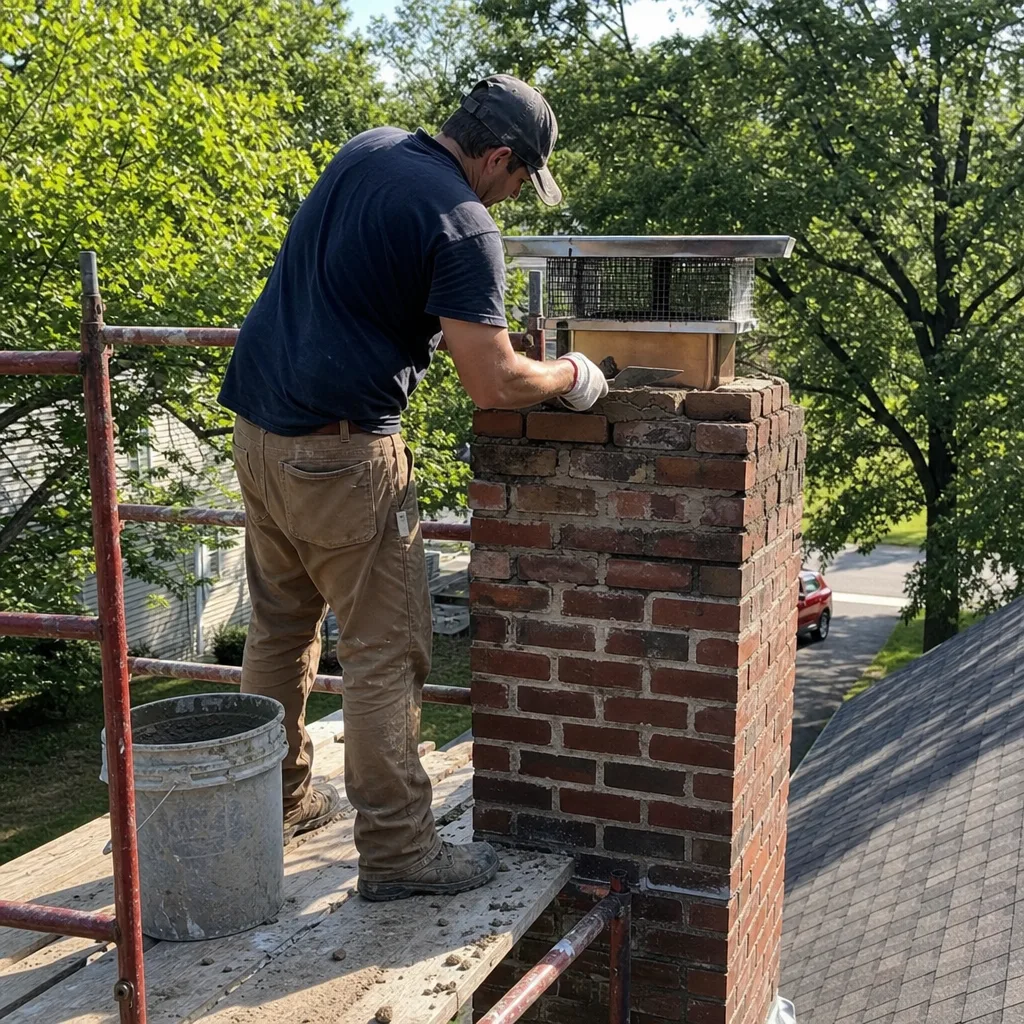
NFPA 211 specifies six conditions that mandate a Level 2 inspection, and three of them apply directly to Chesterbrook’s active real estate market. Understanding these triggers protects both buyers and sellers from post-closing surprises.
Mandatory Level 2 triggers:
- Property transfer or sale: Any change of ownership requires Level 2 documentation of system condition. This applies to traditional sales, estate transfers, and foreclosure acquisitions.
- Change of appliance: Installing a new wood stove, pellet stove, or gas insert in an existing fireplace requires Level 2 verification of flue compatibility.
- After a chimney fire or operational malfunction: Even “small” fires that self-extinguish require Level 2 evaluation of hidden thermal damage.
- After external damage events: Lightning strikes, seismic events, or severe weather that may have affected structural integrity.
- Upon addition or removal of an appliance: Connecting or disconnecting any solid-fuel appliance from the chimney system.
- Relining: Before and after any liner installation or replacement.
In Chesterbrook’s transaction flow, the property transfer trigger generates the most Level 2 inspections we perform. But responsibility for ordering the inspection is surprisingly unclear in many transactions. Sellers sometimes assume their buyer will handle it. Buyers assume the seller’s disclosure covers it. Agents, focused on inspection contingency timelines, may not flag the chimney specifically.
Best practice in Chesterbrook’s market: the seller orders a pre-listing Level 2 inspection, shares the report with prospective buyers, and discloses any recommended repairs with associated estimates. This approach:
- Eliminates renegotiation after buyer’s inspection
- Demonstrates transparency that supports asking price
- Provides time to complete permitted repairs without closing pressure
- Generates documentation that satisfies lender and insurer requirements
When buyers order their own Level 2 inspection - which we strongly recommend even when sellers provide prior documentation - the comparison between reports can be revealing. We’ve seen cases where a seller’s “recent inspection” was actually a Level 1 visual check performed by a sweep with no camera equipment. The buyer’s Level 2 reveals liner damage the seller genuinely didn’t know about, but the disclosure gap still creates liability exposure.
For estate properties and foreclosure sales in Chesterbrook, where maintenance history is often unknown, the Level 2 inspection serves a due diligence function beyond code compliance. We’ve inspected homes in the Chesterbrook Woods area where decades of deferred maintenance left chimney systems inoperable - not unsafe, but requiring substantial investment to restore. Buyers need this information to evaluate true acquisition cost, not just purchase price.
Common Mistakes to Avoid
- Assuming the sweep’s receipt proves inspection quality. A receipt for “chimney cleaning, $189” documents payment, not scope. Without camera footage and written condition assessment, you have no evidence for insurance or real estate purposes.
- Letting contractors “handle permits later.” In Pennsylvania, the contractor performing regulated work must pull the permit before starting. “We’ll take care of it” without a permit number is a warning sign. Verify permit status through Tredyffrin Township’s online portal before work begins.
- Skipping Level 2 on a clean sweep result. A flue can be clean and still have a cracked liner, failed mortar joints, or inadequate clearances. Cleaning addresses combustible deposits; inspection addresses system integrity. Both are necessary.
- Accepting verbal repair recommendations without written scope and price. Haven Standard Clause 1 exists because we’ve seen too many Chesterbrook homeowners agree to “a few hundred dollars” of additional work that ballooned to thousands without documentation. Written price before work starts, always.
- Ignoring township-specific requirements. Tredyffrin requires contractor registration for permit applications. An unregistered contractor can’t pull permits, and their work may not be recognized for resale or insurance purposes. Verify registration before hiring.
- Failing to retain documentation. Keep Level 2 reports, permit approvals, and completion certificates for the duration of ownership plus seven years. Digital storage is fine - we provide cloud access to all Haven Standard records - but ensure you can produce documents when selling or claiming.
- Assuming new construction means code compliance. Chesterbrook’s 1980s-1990s building boom produced many chimneys that met minimum code of their era but not current NFPA 211 standards. Age of construction doesn’t guarantee current compliance.
When to Call a Professional
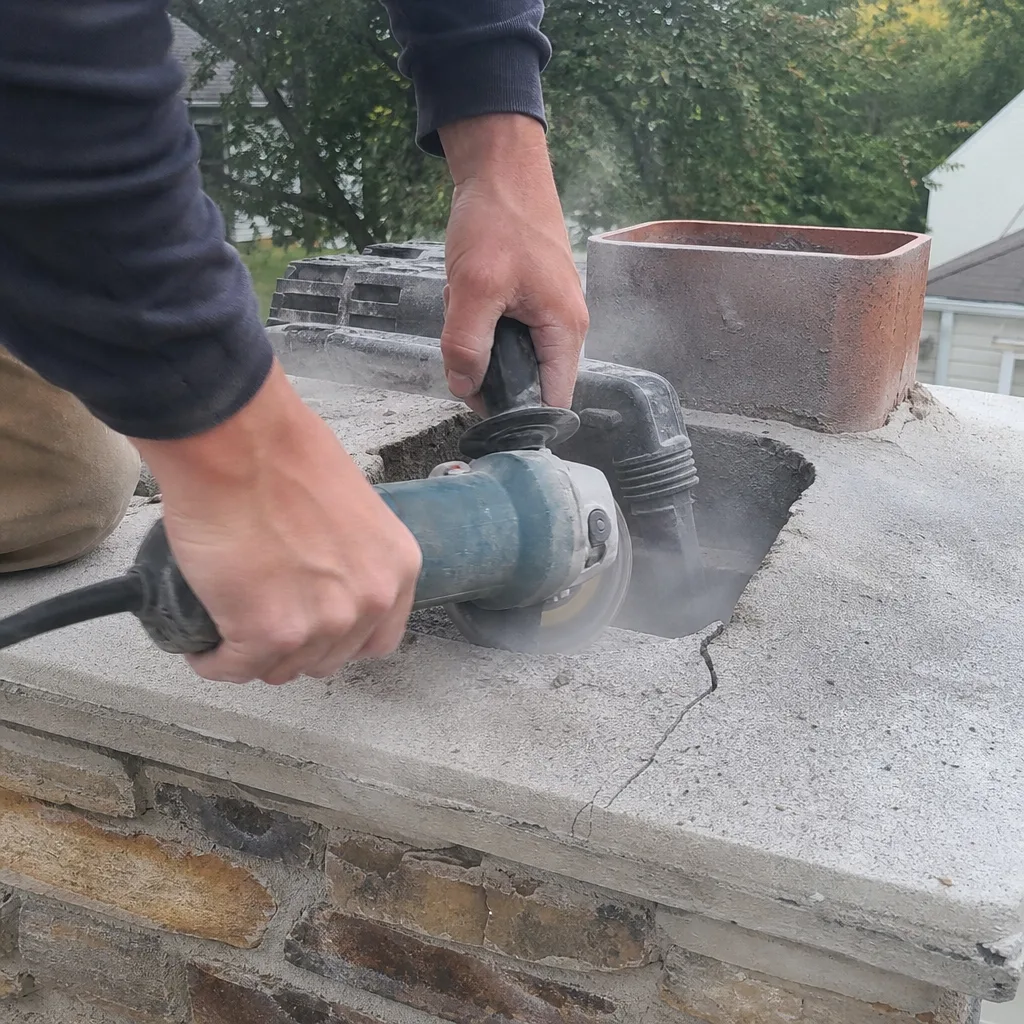
Call a certified chimney professional when you’re buying or selling a home in Chesterbrook, after any chimney fire or CO alarm event, before installing a new heating appliance, or when your annual sweep reveals conditions beyond routine maintenance. The stakes - permit compliance, insurance coverage, and family safety - exceed what DIY evaluation can address. Chimney Repair in Chesterbrook requires proper permitting and documentation that only a qualified professional can provide. Level Two Chimney Chesterbrook offers free estimates in Chesterbrook - call (484) 806-9176. We’ll provide a written scope, written price, and written warranty before any work begins, with a documented photo record on completion under Haven Standard Clause 4.
Frequently Asked Questions
No. Routine chimney sweeping and cleaning requires no state or local permit in Pennsylvania, including in Chesterbrook and Tredyffrin Township. For a full maintenance overview, see our Chimney Cleaning & Sweep Maintenance Checklist for Chesterbrook Homeowners. The permit requirement activates when structural repairs, liner replacement, or appliance installation is needed. Call (484) 806-9176 for a free estimate if your sweep reveals conditions requiring repair - we’ll include permit costs in the written price.
Chimney sweeping in the Chesterbrook area typically runs $180-$280 for a standard fireplace flue, with Level 2 camera inspection adding $150-$250 depending on system accessibility and number of flues. We publish our pricing structure before booking - no “call for quote” ambiguity. Every sweep includes a documented photo record under Haven Standard Clause 4.
NFPA 211 recommends annual inspection for all chimney systems, with cleaning frequency determined by use and fuel type. Chesterbrook homeowners burning cordwood 2-3 times weekly typically need annual sweeping; occasional fireplace users may extend to every 2-3 years if Level 2 inspection confirms minimal creosote accumulation. The freeze-thaw climate here accelerates exterior deterioration, so annual Level 1 or Level 2 inspection is prudent even with light use.
You need a new liner when inspection reveals conditions that compromise safe venting: cracks in terracotta segments, gaps at joints, corrosion of metal liners, or sizing incompatibility with connected appliances. We never recommend liner replacement without camera evidence you can review yourself. Our Level 2 inspection shows exactly what we found and where; the written scope explains what it means for your system. Bring us any competitor’s written estimate for a free second opinion.
Deferred maintenance leads to progressive deterioration that becomes more expensive to address. Class I creosote becomes Class III glazed creosote, requiring chemical treatment or mechanical removal rather than standard sweeping. Minor crown cracks expand through freeze-thaw cycles, leading to water infiltration that damages interior flues and adjacent structure. In Chesterbrook’s climate, we’ve seen $200 crown repairs become $4,000+ rebuilds after 3-4 seasons of neglect. The documented inspection schedule we maintain for repeat customers catches these transitions early.
Sellers should provide: current Level 2 inspection report with camera documentation; permit records for any chimney work performed during ownership; and contractor contact information for warranty transfer. Buyers should order an independent Level 2 inspection even when sellers provide documentation, to verify current condition. We format reports for direct inclusion in disclosure packages, and our records archive extends back to 2009 for prior customers.
The Bottom Line
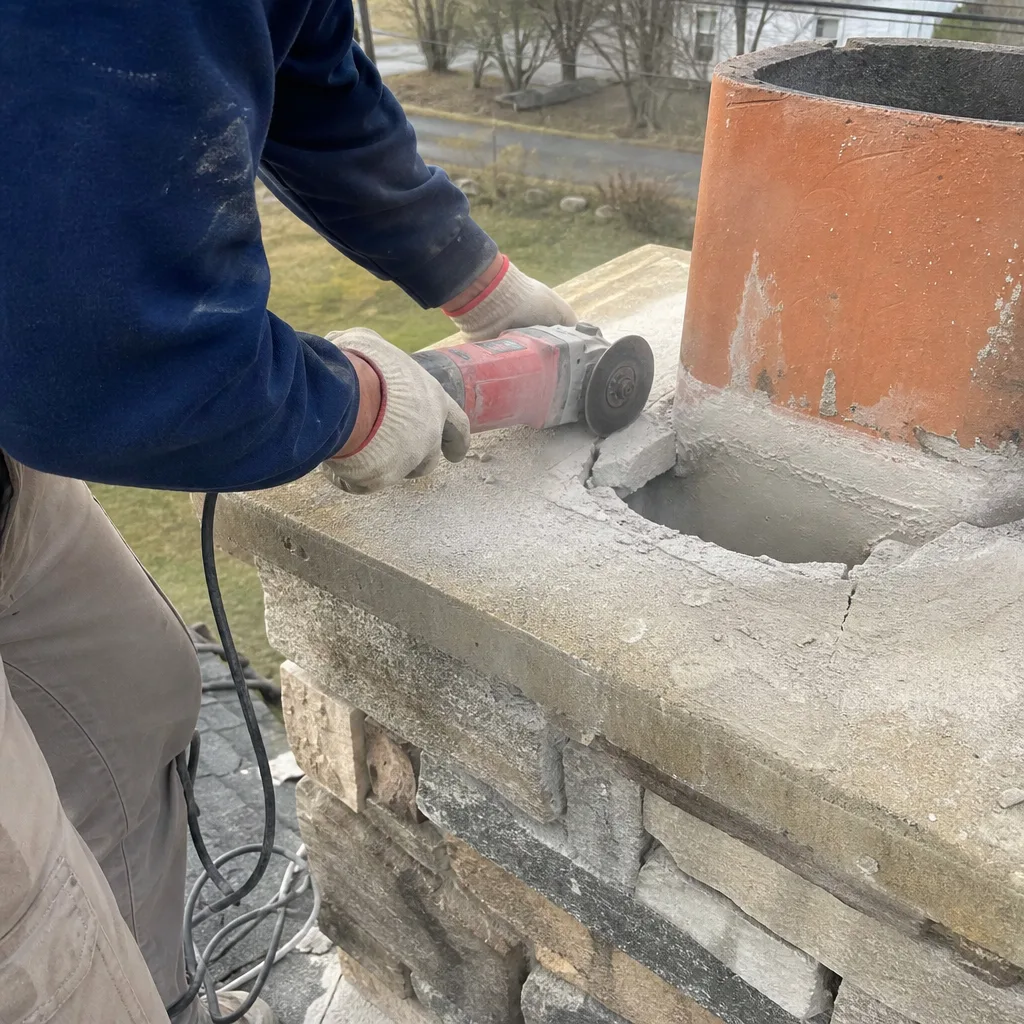
Pennsylvania’s chimney regulatory framework is straightforward once you understand the distinction: cleaning requires no permit, but the repairs cleaning reveals almost always do. The UCC’s incorporation of NFPA 211 means Level 2 camera inspection isn’t a premium service - it’s the documented standard for any evaluation that supports permits, insurance claims, or real estate transactions. In Chesterbrook’s active market, unpermitted work creates costly delays and liability exposure that proper documentation prevents. The investment in a qualified, permit-compliant contractor pays returns at closing, in claims, and in the confidence that your system was evaluated against the standard the law actually requires. Explore more guides & resources on chimney care and compliance.
Written by Corrine Halstead, Owner at Level Two Chimney Chesterbrook, serving Chesterbrook since 2009.