
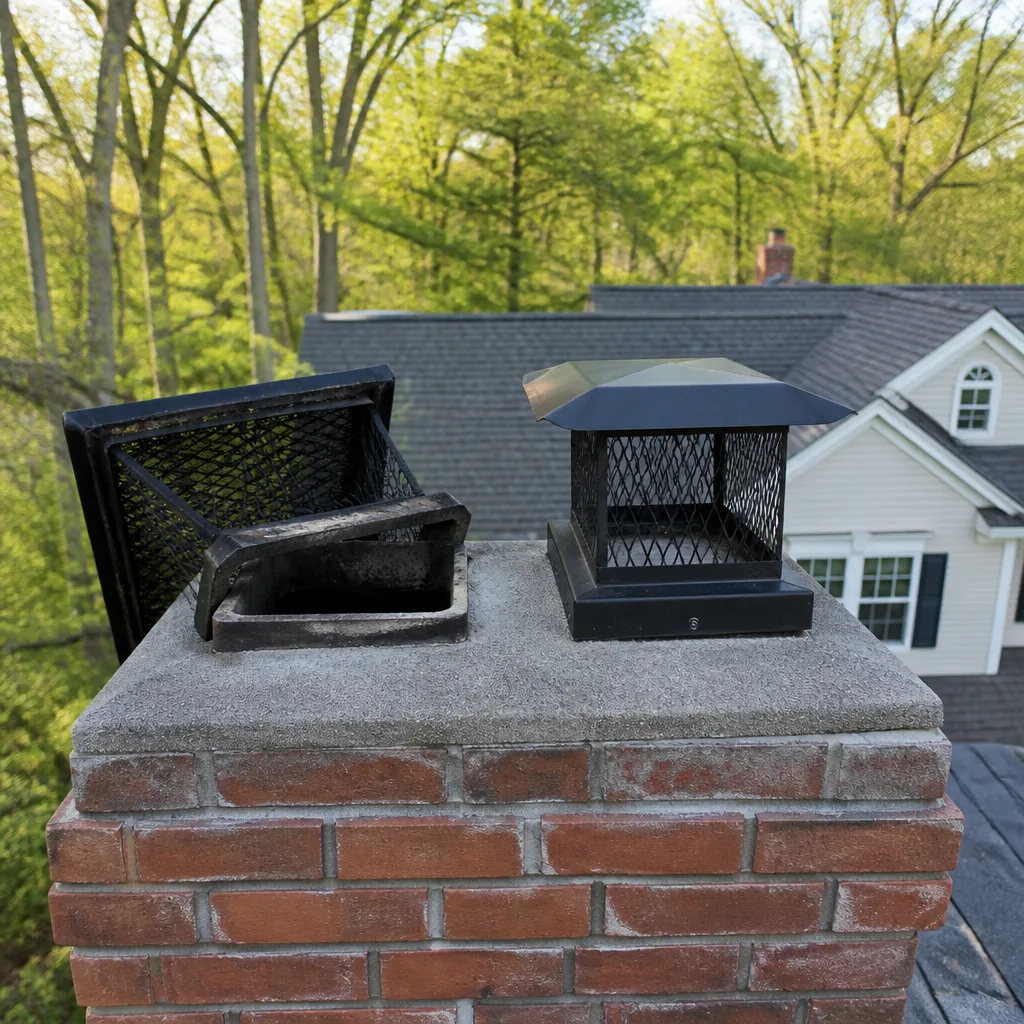
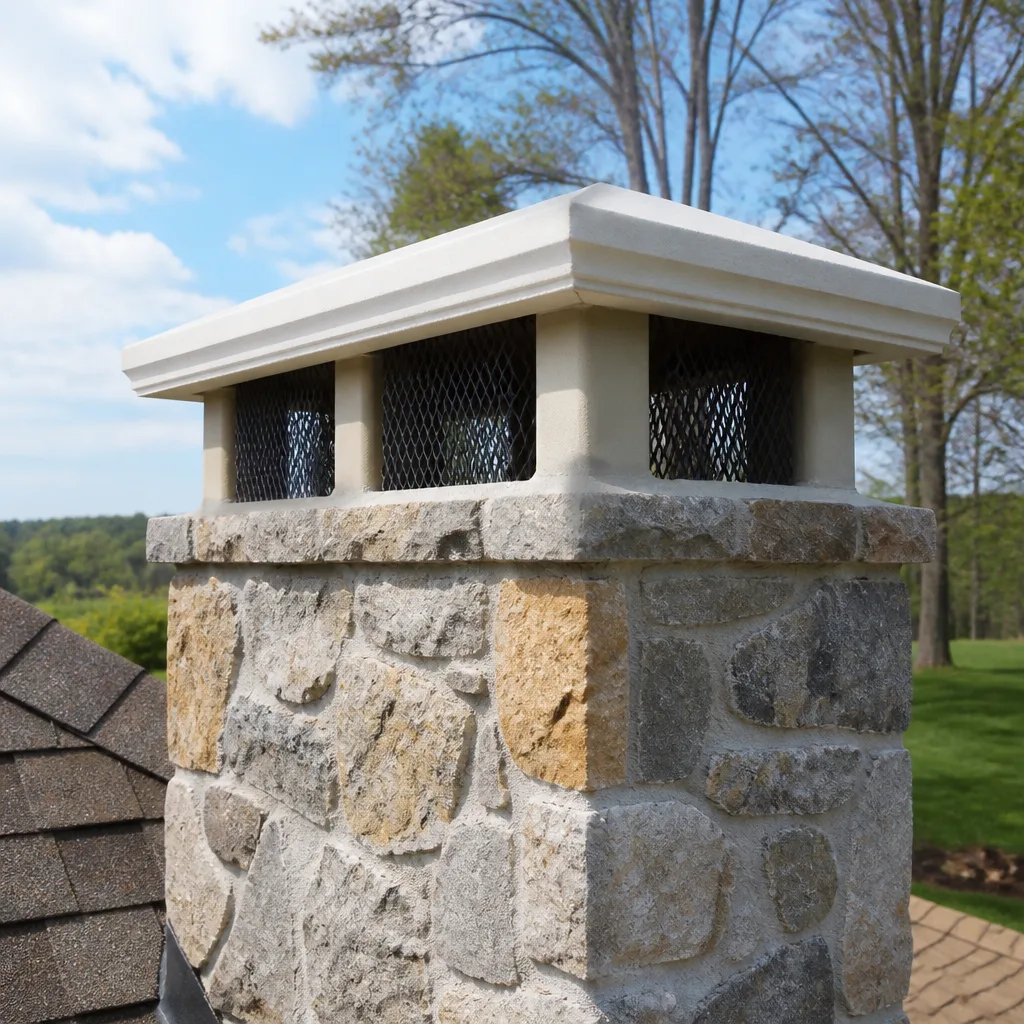
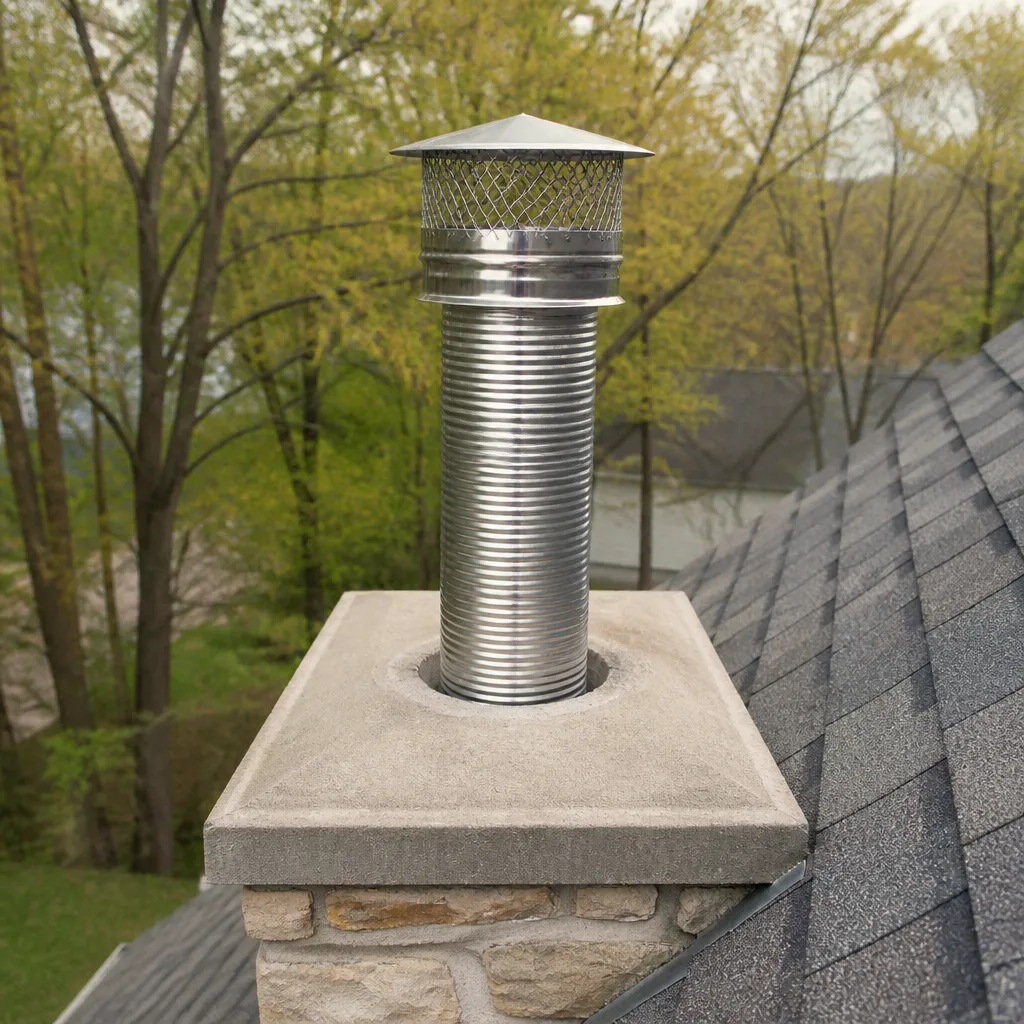
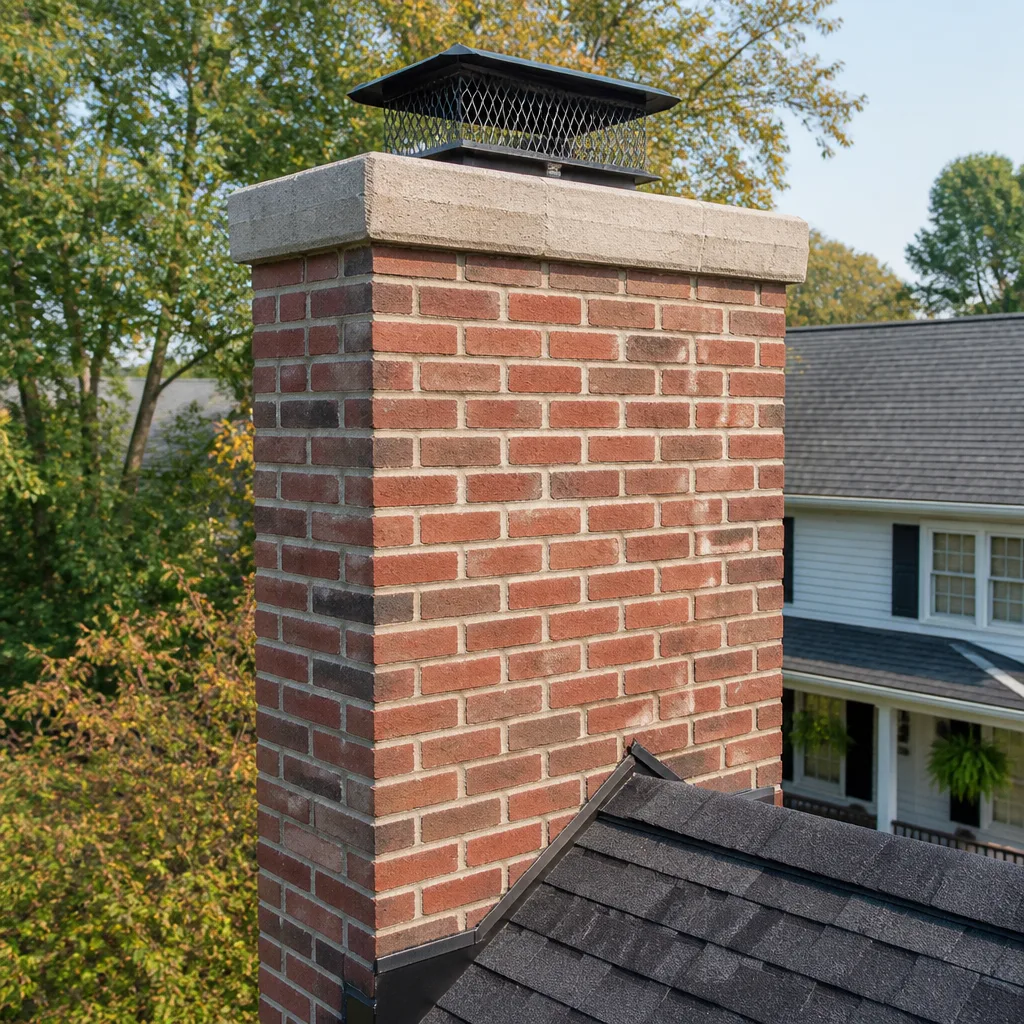
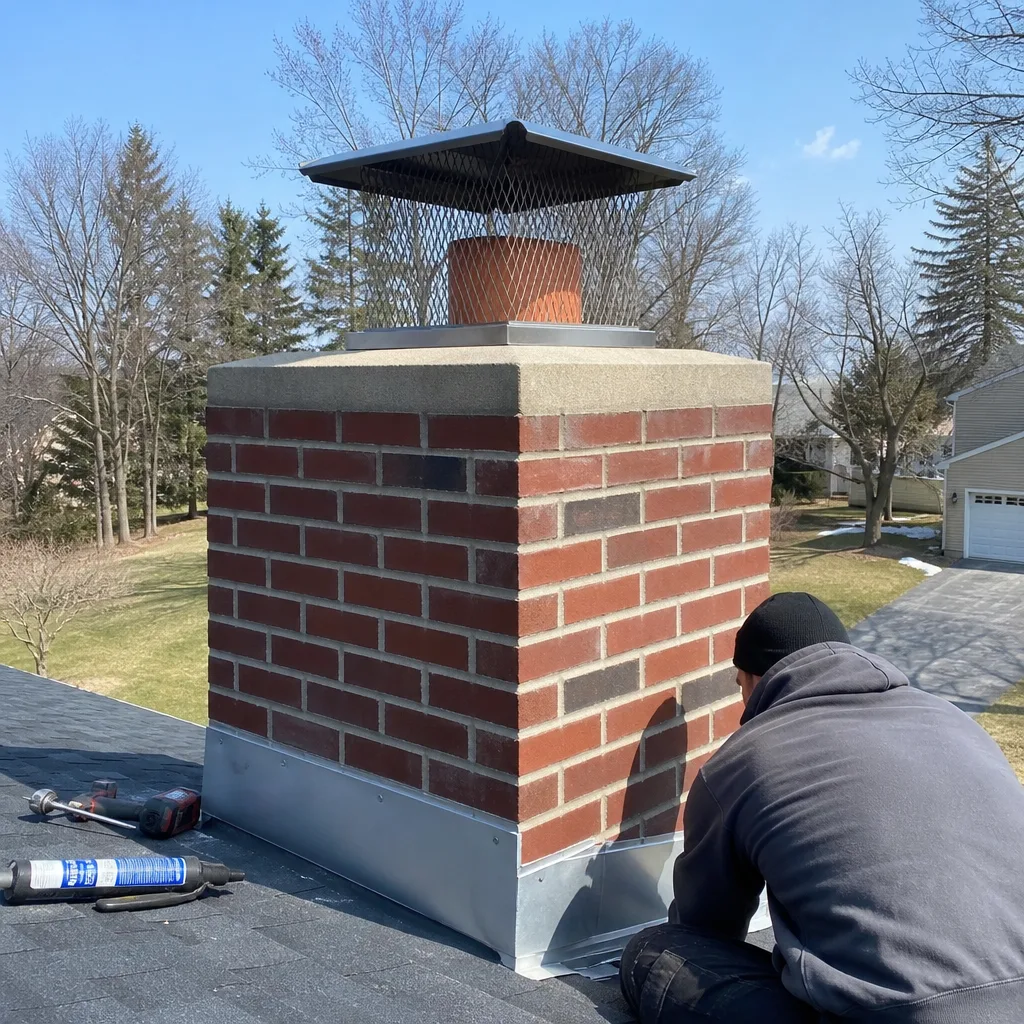
Level 1 sweep and inspection to the NFPA 211 annual standard - flue, crown, cap, and flashing checked and photographed
Chimney sweep logs do not sweep chimneys. They loosen some creosote - which then falls where a brush and vacuum still have to collect it.
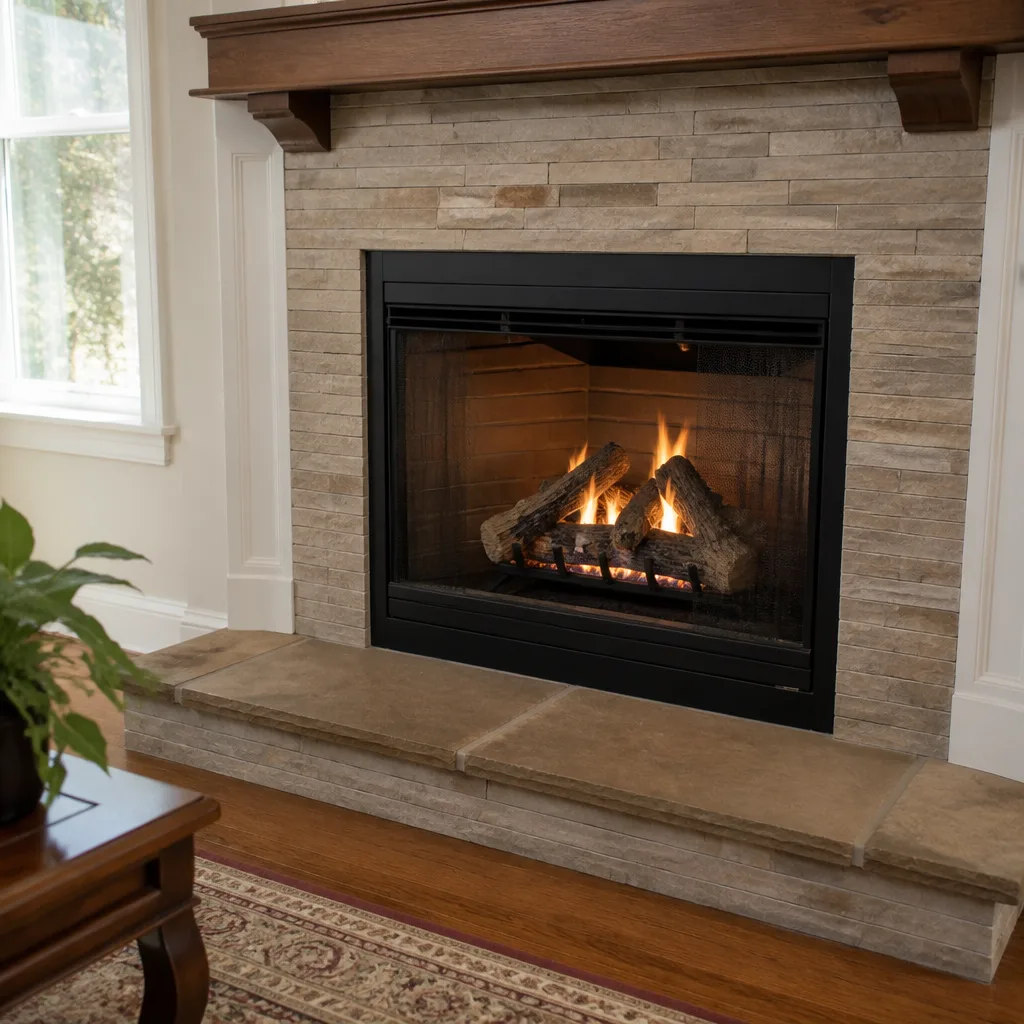
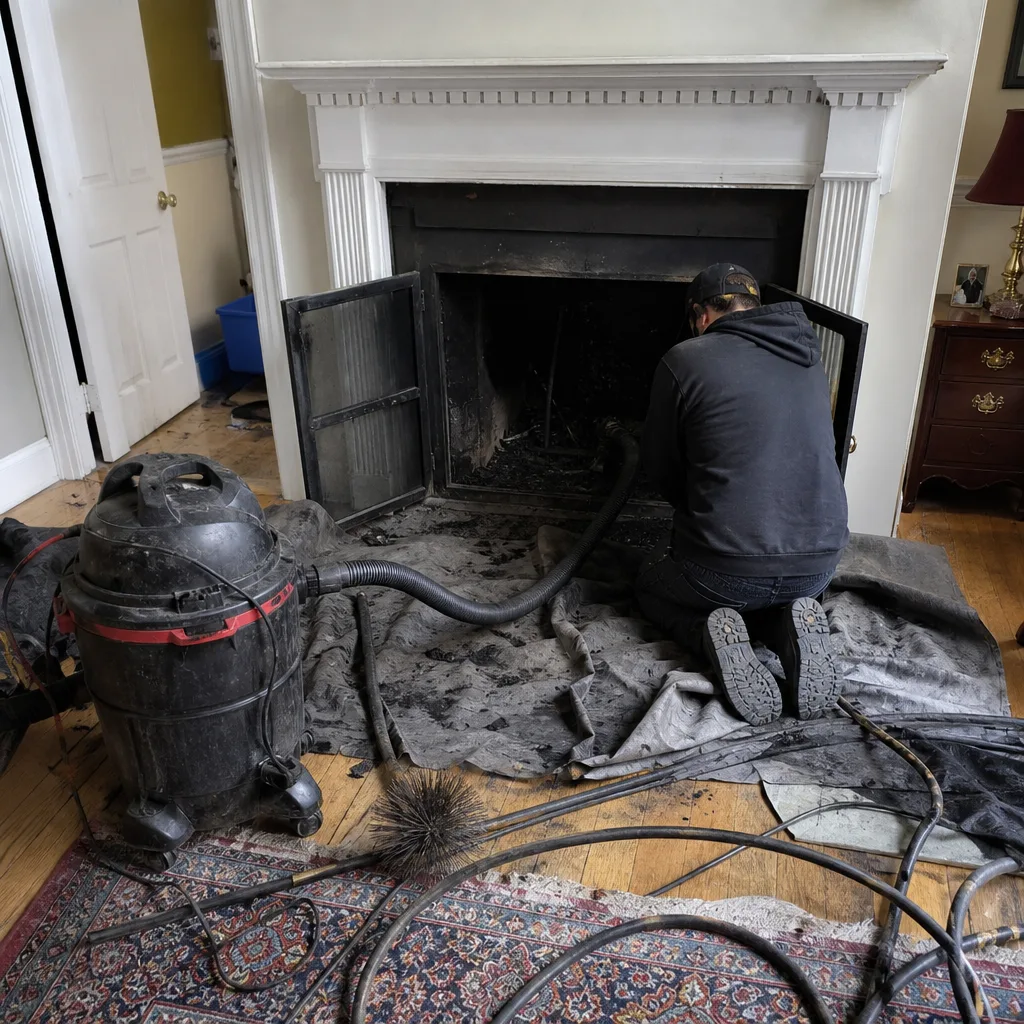 Before
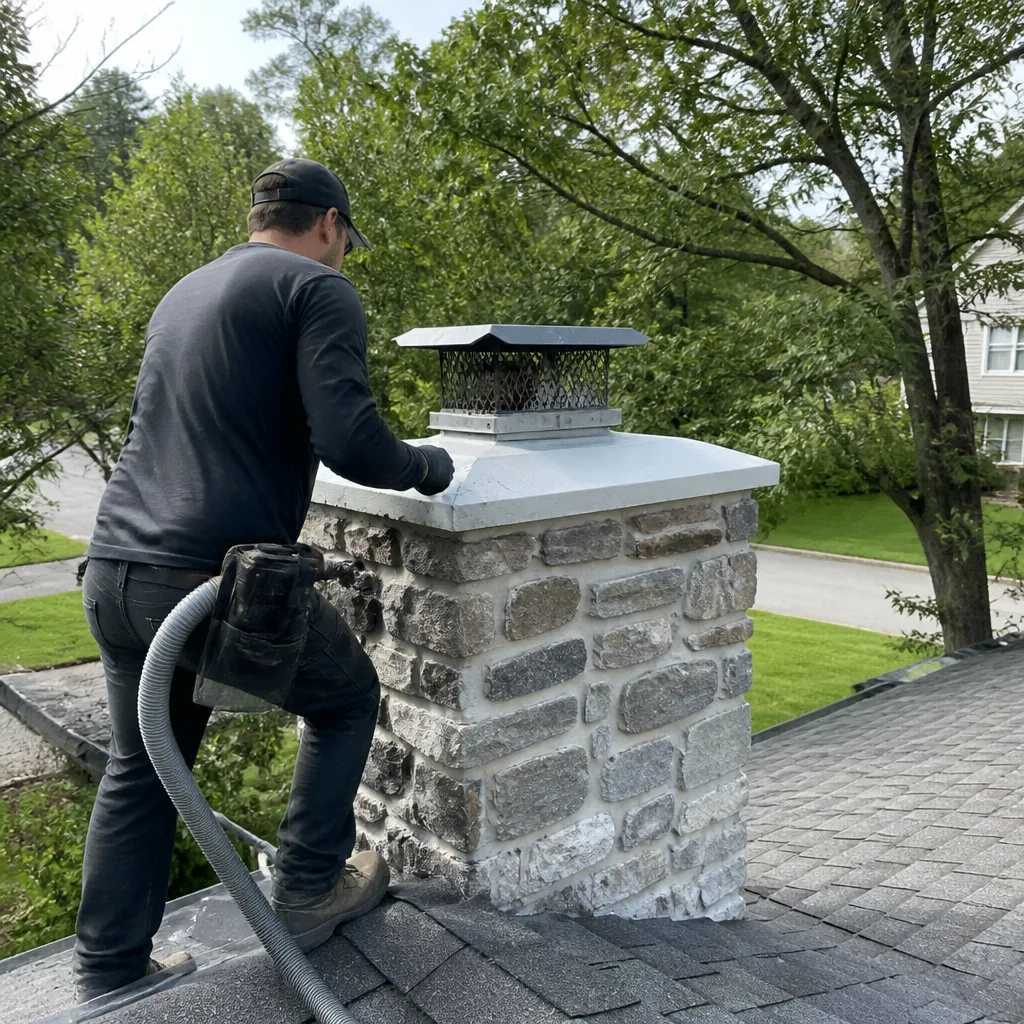 After
After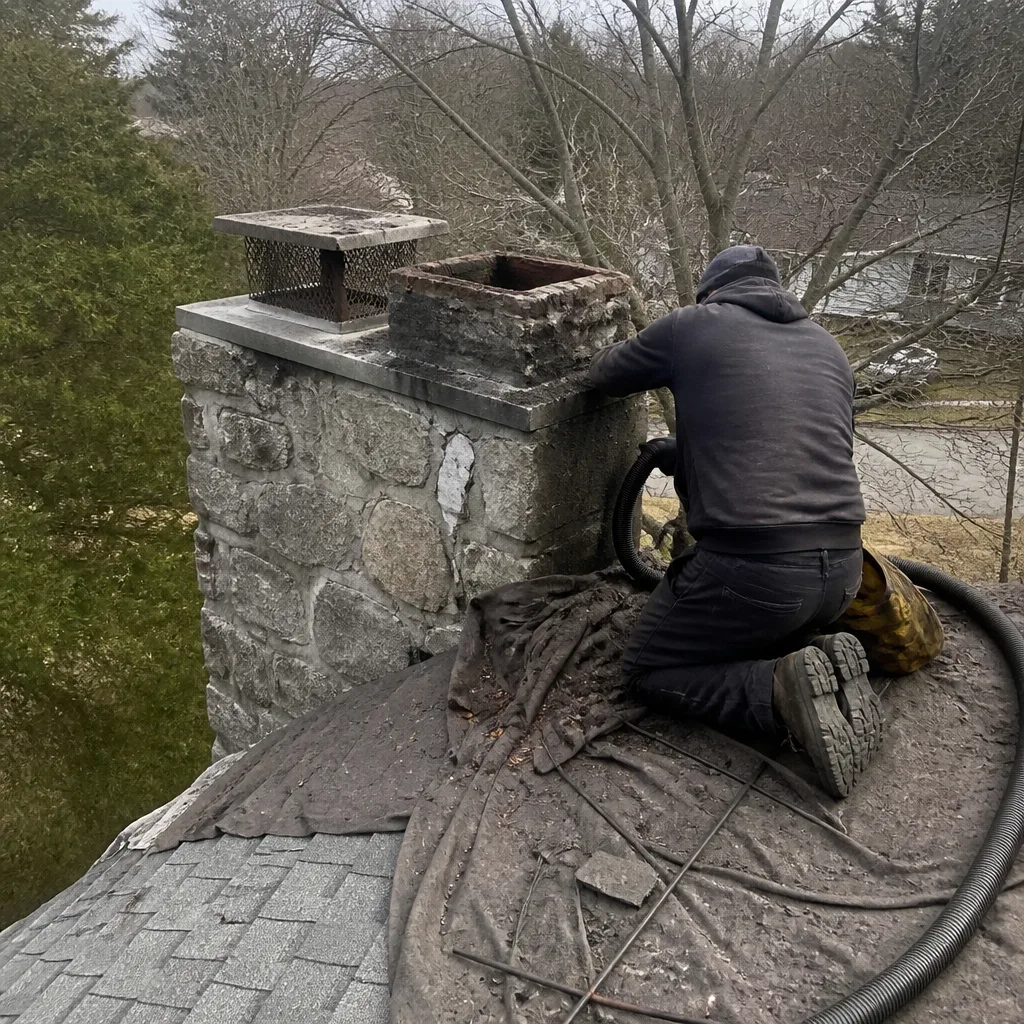 Before
 After
AfterCreosote Removal in Chesterbrook, PA
Creosote removal in Chesterbrook typically runs between $175 and $600, depending on which of the three creosote classes is present and how many flue sections need treatment. Most standard cleanings with light to moderate buildup are finished in a single visit. When Class III glazed creosote is involved, a chemical application is scheduled first, followed by a return sweep once the deposit has been conditioned.
If you use your fireplace or wood stove regularly in Chesterbrook, creosote is not optional to deal with – it accumulates every season, and the Chesterbrook climate does not help. Cold snaps that drop into the teens, combined with the tight, well-insulated homes common in the Chesterbrook community, produce lower flue temperatures than older drafty houses did. Cool flue gas deposits creosote faster. We see it constantly on streets like Valley Forge Road and in the townhome clusters near Chesterbrook Boulevard, where residents fire up their inserts all winter and assume an annual sweep covers everything. Sometimes it does. Sometimes there is a secondary Chimney Cleaning & Sweep visit worth scheduling.
At Level Two Chimney Chesterbrook, every visit begins with a camera scan down the flue liner – NFPA 211 Level 2 documentation, not a flashlight look. We classify what we find, put a written price in front of you before a single tool goes up the chimney, and leave a documented photo record when the job is done. That practice has been standard here since 2009, across more than 38,000 inspections and cleanings. Our Chimney Cleaning & Sweep in Chesterbrook page explains the full scope of what a sweep visit covers; this page is specifically about creosote: what the classes mean, what removal actually involves, and what it costs.
Questions before you read further? Call us at (484) 806-9176 – a live person picks up, any time of day.
What Creosote Is and Why the Class Matters
Creosote is a byproduct of incomplete combustion. When wood smoke rises through a flue and the flue wall temperature falls below roughly 250 degrees Fahrenheit, the hydrocarbons in the smoke condense and stick. Over time, those deposits harden and change character. NFPA 211 separates creosote into three classes, and the class determines both the removal method and the risk level.
- Class I (first-degree creosote) – Dusty, flaky, or sooty deposits that brush out with standard rotary tools. This is the target condition after an annual sweep. At this stage, removal is straightforward and is included in a standard chimney cleaning visit.
- Class II (second-degree creosote) – Tar-like, crunchy, or shiny buildup that has started to harden. It requires firmer brushing, sometimes a rotary power system, and takes more time. Flues with Class II deposits are common in Chesterbrook homes where the fireplace sees heavy use but sweeping was skipped one season.
- Class III (third-degree glazed creosote) – Dense, glassy, hard coating that looks like black lacquer on the flue liner. Mechanical tools alone will not remove it. A chemical liquefier – typically applied as a powder or spray that conditions the glaze over 24 to 72 hours – has to come first. Only then can brushing clear the residue. Class III is a fire emergency waiting to happen: it burns at over 2,000 degrees Fahrenheit and is the direct cause of most chimney fires. We do not understate this.
Knowing the class before quoting the job is why the camera scan happens first, not after. A tech who quotes a flat rate over the phone without a Level 1 Inspection seeing the flue is guessing. We don’t guess, and we won’t ask you to pay for a scope of work that hasn’t been defined in writing.
When You Need Creosote Removal
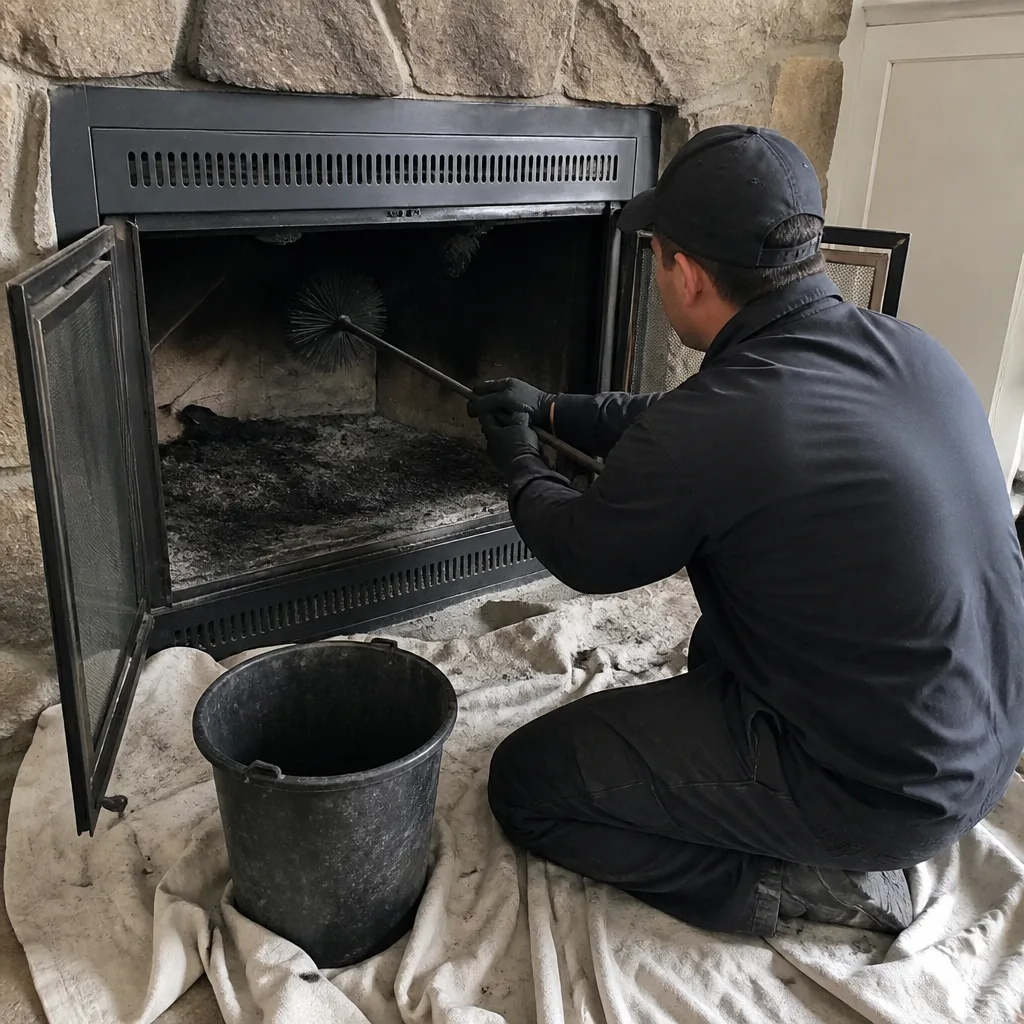
Some of these signs are visible. Others show up only on the camera. Either way, they are worth taking seriously.
- A strong, oily, or chemical smell coming from the fireplace – Especially in spring and summer when the firebox is cold, a persistent petroleum-like odor is often Class II or Class III creosote off-gassing. In Chesterbrook’s humid summers, that smell concentrates in tightly built homes and can spread through HVAC returns if the damper seals poorly.
- Visible black staining or buildup inside the firebox opening – If you shine a flashlight up from the firebox and see a dark, shiny coating rather than a matte gray surface, that is a visual indicator of advanced creosote. The camera will confirm the extent.
- A fireplace that has gone two or more seasons without a documented sweep – One cord of wood per season typically deposits enough creosote to warrant annual removal. Two seasons without service and the odds of Class II buildup go up significantly, based on what we see in the field.
- Smoke backing into the room during a fire – A partial blockage from heavy creosote deposits can restrict draft and push smoke back. If the damper checks out and the cap is clear, creosote narrowing the flue throat is a common culprit.
- A previous chimney fire, even a small one – Any chimney fire, no matter how brief, requires a full Level 2 camera inspection before the fireplace is used again. Class III glazed creosote is the fuel; if it partially burned, the flue liner may be damaged. In Chesterbrook, where many homes have clay tile liners that are 20 to 35 years old, a chimney fire can crack tiles in multiple sections.
- A home purchase in the last 12 to 24 months – A pre-purchase inspection does not always include a camera sweep of the flue. If you moved into your Chesterbrook home and haven’t had a Level 2 inspection done independently, you don’t know the creosote class in that chimney. Many of the Class III situations we find are in recently sold homes where the fireplace looked fine from the outside.
 Before
 After
AfterOur Creosote Removal Process
Every job follows the same documented sequence. We don’t skip steps because the job looks routine – routine is how Class II gets missed.
- Camera-scan inspection before anything else – A closed-circuit camera goes from the firebox to the top of the flue. We record the footage, photograph deposits, cracks, and liner condition, and classify the creosote present. This is NFPA 211 Level 2 documentation, and it is the basis for the written price. You see what we see before we quote what we charge. This documentation practice has been Level Two’s standard since 2009 and is formalized as Clause 4 of the Haven Standard.
- Written price delivered before work starts – Based on what the camera found, we present a written scope and a written price. If the job is a standard Class I sweep, you’ll know. If it requires a chemical pre-treatment for glazed creosote, that’s spelled out before anyone reaches for a tool. Haven Standard Clause 1 – “Have it in writing” – means no surprises on the invoice.
- Rotary power sweep or chemical pre-treatment, depending on the class – For Class I and most Class II deposits, we use professional rotary brushing equipment. For Class III glazed creosote, we apply a conditioning agent first – a product that breaks down the glassy structure of the deposit – then schedule a follow-up sweep once the chemical has had time to work. We source our consumables through Haven’s buying network from suppliers like Copperfield and HeatShield, which keeps material costs from inflating the price passed to you.
- Full firebox and smoke chamber cleaning – Creosote removal isn’t only about the flue liner. The smoke chamber above the firebox opening collects deposits too, particularly in older masonry fireboxes where the chamber is not parging-smooth. We clean the full system, not just the stretch the brush can reach from the top.
- Post-removal camera verification – After cleaning, the camera goes back down. We confirm the liner is clear, document the post-service condition with photos, and note any structural findings – cracked tiles, damaged mortar joints, deteriorated flashing – that should be addressed separately. You get the photo record as part of the visit, every time, without asking.
- Written documentation and 365-Day Done Right Promise – You receive a written scope of what was done, what was found, and what was left as a separate recommendation if any repair is needed. The 365-Day Done Right Promise covers the work: if something isn’t right, we come back and fix it, no argument.
Creosote Removal Pricing in Chesterbrook
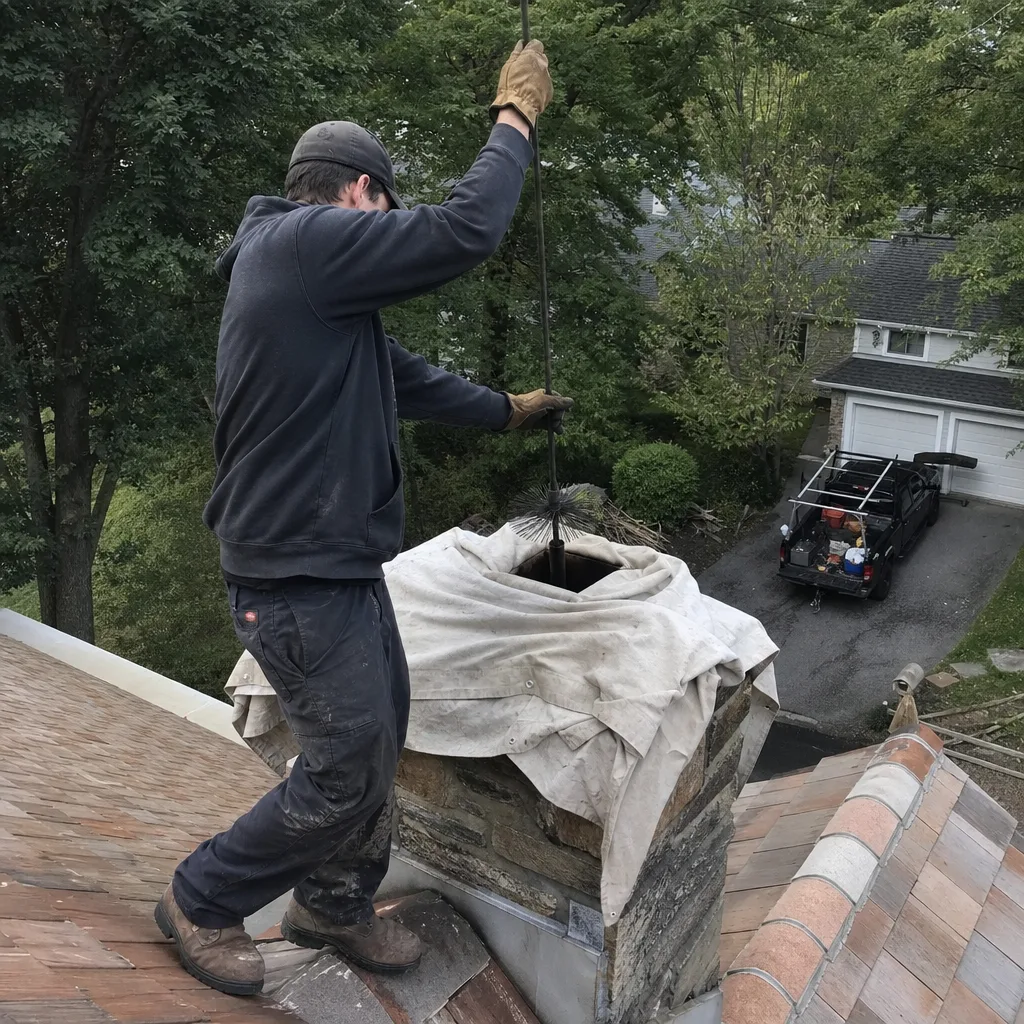
Below are the honest ranges for what creosote removal costs in Chesterbrook based on the work we actually do here. These are not teaser rates that climb once the tech is in your home. The written price you receive before work starts reflects the scope the camera found.
| Creosote Class / Service | Typical Price Range | What Drives the Number |
|---|---|---|
| Class I – Standard sweep and removal | $175 – $275 | Single story or two-story flue, light deposit, standard rotary sweep |
| Class II – Heavy deposit removal | $275 – $450 | Power rotary system, additional time, smoke chamber cleaning included |
| Class III – Glazed creosote, two-visit treatment | $450 – $600+ | Chemical pre-treatment visit plus return sweep; may require liner assessment |
| Add-on: Level 2 camera inspection (standalone) | Included on every sweep visit | Camera documentation is standard, not a separate line item |
A few things that move the price within those ranges: flue height (taller chimneys in Chesterbrook’s two-story colonials and three-story townhomes take longer to sweep), chimney configuration (single straight flue vs. offset or multi-flue systems), and access conditions at the roofline. If your chimney has a DuraFlex liner installed, the liner material does not affect sweep pricing – standard rotary tools work safely on flexible stainless liners.
If you have a written estimate from another company, bring it. We offer a free second opinion on any written quote, no pressure, no obligation.
Call (484) 806-9176 and we will walk through what’s on that estimate line by line.
FAQs – Creosote Removal in Chesterbrook
How do I know what class of creosote is in my chimney?
You need a camera inspection to know for certain. Class I looks dusty and matte gray; Class II is tar-like or shiny and brittle; Class III looks like poured black glass on the flue wall. A flashlight from the firebox opening can hint at the class, but it won’t show deposits in the upper flue, smoke chamber corners, or behind offset sections. A Level 2 Inspection camera scan – the kind we run on every visit – is the only way to classify what’s actually up there. Call us at (484) 806-9176 and we’ll schedule the inspection; the written price follows immediately after the camera comes back down.
Is Class III glazed creosote dangerous enough to stop using my fireplace?
Yes. Class III glazed creosote is a direct chimney fire hazard and the fireplace should not be used until the deposit is removed. Glazed creosote burns at temperatures that can exceed 2,000 degrees Fahrenheit – hot enough to crack clay tile liners, fail masonry mortar joints, and transfer heat to adjacent framing. In Chesterbrook homes with older clay tile flue systems, a Class III chimney fire can compromise the liner in multiple sections at once. If you suspect glazed creosote, stop using the fireplace and schedule a camera inspection before the next fire. This is not a situation where a standard brush-out is sufficient; the chemical pre-treatment step is necessary, and we’ll document why in writing before any work starts.
How often does creosote need to be removed in Chesterbrook?
NFPA 211 recommends at least one inspection per year for any chimney that is in use, and for most Chesterbrook households burning a cord or more per season, annual removal is appropriate. The local climate matters here: Chesterbrook winters produce extended cold periods where homeowners run their fireplaces heavily, and tighter modern home construction means lower flue temperatures, which accelerates creosote formation compared to older drafty homes. If you’re burning green or unseasoned wood – which we see fairly often with locally sourced wood – the interval can be shorter. The camera tells us what the interval actually should be for your specific flue; we note that in the written record so you have a documented baseline, not a guess.
Can I use a creosote removal product myself and skip the sweep?
Consumer-grade creosote conditioner logs reduce Class I deposits modestly and can help slow Class II accumulation between professional sweeps. They are not a substitute for mechanical removal, and they are not effective against Class III glazed creosote. What those products don’t do is tell you what class of deposit is present, whether the flue liner is intact, or whether the smoke chamber has accumulation the products can’t reach. Using a chemical log and skipping the inspection means you have no documented record of the flue’s condition – which matters for homeowner’s insurance purposes and for your own safety. Use them as a supplement if you like, but schedule the camera sweep annually. The written price and photo record are standard; there’s nothing to lose by knowing what’s actually in the flue.
Why Chesterbrook Homeowners Choose Level Two for Creosote Removal
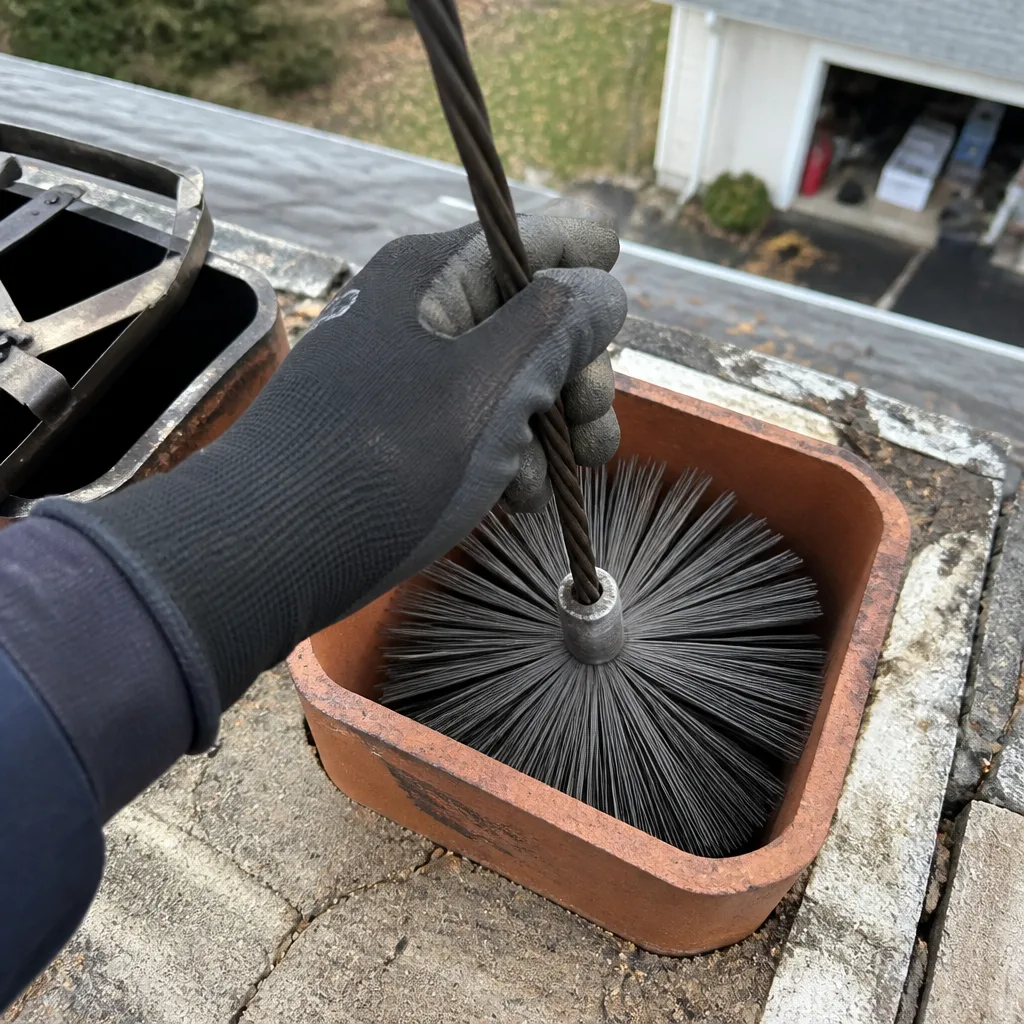
Chesterbrook is not a neighborhood where residents make decisions without doing their homework first. The homes here represent real money, the fireplaces in many of them are in active daily use from October through March, and the buyers who moved in over the last decade are not going to take a sweep company’s word for it that everything looks fine. They want the camera footage. They want the written price. They want to know what’s in the flue before they light the next fire.
That’s exactly how we’ve operated since 2009. Corrine Halstead built Level Two Chesterbrook around documentation as the default, not the premium. More than 38,000 chimneys inspected and cleaned, every one with a written price before work started and a photo record on completion. The camera-scan standard that is now Clause 4 of the Haven Standard was the practice here years before insurers and regulators were asking for it.
When you call Level Two Chesterbrook, a live person answers. A named, background-checked, uniformed technician is assigned to your job. You get a text when they’re on the way. The written price, written scope, and written warranty are in your hands before the first tool goes up the flue – Haven Standard Clause 1, every time. And if the work isn’t right, the 365-Day Done Right Promise covers it, no back-and-forth.
Creosote removal is one of the most consequential things you can do for your home’s fire safety. It deserves an inspection standard built around evidence, not a flashlight and a verbal assurance. For a complete picture of what a full chimney cleaning and sweep visit covers, visit our home page or go directly to the Chimney Cleaning & Sweep in Chesterbrook page for the full service overview.
Key Takeaways
- Creosote removal in Chesterbrook runs $175 to $600+, depending on the class of deposit found on the camera scan.
- Class III glazed creosote requires a two-visit chemical treatment – not a standard brush-out – and the fireplace should not be used until it’s cleared.
- Every Level Two visit includes a Level 2 camera inspection and documented photo record as standard, not an add-on.
- The written price is delivered before any work starts; what the camera finds is what the quote reflects.
- Chesterbrook’s cold winters and tight modern construction accelerate creosote buildup compared to older homes – annual sweeping is not just a recommendation here, it’s practical.
- The 365-Day Done Right Promise covers every job: if it’s not right, we fix it.
Schedule Creosote Removal in Chesterbrook
If you haven’t had a camera inspection this season, or if you’re seeing any of the signs described above – smoke backing into the room, an oily smell, visible dark buildup in the firebox – the right call is to schedule before the next fire, not after it. Call Level Two Chimney Chesterbrook at (484) 806-9176 to get a written price and a scheduled visit. A live person answers, the camera goes down on the first visit, and the written price is in your hands before anyone starts work. Free second opinion on any written estimate you already have.
Written by Corrine Halstead, Owner at Level Two Chimney Chesterbrook, serving Chesterbrook.