
Last updated September 22, 2026
Level 1 sweep and inspection to the NFPA 211 annual standard - flue, crown, cap, and flashing checked and photographed
Chimney sweep logs do not sweep chimneys. They loosen some creosote - which then falls where a brush and vacuum still have to collect it.
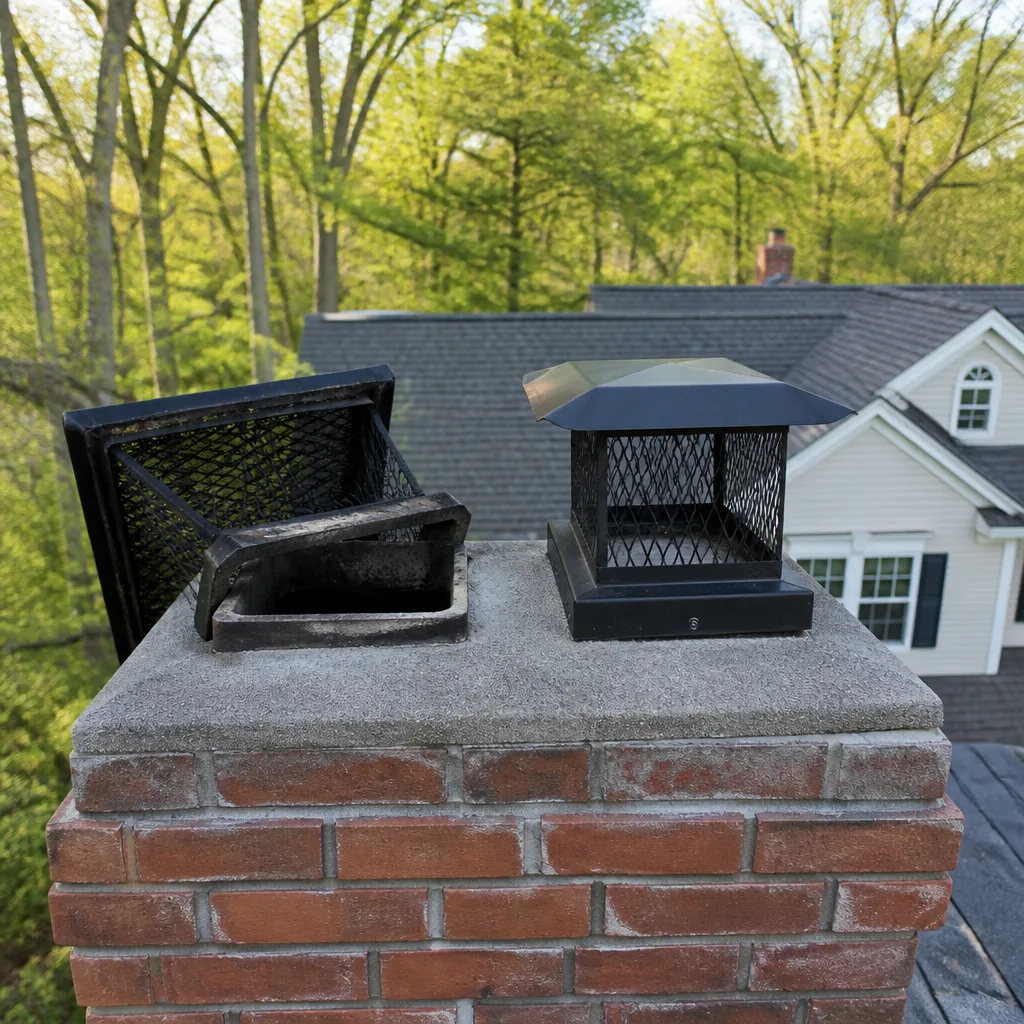
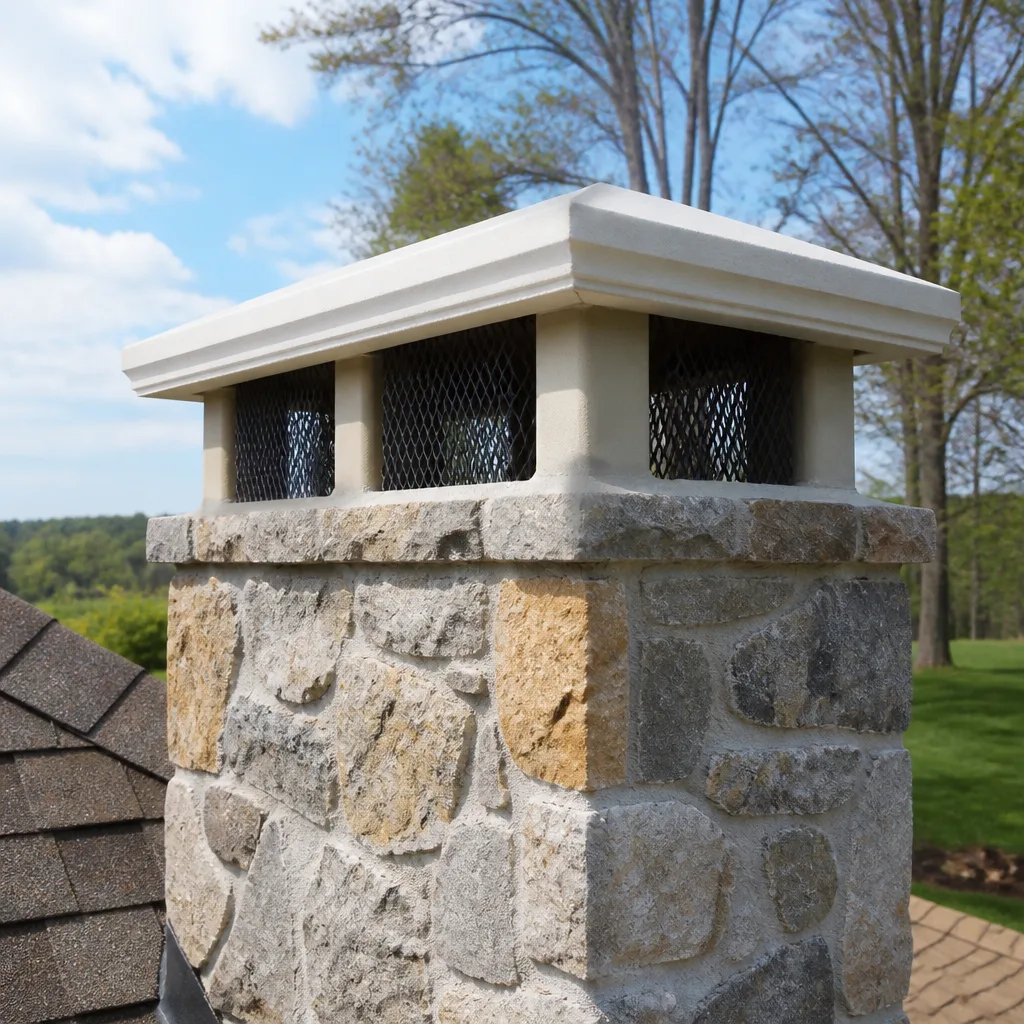
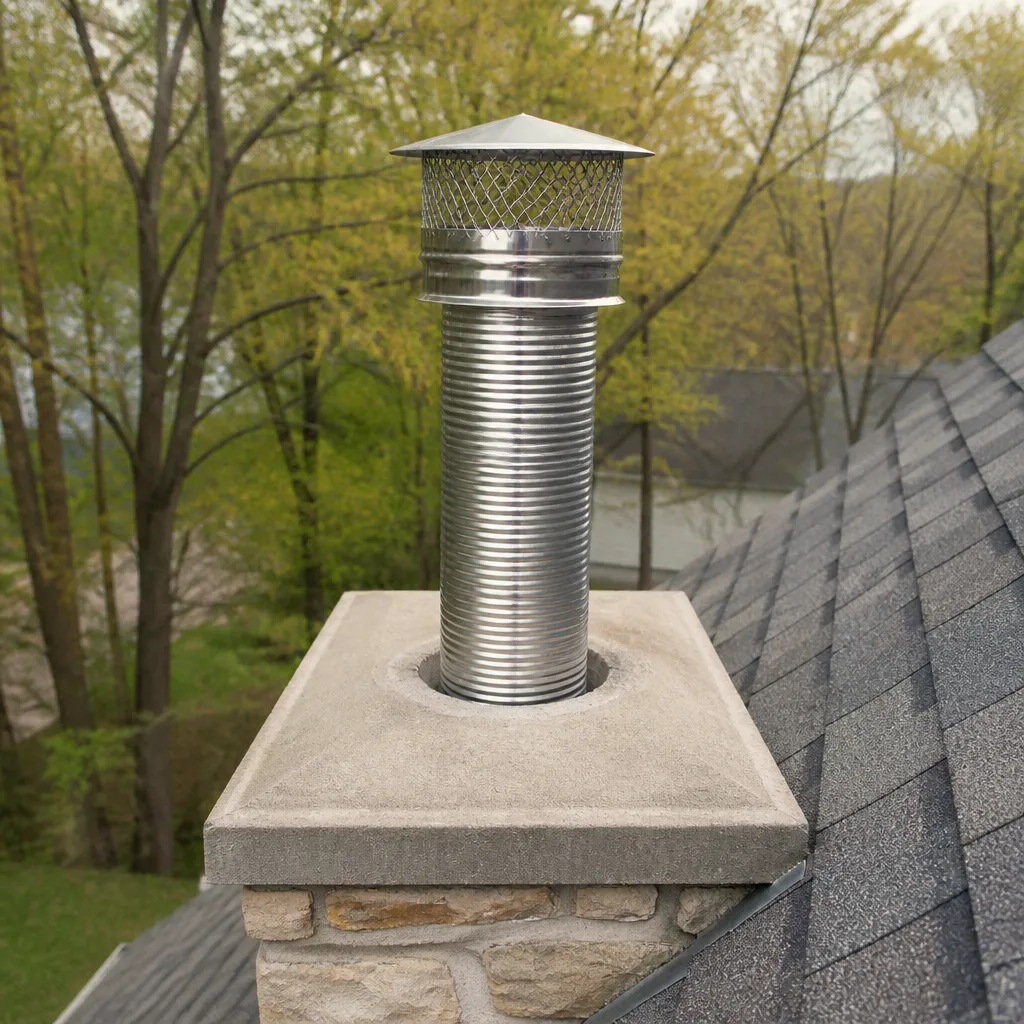
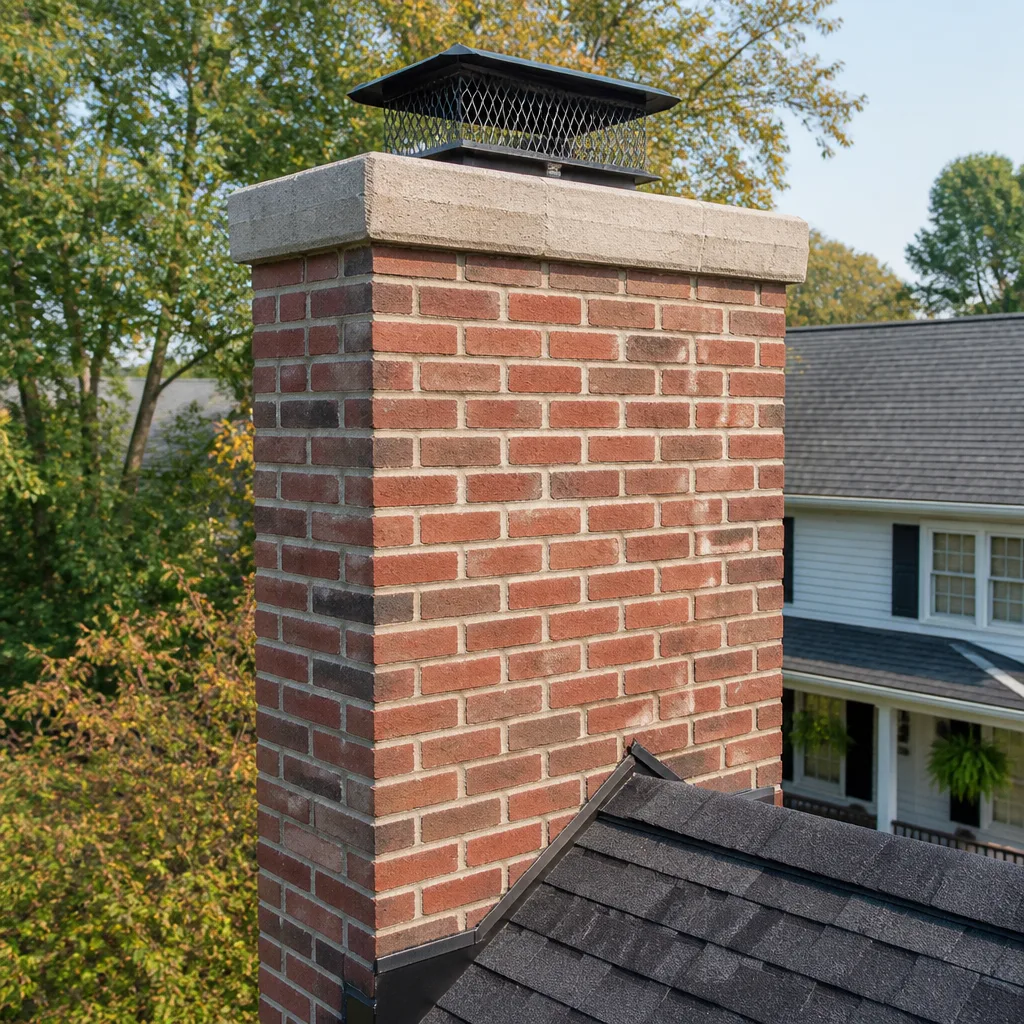
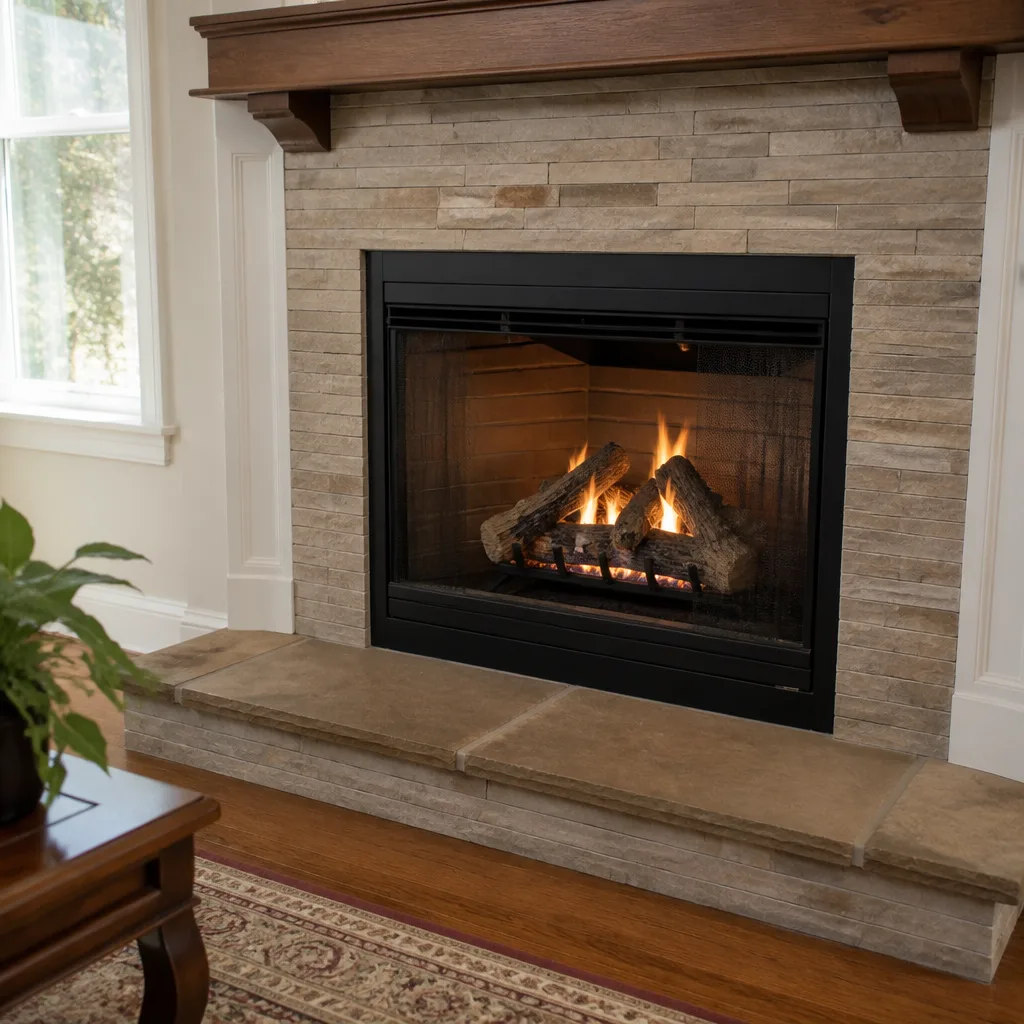
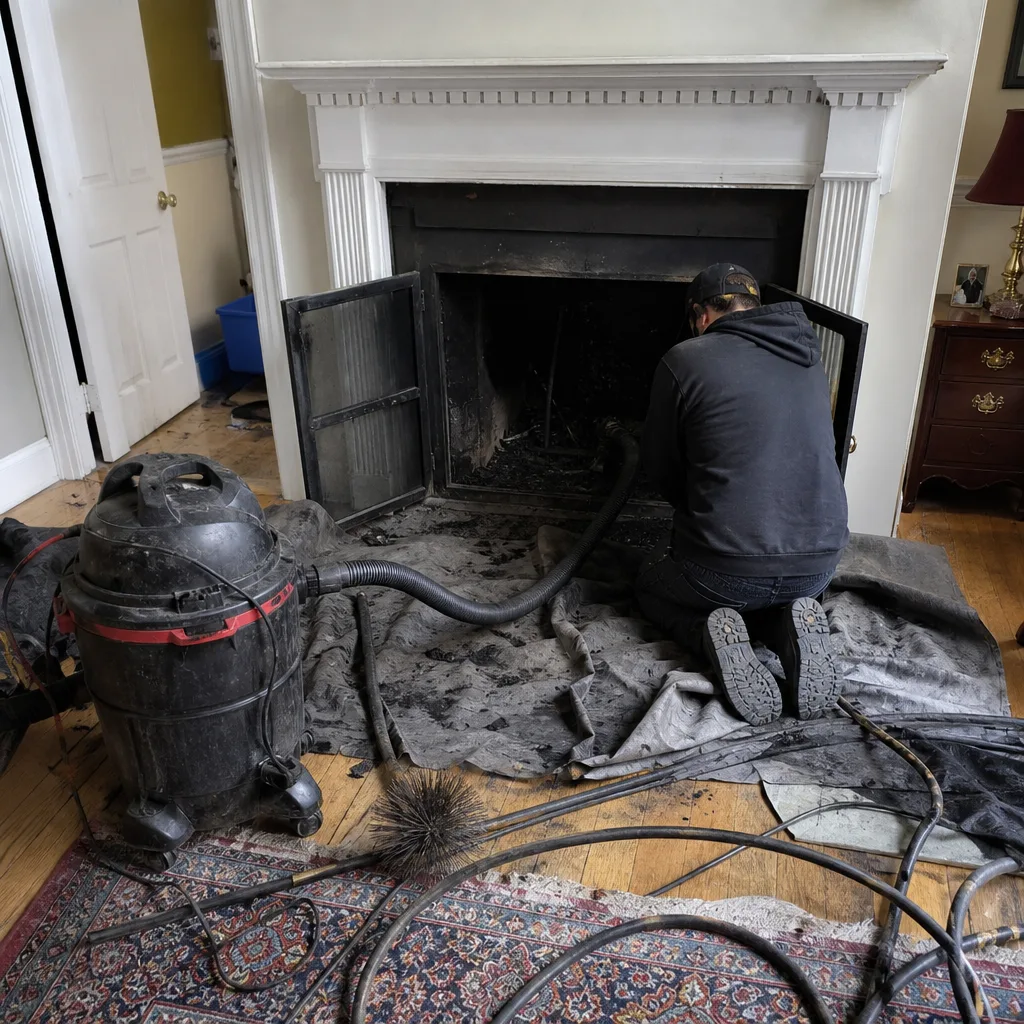 Before
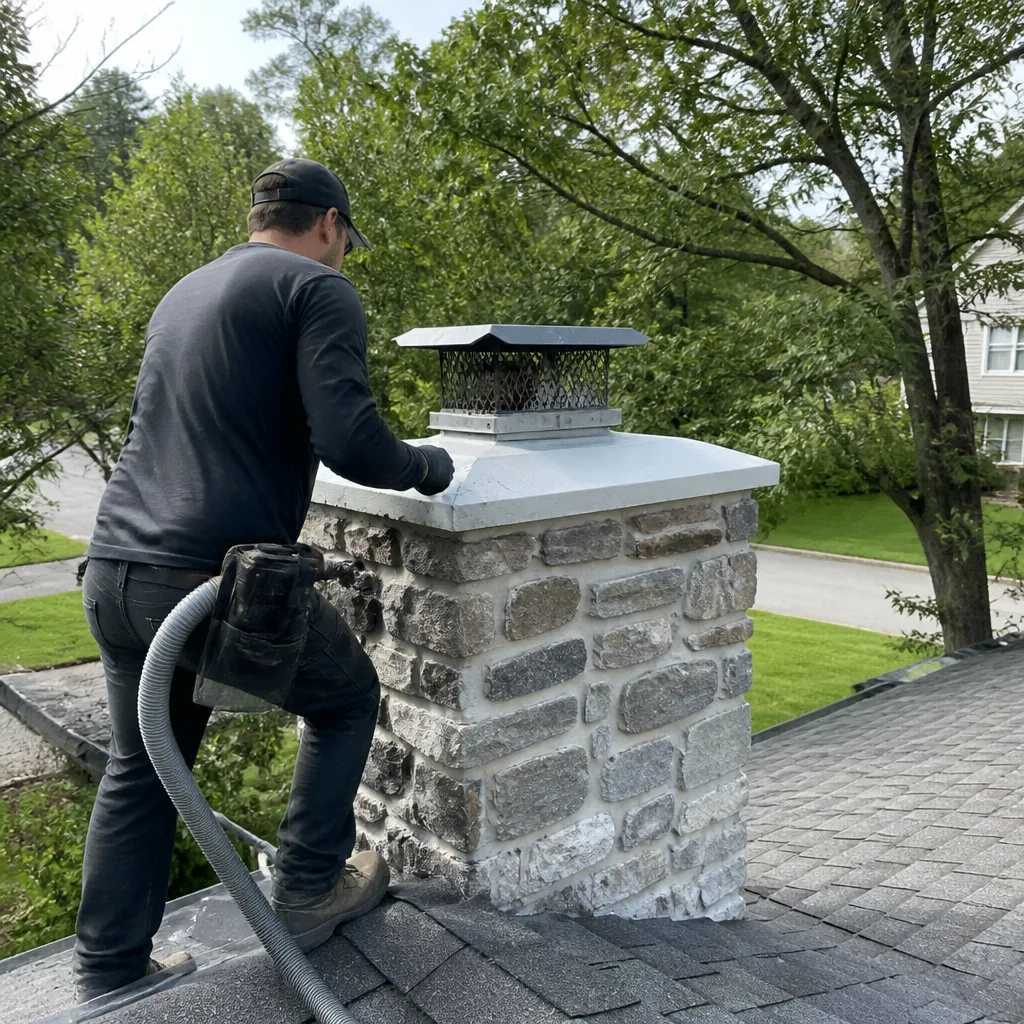 After
After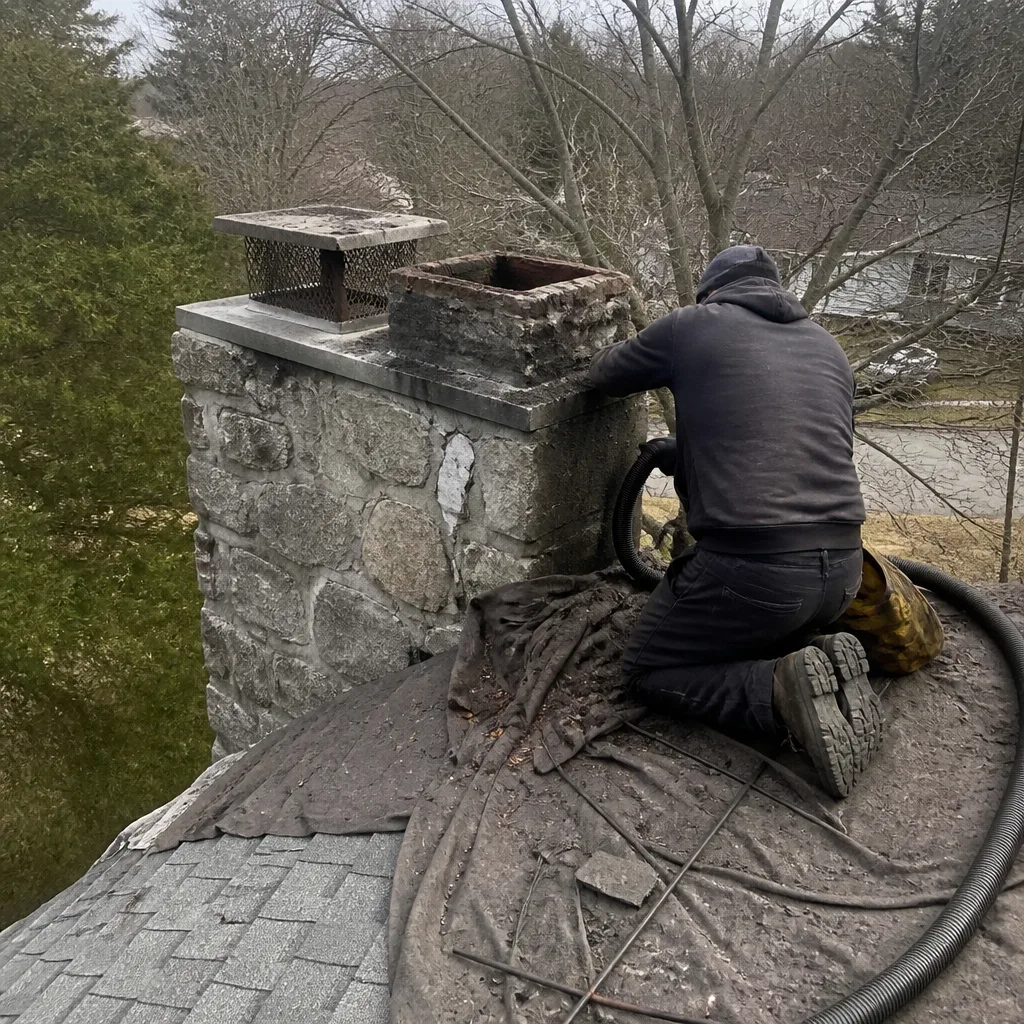 Before
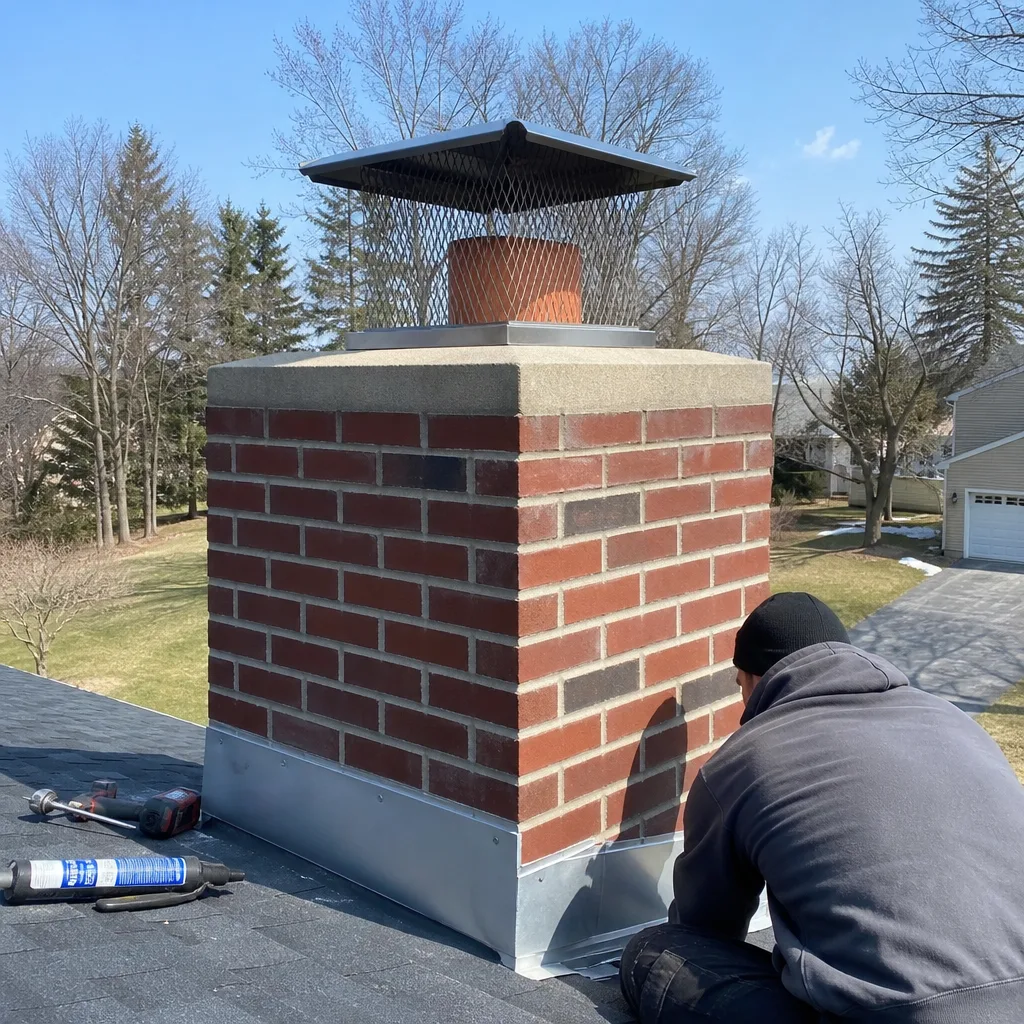 After
AfterSeasonal Chimney Cleaning Care for Chesterbrook: Year-Round Homeowner’s Guide
Chester County averages 28 freeze-thaw cycles per winter. Each one is a small hydraulic event inside your chimney crown and flashing, and the damage it causes shows up not in November but in March, after most people have stopped thinking about their chimney. In Chesterbrook, where homes in neighborhoods like Valley Forge Mountain and the Chesterbrook Woods area sit among mature hardwoods and experience wider temperature swings than Philadelphia proper, the standard advice to “get your chimney cleaned in the fall” leaves you exposed for two-thirds of the year. This guide - alongside our Chimney Cleaning & Sweep Maintenance Checklist for Chesterbrook Homeowners - assigns the right task to the right month based on what actually fails in this climate, not what sounds good on a calendar magnet.
Quick Answer
Seasonal chimney cleaning care in Chesterbrook means matching maintenance to three distinct vulnerability windows: a post-burn-season inspection in March to catch freeze-thaw damage, a summer Level 2 camera inspection in August when the flue is cool and damage is visible, and a pre-season sweep and combustion test in October before the first fire. Wood-burning systems need all three; gas inserts need the summer inspection and October combustion check but typically skip the sweep.
Table of Contents
- March: The Hidden Damage Window
- August: Why Summer Is Inspection Season
- October: Pre-Season Preparation
- Gas Insert vs. Wood-Burning: Different Schedules
- Building Your Annual Chimney Maintenance Log
- What Seasonal Care Costs in Chesterbrook
- Common Mistakes to Avoid
- When to Call a Professional
- Frequently Asked Questions
 Before
 After
AfterMarch: The Hidden Damage Window
By late February, Chesterbrook homeowners are thinking about mulch and gutter cleaning, not chimneys. That’s exactly when the damage from winter becomes visible.
Here’s what happens in a typical Chester County winter: temperatures swing from single digits to the 50s, often within 48 hours. Water enters hairline cracks in the crown during the thaw, then freezes and expands during the next cold snap. After 28 or more of these cycles, a crown that looked fine in October can be actively channeling water into the flue liner and smoke chamber. The damage is structural, not cosmetic, and it does not announce itself with smoke or odor. It announces itself with a $1,800 crown rebuild that could have been a $280 monitoring visit if caught in March.
In our experience inspecting Chesterbrook homes since 2009, the pattern is consistent. Valley Forge Mountain properties, with their elevation exposure and older masonry, show crown spalling (surface flaking) at roughly twice the rate of newer construction near the Chesterbrook Shopping Center. The difference is wind-driven rain and faster temperature drops, not age alone.
What to Do in March
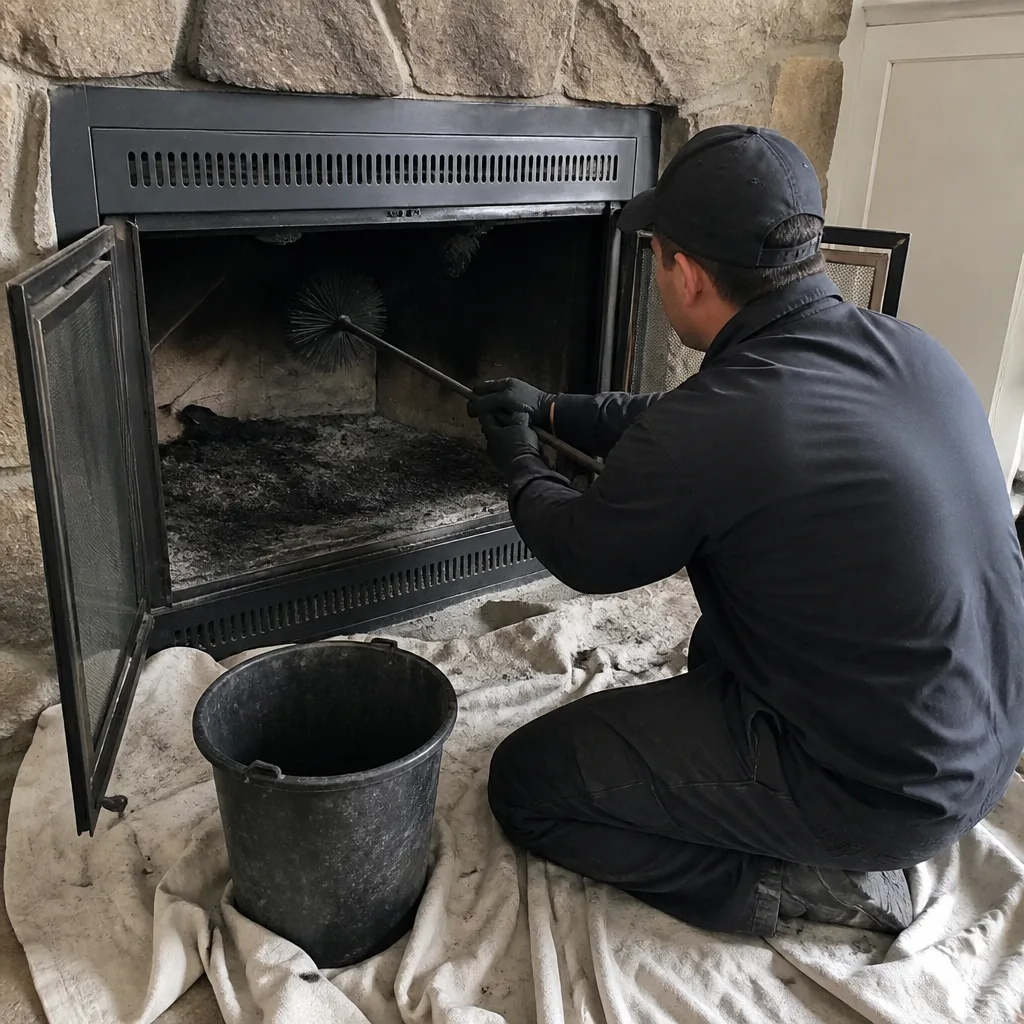
- Visual ground inspection. Walk the perimeter with binoculars. Look for missing or shifted chimney cap segments, visible cracks in the crown surface, and gaps where the flashing meets the roofline. Document with dated photos.
- Interior smoke chamber check. Shine a flashlight up the firebox. Water staining on the back wall indicates crown or flashing failure. Musty odor suggests moisture intrusion into the smoke chamber, a precursor to liner deterioration.
- Schedule a monitoring visit. If you see cracks, staining, or anything shifted, a Level Two Chimney technician can perform a camera scan of the flue liner to confirm whether water has reached the interior system. This visit includes a written condition report with photos, Clause 4 of the Haven Standard.
March visits are typically our lightest scheduling month in Chesterbrook. That means same-week availability and no rush to diagnose before the next burn season. The flue has cooled completely, so camera equipment operates optimally, and any creosote from winter burning is still present and identifiable by class - Class I (soot), Class II (granular), or Class III (glazed, requiring chemical treatment).
Key distinction: a March visit is diagnostic, not necessarily a sweep. If you burned four cords of seasoned oak and the flue shows heavy Class II buildup, we’ll recommend scheduling the sweep for August when the deposit is fully cured and easier to remove completely. Rushing a sweep in March on uncured creosote can glaze it further.
August: Why Summer Is Inspection Season
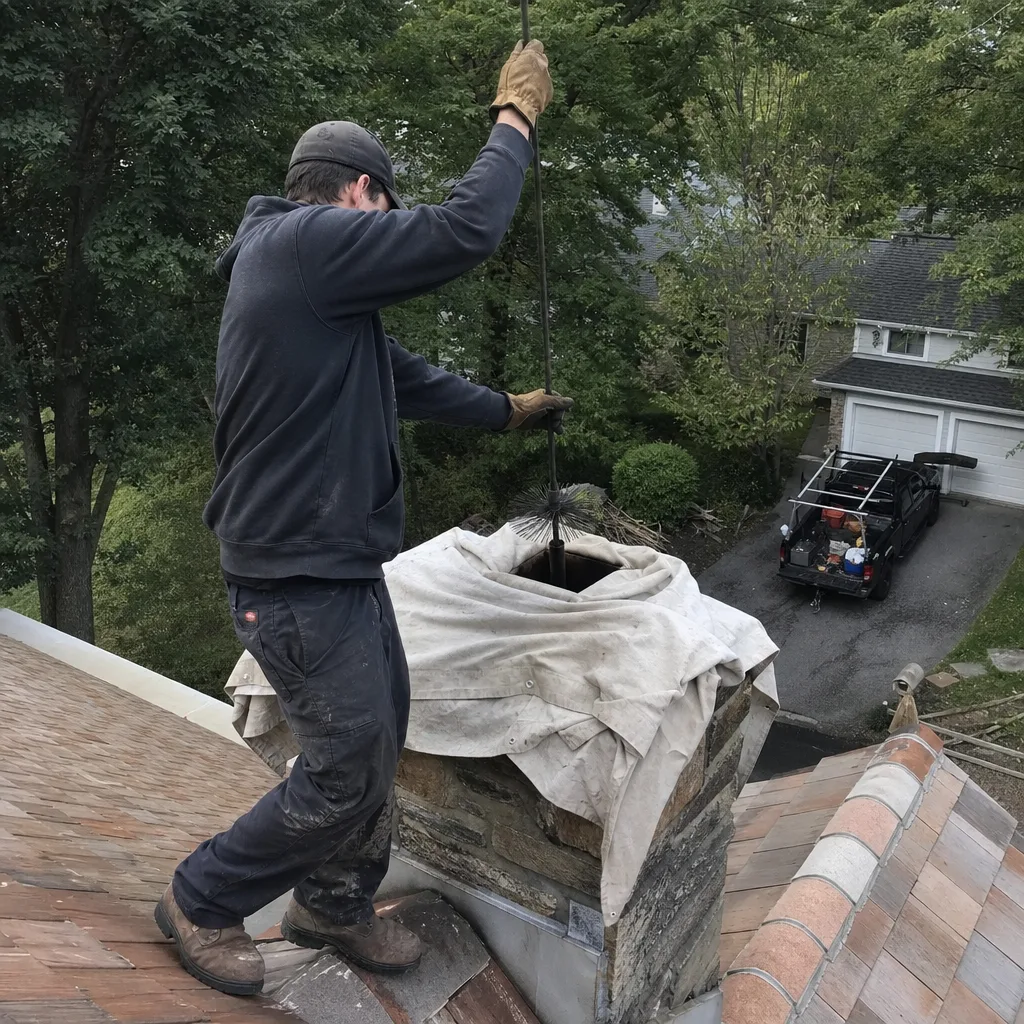
The flue is cool. The damage from six months of burning is fully exposed. Repair crews have open schedules. Materials from Gelco and Olympia Chimney, procured through our Haven buying network, are in stock without winter backorders. August is when a Level Two Chimney technician can do the most thorough, unhurried inspection of your system.
The NFPA 211 Level 2 inspection is not a flashlight look. It is a camera scan of the entire flue liner from firebox to crown, with footage and still images documented to a dated record. We introduced this as standard practice in 2009, years before insurers began requesting documentation, and it became Clause 4 of the Haven Standard. Every Chesterbrook inspection we perform includes it.
What August Inspection Reveals
- Liner condition. Clay tile liners in Chesterbrook homes built 1985-2005 show vertical cracking at a higher rate than national averages due to the area’s shift from bituminous to anthracite coal in earlier decades, then rapid adoption of gas inserts without liner resizing. The camera finds cracks, gaps, and mortar joint failure that a flashlight misses entirely.
- Creosote class and volume. By August, any creosote from the previous season has cured to its true state. Class III glazed creosote, which appears shiny and black like enamel, requires a chemical pretreatment (applied, then cured for 48-72 hours) before mechanical removal. Scheduling this in August means treatment and removal before October, not a delayed burn season.
- Crown and cap integrity post-winter. Six months after the last freeze-thaw cycle, any crown deterioration is fully manifested. Spalling depth, crack width, and water intrusion patterns are stable and measurable. We can quote a crown rebuild with HeatShield or Famco materials with confidence, not guesswork.
- Smoke chamber parging. The smoke chamber - the area above the firebox that funnels smoke into the flue - is required by code to be smooth. Corbelled brick or deteriorated parging creates turbulence and creosote accumulation. The camera sees this; a flashlight does not.
For Chesterbrook homeowners with gas inserts, August is equally critical. Gas combustion produces water vapor and acidic condensate that deteriorates liners sized for wood. A camera inspection confirms whether the existing liner is rated for gas, properly connected, and free of condensation damage. We find roughly 15% of gas installations in this market have unlined or improperly sized flues, a defect invisible without camera documentation.
Summer scheduling also means our Chimney Repair in Chesterbrook crew can complete crown work, flashing repair, or liner installation before the October rush. A crown rebuild scheduled in August is typically completed within two weeks. The same job booked in October may wait until December.
October: Pre-Season Preparation
October in Chesterbrook brings the first sustained cold snaps and the first fires. This is when most homeowners call for a sweep. If you’ve followed the March and August schedule, October is confirmation, not discovery.
The October visit serves three purposes: remove any remaining cured creosote, perform combustion testing on gas systems, and verify that summer repairs have held through the first temperature swings.
October Checklist
- Sweep and debris removal. For wood-burning systems, the sweep removes cured creosote, bird nests (common in Chesterbrook’s mature tree canopy), and any debris that entered during summer storms. The sweep includes a Level 1 inspection - visual examination of accessible components - plus the documented photo record required by Haven Standard Clause 4.
- Combustion analysis for gas inserts. We test CO levels at the appliance and in the room, measure draft pressure, and verify burner alignment. Chesterbrook’s older gas conversions, particularly in the 1980s townhome stock near Wilson Farm Park, often show draft inducer failure or improper orifice sizing that a visual check cannot catch.
- Functional test of dampers and caps. The damper must seal when closed and open fully when operated. Caps must screen spark arrestors without obstruction. In our experience, roughly 20% of October calls involve a damper that seized over summer or a cap screen clogged with leaf debris from Chesterbrook’s oak and maple canopy.
The October visit is also when we deliver the written price, written scope, and written warranty before any work begins - Haven Standard Clause 1, H.A.V.E.N. “Have it in writing.” No exceptions. If our technician finds unexpected damage, the work stops, we show you the camera footage, and you receive a revised written scope before proceeding.
One Chesterbrook-specific note: the area’s clay-heavy soil creates foundation movement that can stress chimney structures over decades. An October inspection includes assessment of visible exterior masonry for new cracking or separation from the house wall, a condition we document for comparison year over year.
Gas Insert vs. Wood-Burning: Different Schedules
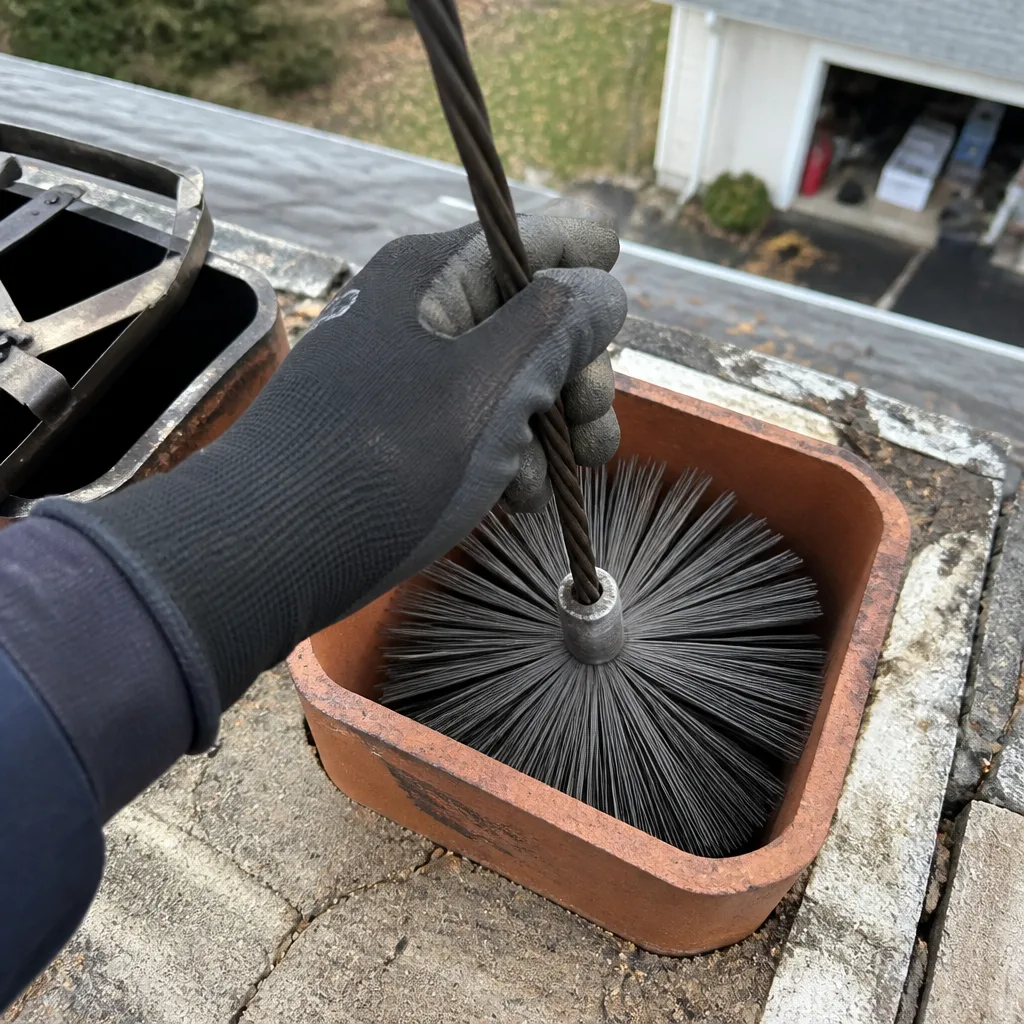
Most seasonal guides treat all fireplaces identically. They are not identical. The maintenance frequency, inspection scope, and failure modes differ substantially between gas inserts and wood-burning systems in Chesterbrook’s climate.
Wood-Burning Systems: Full Three-Window Schedule
| Month | Task | Purpose |
|---|---|---|
| March | Post-season inspection | Identify freeze-thaw damage, assess creosote class |
| August | Level 2 camera inspection + sweep if needed | Full flue documentation, cure creosote removal, schedule repairs |
| October | Pre-season sweep + functional test | Confirm system readiness, test dampers and caps |
Wood-burning systems in Chesterbrook typically burn 2-4 cords of mixed hardwood per season. At this volume, annual sweeping is necessary. Homes with exterior chimneys (common in Valley Forge Mountain and Chesterbrook Woods) experience faster creosote accumulation due to colder flue temperatures and stronger drafts.
Gas Inserts: Modified Two-Window Schedule
| Month | Task | Purpose |
|---|---|---|
| August | Level 2 camera inspection | Verify liner compatibility, check condensate damage, test draft |
| October | Combustion analysis + functional test | Confirm safe operation, CO testing, burner alignment |
Gas inserts do not produce creosote and typically do not require sweeping. They do produce acidic condensate that deteriorates liners, and they require precise combustion tuning. The August inspection is non-negotiable for gas systems installed before 2015, when liner compatibility standards were less consistently enforced in Chester County.
One hybrid case: wood-to-gas conversions without proper liner resizing. These systems combine the debris accumulation of wood with the condensate damage of gas. They require the full wood-burning schedule plus additional corrosion monitoring. We flag these explicitly in our written reports.
Building Your Annual Chimney Maintenance Log
A maintenance log is not paperwork for its own sake. In Chesterbrook’s market, where home sales average 12-18 days on market and buyers bring inspectors who camera-scan chimneys as standard practice, a documented maintenance history is a transaction asset. It is also evidence for insurance claims if chimney-related damage occurs.
What to Include
- Dated photo of the exterior. Same angle, same lighting, annually. Shows crown, cap, and flashing condition over time. Use your phone; consistency matters more than quality.
- Service receipts with scope description. Not just “chimney sweep - $275” but “Level 2 inspection, camera scan, Class II creosote removal, damper lubrication, written condition report.” The specificity protects you in disputes.
- Camera footage reference. Level Two Chimney provides a dated photo record on every visit, Clause 4 of the Haven Standard. File these by date. If a 2024 inspection shows a sound liner and a 2026 inspection shows damage, the timeline establishes whether the damage is sudden (insurance) or gradual (maintenance).
- Fuel source and volume. “3 cords oak, 1 cord maple, all seasoned 18+ months.” This explains creosote accumulation rates to any subsequent inspector.
- Weather notes. “Winter 2024: 3 ice storms, extended January freeze.” Correlates exterior damage to events.
For Chesterbrook homeowners in HOA-governed communities like those near the Chesterbrook Corporate Center, the log also satisfies any maintenance disclosure requirements at sale. We provide a summary sheet on request that formats our service history for realtor packets.
Digital or physical? Either works. The key is centralization - one folder, one cloud album, one drawer. Scattered receipts lose value; a complete record adds it.
What Seasonal Care Costs in Chesterbrook
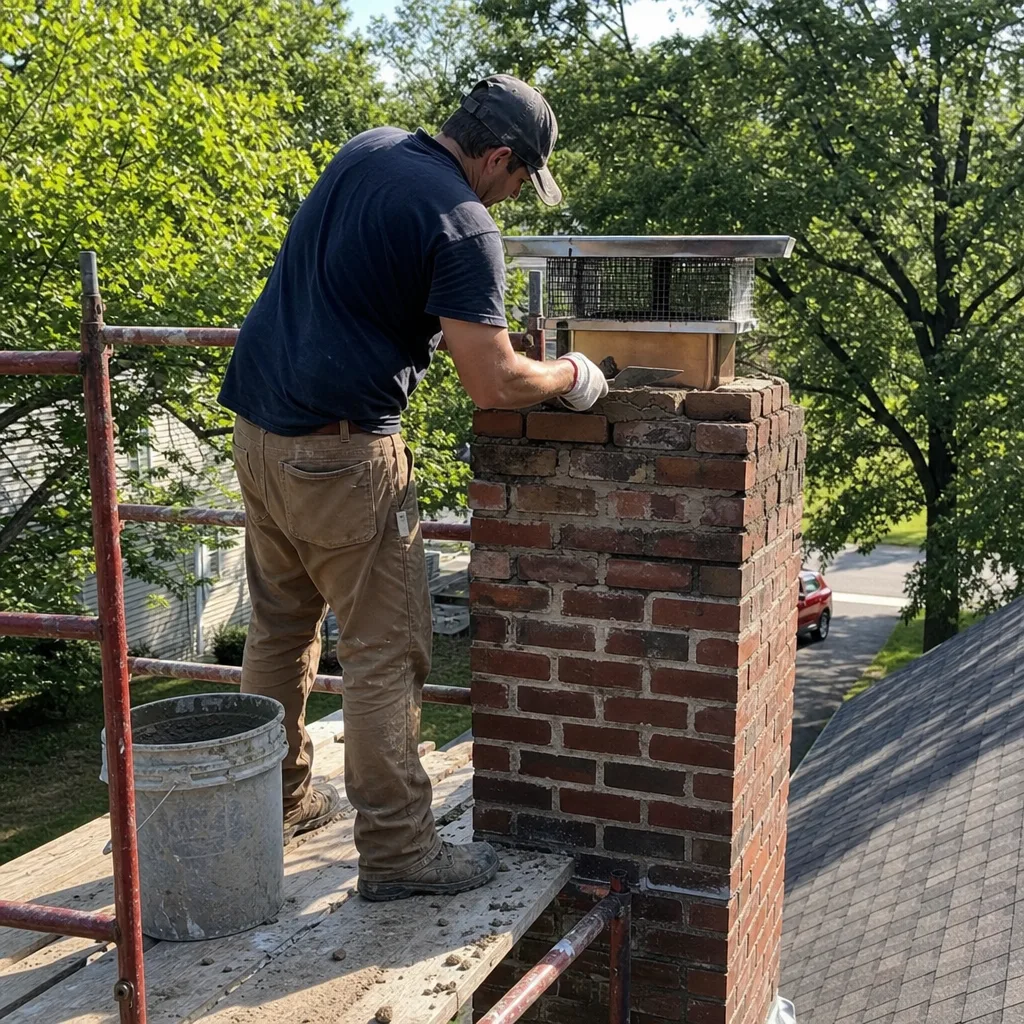
These are the price ranges - detailed further in our Chimney Cleaning Cost Breakdown: The Chesterbrook Homeowner’s Reference for 2026 - that we quote in writing before any work begins, based on Chesterbrook’s market and typical home profiles in the area. Every price includes the documented photo record required by Haven Standard Clause 4.
| Service | Typical Range | Notes |
|---|---|---|
| Level 1 sweep + inspection (October, wood-burning) | $275-$340 | Standard annual service; includes damper test and cap check |
| Level 2 camera inspection (August) | $320-$395 | Full flue scan, smoke chamber assessment, written report with photos |
| March monitoring visit + camera check | $280-$350 | Diagnostic only; sweep additional if needed |
| Class III creosote chemical treatment + removal | $450-$620 | Requires 48-72 hour cure between application and mechanical removal |
| Crown crack repair (HeatShield) | $380-$550 | Seals cracks up to 1/8 inch; larger damage requires rebuild |
| Crown rebuild (Gelco or Famco materials) | $1,400-$2,200 | Varies with chimney width and access difficulty |
| Gas insert combustion analysis | $240-$295 | CO test, draft measurement, burner inspection |
These ranges assume standard access and typical Chesterbrook construction. Elevation challenges, interior chimneys requiring scaffold, or historic masonry (pre-1950) may adjust pricing, always with a revised written scope before work proceeds.
Our Free Second Opinion on Any Written Estimate applies year-round. Bring us a competitor’s written quote for the same scope; we’ll review it against our findings and explain any differences. No charge, no obligation.
Common Mistakes to Avoid
- Waiting for October to discover March damage. By October, freeze-thaw cracks have admitted a full season of water. The repair cost has tripled, and crews are booked six weeks out. Schedule the March inspection.
- Treating gas inserts as maintenance-free. They do not need sweeping, but they absolutely need camera inspection and combustion testing. Unlined gas flues are a CO risk that kills silently.
- Burning unseasoned wood from Chesterbrook’s tree canopy. Fresh-cut oak or maple from storm damage contains 40-50% moisture. It produces Class III glazed creosote at 3-4 times the rate of properly seasoned fuel. Season wood 18 months minimum, or buy kiln-dried.
- Accepting a “free inspection” that is a flashlight look. A true Level 2 inspection requires camera equipment, documented footage, and 45-60 minutes. A 10-minute flashlight sweep is a sales pitch, not a standard.
- Ignoring the smoke chamber. Corbelled brick or deteriorated parging in the smoke chamber creates turbulence that reduces draft and accelerates creosote buildup. It is not visible from the firebox without proper equipment.
- Skipping documentation. Every service should produce photos, a written scope, and a written warranty. If your sweep leaves with cash and no paperwork, you have no recourse and no resale asset. Haven Standard Clause 1 exists specifically to prevent this.
When to Call a Professional
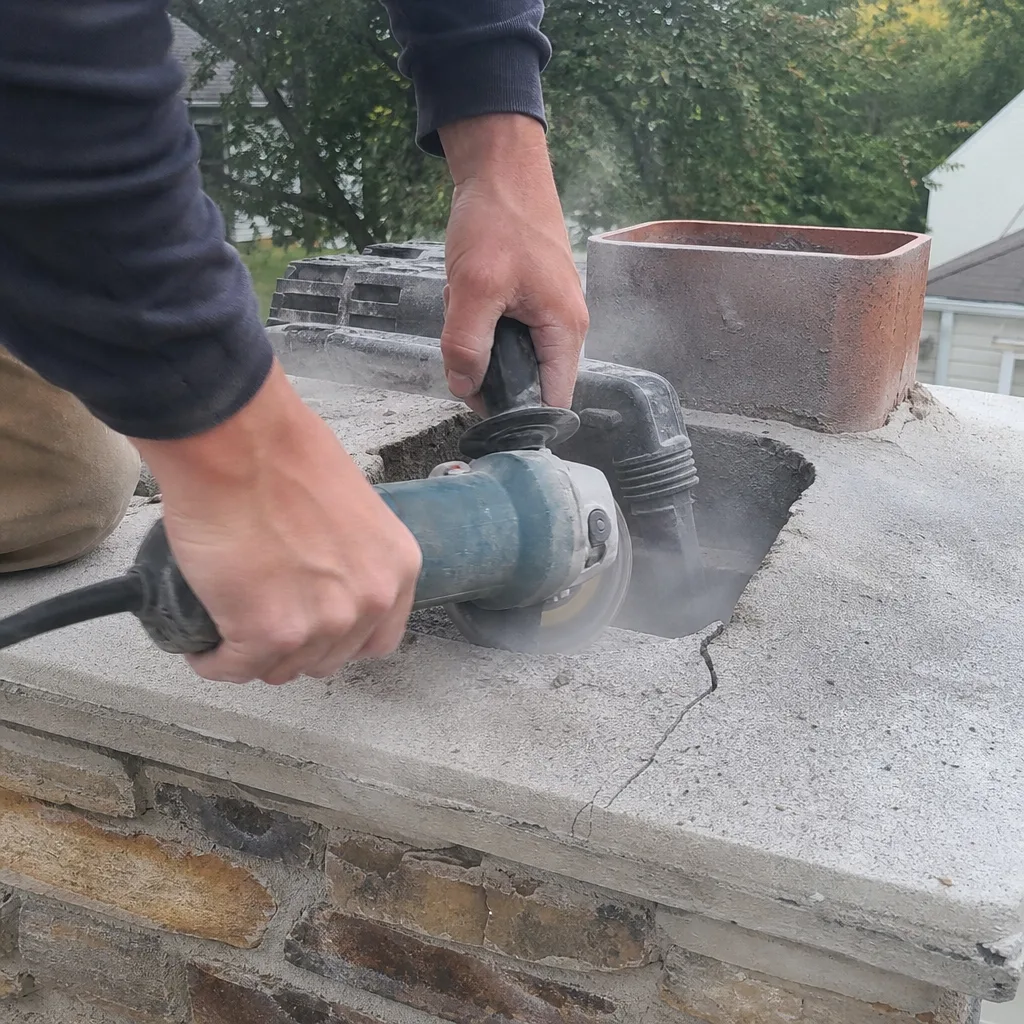
Call when you see water staining in the firebox, smell musty odor from the chimney, hear animal activity, or notice exterior masonry cracking or shifting. Call if your damper sticks, your gas insert produces soot, or your CO detector activates. Call if it has been more than 12 months since any professional inspection, regardless of fuel type.
In Chesterbrook, where many homes have exterior chimneys exposed to full weather and mature trees that shelter wildlife, the threshold for professional assessment is lower than in protected urban environments. A small crack in October is a water channel by March.
Chimney Cleaning & Sweep in Chesterbrook from Level Two Chimney includes the full Haven Standard: written price before work, background-checked uniformed technicians with license information, live phone support 24/7, and the 365-Day Done Right Promise. Fireplace Services in Chesterbrook covers gas insert testing, damper repair, and combustion analysis. Free estimates are available - call (484) 806-9176.
Frequently Asked Questions
A standard Level 1 chimney sweep and inspection in Chesterbrook typically costs $275-$340, including a documented photo record. A Level 2 camera inspection runs $320-$395. We deliver a written price before any work starts, with no exceptions. Call (484) 806-9176 for a free estimate.
You need a new liner only if camera inspection shows cracking, gaps, or deterioration that compromises containment of heat and combustion gases. We do not recommend liner replacement without footage you can see for yourself. In Chesterbrook, clay tile liners in homes built 1985-2005 show higher-than-average vertical cracking due to thermal stress from fuel transitions. A monitoring visit in March can catch this before it requires emergency replacement.
Wood-burning systems should be swept annually at minimum, or after every cord of wood burned if usage is heavy. Gas inserts typically do not require sweeping but need annual camera inspection and combustion testing. The NFPA 211 standard, which we follow, recommends inspection annually regardless of fuel type.
Skipped maintenance leads to three predictable outcomes: creosote accumulation increases chimney fire risk (Class III glazed creosote ignites at 451°F); freeze-thaw damage progresses from crown cracks to interior water damage requiring liner replacement; and gas systems develop combustion inefficiencies that elevate carbon monoxide risk. In Chesterbrook’s insurance market, documented maintenance history also affects claim resolution after chimney-related incidents.
The flue is fully cooled, so camera equipment operates optimally and creosote is cured to its true state. Repair crews have open schedules, materials are in stock without winter backorders, and any needed work is completed before burn season. Fall inspections often discover damage that cannot be repaired before the first cold snap, forcing homeowners to choose between delaying heat or accepting temporary measures.
You can perform a basic ground-level visual inspection for obvious crown, cap, and flashing damage. You cannot safely assess the flue liner, smoke chamber, or internal components without specialized camera equipment and training. The NFPA 211 Level 2 inspection requires tools and expertise that are not DIY-appropriate. For safety, we recommend professional assessment for any internal evaluation.
The Bottom Line
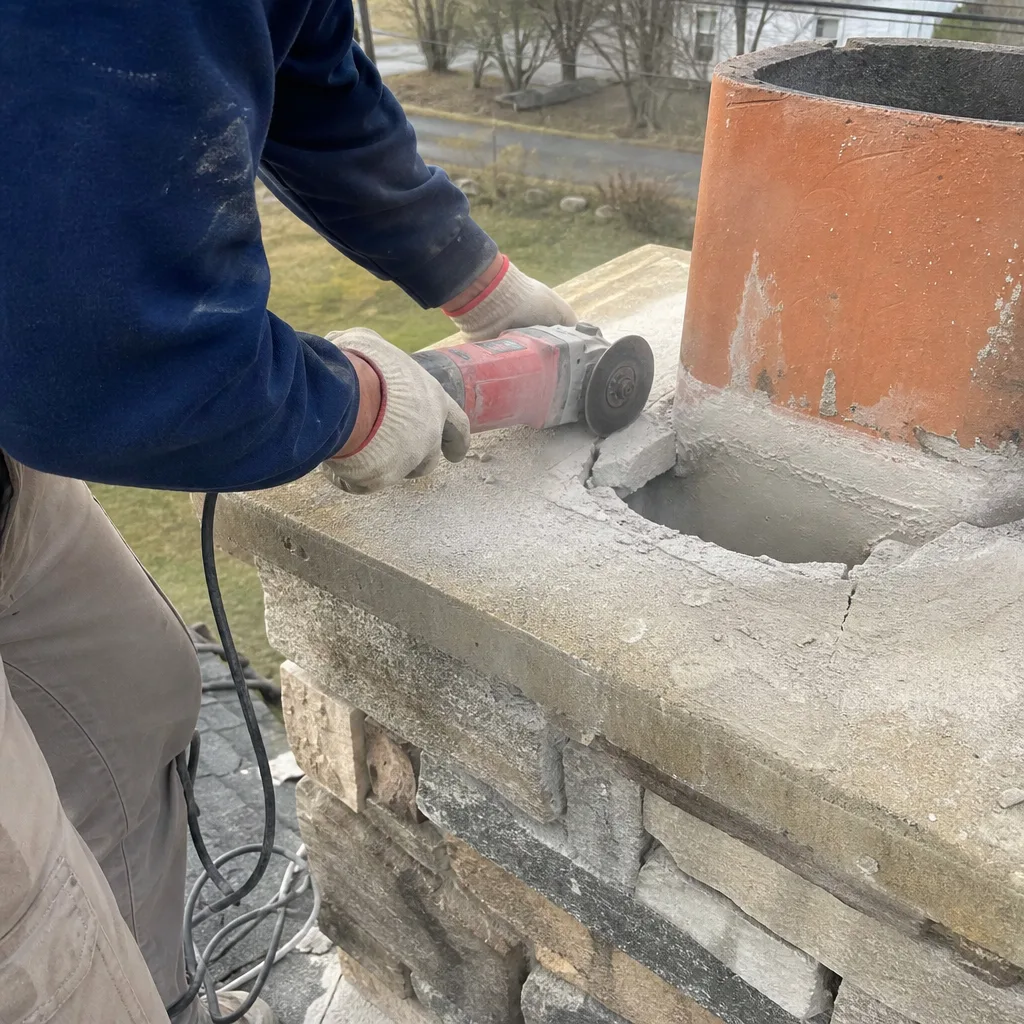
Seasonal chimney care in Chesterbrook is not a single October appointment. It is a year-round rhythm: March for post-winter damage assessment, August for thorough camera inspection and scheduled repairs, October for pre-season confirmation. Wood-burning and gas systems need different schedules. Documentation protects your investment and simplifies future transactions. The cost of proactive maintenance is always lower than the cost of delayed discovery, and in Chesterbrook’s climate with 28 annual freeze-thaw cycles, delay is expensive.
Level Two Chimney Chesterbrook has performed more than 38,000 inspections and cleanings since 2009, every one with a written price before work started and a documented record when finished, and we share additional guidance in our more guides & resources. The Haven Standard governs every interaction: Clause 1 for written pricing, Clause 4 for photo documentation, and the 365-Day Done Right Promise on every job.
Call (484) 806-9176 for a free estimate. Live phone support, 24 hours a day.
Written by Corrine Halstead, Owner at Level Two Chimney Chesterbrook, serving Chesterbrook since 2009.